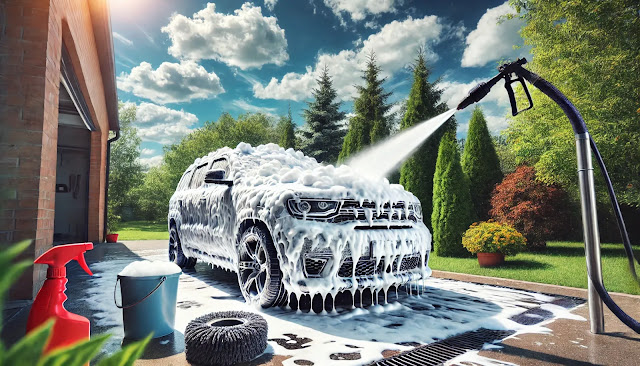
The Ultimate Guide to Car Wash Methods
In the
world of automobile maintenance, keeping your car clean is more than just a
cosmetic task—it’s a crucial part of protecting your investment and ensuring
its longevity. This ultimate guide dives deep into the most effective car wash
methods, providing detailed insights into techniques, tools, and best
practices.

Why
Regular Car Washing Matters
Keeping
your vehicle clean isn’t just about aesthetics. Regular car washes help:
- Prevent corrosion by removing harmful dirt and
road salts. - Protect the paint from scratches and
deterioration. - Maintain resale value by keeping your car looking
newer for longer.
1. Hand
Wash Method
The hand
wash method is considered by many car enthusiasts to be the most thorough way
to clean a car.
Tools Needed:
- Microfiber
wash mitts - Two buckets (one for soapy
water, one for rinsing) - pH-balanced
car wash soap
Steps:
- Rinse your car with water to
loosen dirt. - Use the two-bucket method to
prevent scratching: one bucket for soapy water and one for rinsing the
mitt. - Work from top to bottom,
cleaning in straight lines. - Rinse thoroughly and dry using
a microfiber towel.
Pro Tip: Avoid washing your car under direct
sunlight to prevent water spots.
2. Touchless
Car Wash
For a quick
and efficient cleaning, touchless car washes are ideal. This method uses
high-pressure water and detergents to clean your car without brushes or cloths,
minimizing the risk of scratches.
Pros:
- Prevents
surface damage. - Saves
time and effort.
Cons:
- May not remove stubborn dirt or
grime effectively. - Limited control over cleaning
quality.
3. Automatic
Drive-Through Wash
Automatic
car washes are a popular option for convenience. These systems use rotating
brushes, high-pressure jets, and drying systems to clean your car.
Pros:
- Quick
and affordable. - Available in most urban areas.
Cons:
- Brushes
can cause micro-scratches. - May not reach all crevices.
4. Waterless
Car Wash
Waterless
car washing is an innovative and eco-friendly way to clean your car, especially
in areas with water restrictions.
Required Materials:
- Waterless
car wash spray. - Microfiber
towels.
Steps:
- Spray the solution generously
on the car’s surface. - Use a microfiber towel to wipe
off dirt and grime. - Buff the surface with a clean
towel for a polished finish.
Pro Tip: This method works best on lightly
soiled cars.
5. Foam
Cannon Washing
Foam
cannons are a fun and effective way to wash your car while reducing the risk of
scratches
Benefits:
- Provides
even soap coverage. - Lifts dirt off the surface for
safer cleaning.
How to Use:
- Attach the foam cannon to a
pressure washer. - Spray the car with foam and let
it sit for a few minutes. - Rinse and follow up with hand
washing if needed.
6. Choosing
the Right Car Wash Soap
Not all
soaps are created equal. Using the wrong soap can damage your car’s paint or
wax coating.
Key
Features to Look For:
- pH-balanced
formulas. - Gentle on wax and paint.
- Effective against dirt and
grime.
Top Recommendations:
- Opt for specialized car wash
shampoos rather than household cleaners like dish soap.
7. Benefits
of Waxing After Washing
Waxing is
an essential step to protect your car after washing.
Benefits:
- Adds a protective layer to the
paint. - Enhances
shine and gloss. - Repels
water and dirt.
How to Wax:
- Apply a small amount of car wax
to a foam applicator pad. - Work in small sections, using
circular motions. - Buff off the residue with a
microfiber cloth.
8. Car
Wash Mistakes to Avoid
Even with
the best intentions, common mistakes can harm your car.
Avoid:
- Using abrasive sponges or
brushes. - Washing with dirty water or old
towels. - Skipping the drying process,
which can lead to water spots. - Using household cleaners not
designed for cars.
9. Eco-Friendly
Car Washing Tips
Car washing
can be water-intensive, but there are ways to minimize environmental impact.
Tips:
- Use
biodegradable soaps. - Wash your car on grass or
gravel to prevent runoff. - Invest in water-efficient
tools, such as a foam gun.
10. How
Often Should You Wash Your Car?
The
frequency of car washing depends on factors like weather, usage, and storage.
General Guidelines:
- Wash your car every two weeks
under normal conditions. - Wash more frequently during
winter or rainy seasons to remove salt and mud.
Internal
Linking Strategy
To ensure
your readers stay engaged and explore related topics, incorporate internal
links to these subtopics:
- How to Use a Foam Cannon for
Car Washing:
Dive deeper into foam cannon techniques. - The Benefits of Touchless Car
Washes: Learn
why touchless systems are a safe option. - Top Waxing Products for Car
Enthusiasts:
Find the best products for a long-lasting shine.
Final
Thoughts
Choosing
the right car wash method is crucial for maintaining your vehicle’s appearance
and value. From traditional hand washing to innovative waterless techniques,
there’s a method for every preference and situation. By following this guide,
you’ll not only achieve a spotless finish but also extend the life of your
car’s paint and bodywork.
For more
tips and detailed guides, check out our related articles!
Leave a Reply