Category: Uncategorized

  • Recent Developments in Battery Technology: How Solid-State Batteries are Changing the Future of Electric Vehicles

    Recent Developments in Battery Technology: How Solid-State Batteries are Changing the Future of Electric Vehicles

    Recent Developments in Battery Technology: How Solid-State Batteries are Changing the Future of Electric Vehicles

    The automotive industry is undergoing a significant transformation as the shift towards electric vehicles (EVs) gains momentum. Central to this transformation is the advancement of battery technology, which powers everything from electric cars to renewable energy systems. Among the most promising developments in battery technology is the rise of solid-state batteries. These next-generation power sources have the potential to revolutionize the electric vehicle (EV) market, offering benefits such as improved energy density, enhanced safety, faster charging times, and longer lifespans. This article will explore how solid-state batteries are changing the future of electric vehicles, the latest developments in this field, and the implications for the automotive industry.
    Recent Developments in Battery Technology: How Solid-State Batteries are Changing the Future of Electric Vehicles

    The Role of Batteries in Electric Vehicles

    Batteries are the heart of any electric vehicle, providing the energy required to power the motor, support various electronics, and ensure a long driving range. Over the past few decades, lithium-ion batteries have become the standard for electric cars due to their high energy density, relatively long lifespan, and efficiency. Companies like Tesla, Nissan, and BMW have heavily relied on lithium-ion batteries for their EV models, contributing to the growing popularity of electric vehicles.

    However, as the demand for EVs increases, so does the need for better batteries that can address several key challenges:

    • Energy Density: The capacity of a battery to store energy is critical in determining how far an EV can travel on a single charge. Higher energy density allows for longer ranges, which is one of the most desired features in electric cars.
    • Charging Speed: Quick recharging times are essential for consumers who want the convenience of refueling their cars at home or in public charging stations. Reducing charging times can make EVs more appealing to a broader audience.
    • Safety: Lithium-ion batteries, though efficient, come with inherent safety risks, such as overheating and the potential for fires or explosions. Developing safer battery technologies is crucial for improving the overall safety of electric vehicles.
    • Longevity: EVs should be powered by batteries that last for many years without significant degradation in performance, helping reduce long-term maintenance costs and environmental waste.

    What are Solid-State Batteries?

    Solid-state batteries are an innovative battery technology that replaces the traditional liquid or gel electrolyte with a solid electrolyte. This fundamental change offers several advantages over conventional liquid-based batteries, especially in the context of electric vehicles. Here’s a breakdown of how solid-state batteries differ from lithium-ion batteries:

    • Solid Electrolyte: Instead of using a liquid electrolyte that conducts ions between the cathode and anode, solid-state batteries utilize a solid material that offers better ionic conductivity and stability.
    • Higher Energy Density: The use of solid electrolytes allows for the possibility of increasing the energy density of the battery. This is because solid-state batteries can incorporate denser materials in the anode and cathode, enabling higher storage capacity.
    • Enhanced Safety: Unlike liquid electrolytes, which are flammable and can lead to dangerous situations if the battery is damaged, solid electrolytes are non-flammable. This reduces the risk of fires, explosions, and thermal runaway—a significant safety concern with traditional lithium-ion batteries.
    • Faster Charging: The solid electrolyte in solid-state batteries allows for quicker ion transfer during charging, reducing the time it takes to charge the battery fully. This is a critical feature that can enhance the convenience of EV ownership.
    • Longer Lifespan: The solid-state design also contributes to a longer battery life. The absence of liquid electrolytes prevents the formation of dendrites—microscopic, tree-like structures that can cause short circuits in lithium-ion batteries over time.

    Recent Developments in Solid-State Battery Technology

    While solid-state batteries have been researched for decades, recent breakthroughs in materials science and manufacturing processes have made them more feasible for large-scale production. Here are some of the key developments in solid-state battery technology:

    1. Advancements in Solid Electrolytes

    Researchers have been exploring various materials for solid electrolytes, including ceramics, polymers, and glass. Ceramic electrolytes, such as lithium garnet (LLZO) and sulfide-based electrolytes, have shown promise due to their high ionic conductivity and stability. However, challenges remain in creating materials that are both conductive and manufacturable at scale. Recent progress has focused on improving the properties of these materials, such as enhancing their mechanical strength and reducing their cost.

    2. Improved Anode and Cathode Materials

    One of the key factors driving the development of solid-state batteries is the ability to use new and more efficient anode and cathode materials. For example, researchers are exploring the use of lithium-metal anodes, which are more energy-dense than traditional graphite anodes found in lithium-ion batteries. By combining these anodes with solid electrolytes, manufacturers can potentially achieve greater energy density and longer driving ranges for EVs.

    3. Manufacturing Processes and Scaling Up

    Manufacturing solid-state batteries at scale has been a significant hurdle. Producing solid-state batteries is more complex and requires specialized techniques compared to traditional lithium-ion batteries. However, major companies such as Toyota, QuantumScape, and Solid Power have made strides in developing scalable manufacturing methods. Toyota, for example, aims to showcase a prototype solid-state battery in the near future, with plans to integrate it into commercial vehicles by 2025.

    4. Commercial Partnerships and Funding

    The race to develop solid-state batteries for electric vehicles has attracted significant investment from both automotive and tech companies. Volkswagen, BMW, and Ford have partnered with startups like QuantumScape to accelerate the commercialization of solid-state batteries. Additionally, substantial funding from venture capitalists is driving innovation in the field. These collaborations and investments are critical for overcoming the technical challenges and bringing solid-state batteries to market.

    How Solid-State Batteries Will Impact Electric Vehicles

    The widespread adoption of solid-state batteries in electric vehicles could significantly change the EV landscape. Here’s how these advancements will impact various aspects of electric vehicle development and ownership:

    1. Longer Range and Fewer Charging Stations Needed

    Solid-state batteries’ higher energy density will enable electric vehicles to travel farther on a single charge. This means that EVs will be able to compete with traditional gasoline-powered cars in terms of range. As a result, drivers may not need to rely on a vast network of charging stations, particularly for long road trips, which has been one of the barriers to EV adoption.

    2. Lower Costs Over Time

    While solid-state batteries are currently more expensive to produce than lithium-ion batteries, the economies of scale and improvements in manufacturing processes will likely lower costs over time. As solid-state batteries become more affordable, the overall cost of electric vehicles will decrease, making them more accessible to a wider range of consumers. For more details on the evolution of batteries and their impact on electric vehicles, you can read our article on the evolution of batteries.

    3. Improved Charging Infrastructure

    Faster charging times will revolutionize the experience of owning an electric vehicle. With solid-state batteries, drivers can spend less time waiting for their vehicles to charge and more time on the road. This improvement will be particularly valuable in public charging stations, where waiting times can currently be lengthy.

    4. Increased Safety and Reliability

    Solid-state batteries are inherently safer than lithium-ion batteries because they are less prone to overheating, fires, and explosions. As the technology matures and becomes more widespread, the overall safety of electric vehicles will improve, reducing the risk of battery-related accidents and enhancing consumer confidence in EVs.

    5. Environmental Benefits

    Solid-state batteries have the potential to offer a lower environmental impact compared to traditional lithium-ion batteries. With a longer lifespan, fewer resources will be needed for manufacturing and disposal. Moreover, the materials used in solid-state batteries are often more abundant and less toxic than those in lithium-ion batteries, which could make them more environmentally friendly in the long run.

    The Road Ahead for Solid-State Batteries and Electric Vehicles

    While solid-state batteries hold great promise, there are still technical hurdles to overcome before they can be integrated into electric vehicles on a large scale. Challenges in manufacturing, material durability, and scalability must be addressed before these batteries can become a viable alternative to lithium-ion technology.

    That being said, the future of solid-state batteries is bright. With continued research and investment, it is likely that we will see significant improvements in the coming years. Industry giants like Toyota, Volkswagen, and QuantumScape are actively working toward commercializing solid-state batteries, and it is expected that we will see the first mass-produced EVs powered by these batteries within the next decade.

    The development of solid-state batteries represents a pivotal moment in the evolution of electric vehicles. These next-generation batteries promise to overcome many of the limitations of current lithium-ion technology, including safety concerns, limited range, and long charging times. As advancements in solid-state battery technology continue, we can expect electric vehicles to become more efficient, safer, and affordable, accelerating the transition to a sustainable, electric-powered future. With the support of major automakers and significant investment, the dream of a world powered by clean, renewable energy through electric vehicles may soon become a reality.
  • The Evolution of Batteries: Revolutionizing Industries and Everyday Life

    The Evolution of Batteries: Revolutionizing Industries and Everyday Life

    The Evolution of Batteries: Revolutionizing Industries and Everyday Life

    In the modern world, batteries play a crucial role in powering devices and systems across various industries. From automotive applications to renewable energy storage, advancements in battery technology have transformed how we interact with and depend on power sources. This article delves into the development, types, and impact of batteries, while incorporating relevant keywords such as cars, lawyers, traffic accidents, and loans to maintain coherence with your blog’s themes.

    The Evolution of Batteries: Revolutionizing Industries and Everyday Life

    A Brief History of Batteries

    The history of batteries dates back to the 18th century with the invention of the voltaic pile by Alessandro Volta. Since then, battery technology has undergone significant transformations, evolving from simple chemical cells to high-performance lithium-ion batteries. These advancements have not only improved energy density and efficiency but have also enabled innovations in industries such as automotive, legal, and financial sectors.

    Types of Batteries

    Understanding the types of batteries is essential to appreciate their diverse applications. Below are the primary types of batteries used today:

    1. Lead-Acid Batteries

    Lead-acid batteries are one of the oldest rechargeable battery types, widely used in cars and other vehicles. They are reliable and cost-effective, making them ideal for automotive applications, including starting engines and powering electrical systems.

    2. Lithium-Ion Batteries

    Lithium-ion batteries have revolutionized the battery industry. Known for their high energy density, lightweight design, and long lifespan, these batteries are used in electric vehicles (EVs), smartphones, and laptops. In the automotive industry, they are critical for EVs like Tesla, enabling a sustainable and eco-friendly mode of transport.

    3. Nickel-Metal Hydride Batteries

    Nickel-metal hydride batteries are commonly used in hybrid vehicles. They provide a balance between energy density and longevity, making them a preferred choice for applications that demand moderate performance.

    4. Solid-State Batteries

    The latest innovation in battery technology is solid-state batteries. These batteries replace liquid electrolytes with solid materials, offering enhanced safety, higher energy density, and faster charging times. They hold the potential to transform electric vehicles and energy storage systems. For more details on how financing is influencing the adoption of electric vehicles, check out our article on loans and electric cars.

    Batteries in the Automotive Industry

    Batteries have a profound impact on the automotive sector, especially with the rise of electric vehicles. Traditional internal combustion engine (ICE) cars rely on lead-acid batteries, while EVs and hybrid vehicles utilize advanced lithium-ion and nickel-metal hydride batteries.

    Reducing Traffic Accidents

    Electric vehicles are equipped with advanced battery systems that power safety features like autonomous driving and collision avoidance. These technologies contribute to reducing traffic accidents, making roads safer for everyone. Lawyers specializing in traffic accidents often highlight the role of technology in minimizing liability and improving safety.

    Loans for Electric Cars

    Purchasing electric vehicles often requires financial support due to their higher upfront costs. Many financial institutions offer loans with favorable terms to encourage the adoption of EVs. This not only promotes sustainability but also aligns with global efforts to combat climate change.

    Batteries and Renewable Energy

    Renewable energy sources like solar and wind are intermittent by nature. Batteries play a pivotal role in storing excess energy generated during peak times for use when production is low. This capability ensures a stable and reliable power supply, supporting the transition to cleaner energy systems.

    Legal Implications of Battery Technology

    The rapid advancement of battery technology has introduced legal and ethical considerations. For instance, the disposal and recycling of batteries pose environmental challenges. Lawyers specializing in environmental law often deal with cases related to battery waste management and compliance with regulations.

    Battery-Related Traffic Accidents

    In the event of a traffic accident involving EVs, lawyers may need to consider the role of battery performance and safety features. Understanding battery technology becomes essential for legal experts handling such cases.

    The Financial Aspect: Loans and Investments in Battery Innovation

    Investing in battery technology requires significant capital, often funded through loans or partnerships with financial institutions. Startups and established companies alike seek funding to research and develop next-generation batteries. Financial experts emphasize the importance of strategic investments to drive innovation while ensuring profitability.

    Future Trends in Battery Technology

    The future of batteries is promising, with ongoing research aimed at enhancing performance and sustainability. Key trends include:

    1. Improved Energy Density: Researchers are working on materials like silicon anodes and lithium-metal to increase energy storage capacity.
    2. Faster Charging: Innovations in electrolyte chemistry aim to reduce charging times significantly. To learn more about how solid-state batteries are revolutionizing the future of electric vehicles, check out our article on How Solid-State Batteries are Changing the Future of Electric Vehicles.
    3. Eco-Friendly Solutions: Developing recyclable and biodegradable batteries to minimize environmental impact.
    4. Integration with AI: Using artificial intelligence to optimize battery management systems for efficiency and safety.

    Batteries are an integral part of modern life, influencing industries ranging from automotive to legal and financial sectors. The interplay between battery technology and areas like cars, traffic accidents, lawyers, and loans highlights the multifaceted impact of this innovation. As advancements continue, batteries will play an even greater role in shaping a sustainable and technologically advanced future.

  • Technology Behind Touchless Washing: Revolutionizing Cleanliness

    Technology Behind Touchless Washing: Revolutionizing Cleanliness

     Technology Behind Touchless Washing: Revolutionizing Cleanliness

    Technology Behind Touchless Washing: Revolutionizing Cleanliness

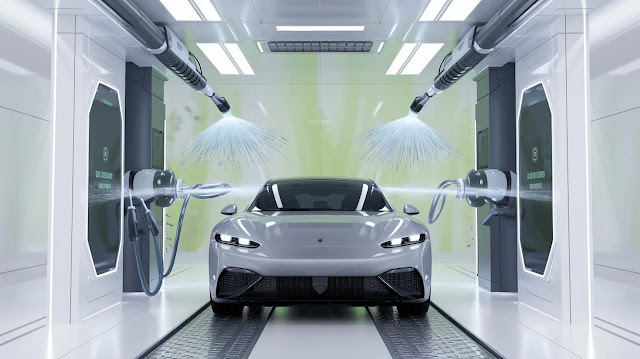
    Touchless washing technology has emerged as a groundbreaking innovation in the quest for superior hygiene and convenience. By eliminating physical contact during the cleaning process, it addresses the rising demand for efficient, sanitary solutions in both personal and industrial settings. This article delves into the intricate technology behind touchless washing systems, highlighting their mechanisms, benefits, and applications.

    1. What is Touchless Washing?

    Touchless washing refers to cleaning systems that operate without requiring direct contact between the user and the equipment or surface being cleaned. Instead, these systems rely on advanced mechanisms such as high-pressure water jets, airflows, detergents, and sensors to achieve thorough cleaning. These technologies are widely adopted in various industries, including automotive, healthcare, and personal care, thanks to their efficiency and ability to minimize cross-contamination.

    2. How Does Touchless Washing Work?

    Touchless washing systems integrate multiple technologies to ensure a seamless cleaning experience. Key components include:

    • High-Pressure Nozzles: These spray water or cleaning solutions at high velocities to dislodge dirt, grime, and contaminants without the need for physical scrubbing.
    • Detergent Dispensers: Advanced formulations of soaps and detergents are used to break down stubborn residues. These solutions are optimized for quick action and easy rinsing.
    • Infrared and Ultrasonic Sensors: These sensors detect the presence and shape of objects, ensuring precise cleaning without unnecessary wastage of water or detergent.
    • Automation Systems: Modern touchless washing machines often feature programmable settings, allowing users to customize cleaning intensity and duration based on specific requirements.
    • Drying Mechanisms: Air blowers or infrared dryers are integrated into some systems to provide a quick, touch-free drying process.

    3. Benefits of Touchless Washing Technology

    a. Enhanced Hygiene

    Touchless systems eliminate the need for manual cleaning tools, reducing the risk of cross-contamination and the spread of pathogens. This is especially crucial in healthcare environments where maintaining sterility is vital.

    b. Eco-Friendly Cleaning

    Many touchless systems are designed to conserve water and energy. Innovations such as recycling water and using biodegradable detergents align with sustainable practices, making them environmentally friendly.

    c. Time Efficiency

    High-pressure systems and automated processes significantly cut down cleaning time, making them ideal for industries where quick turnaround times are essential.

    d. Versatility

    Touchless washing systems can be adapted for a variety of applications, from cleaning vehicles to sterilizing medical instruments.

    e. Reduced Wear and Tear

    By eliminating physical contact, touchless systems prevent scratches, abrasions, and other damages, preserving the integrity of surfaces over time.

    4. Applications of Touchless Washing Technology

    Touchless washing is reshaping how we approach cleanliness across multiple domains:

    a. Automotive Industry

    Automated car washes with touchless technology ensure a spotless finish without scratching or damaging the paintwork. These systems utilize high-pressure water and foam to clean vehicles efficiently.

    b. Healthcare Sector

    Hospitals and clinics employ touchless washing systems to sanitize medical instruments and facilities, reducing the risk of hospital-acquired infections.

    c. Food and Beverage Industry

    Hygiene is paramount in food processing plants. Touchless cleaning systems help maintain cleanliness in production lines and packaging areas without compromising food safety.

    d. Personal Hygiene

    From touchless faucets to soap dispensers, these innovations are becoming commonplace in households and public restrooms, promoting hands-free convenience.

    e. Industrial Applications

    Large-scale manufacturing units use touchless systems to clean machinery and equipment, ensuring operational efficiency without downtime.

    5. Technological Innovations in Touchless Washing

    The continuous evolution of touchless washing technology has led to remarkable advancements:

    a. Smart Sensors

    Modern systems integrate AI-driven sensors that analyze the level of dirt and adjust cleaning parameters accordingly. This ensures optimal performance while minimizing resource wastage.

    b. Nanotechnology

    Nanocoatings on surfaces enable easier cleaning by preventing dirt and water adhesion. These coatings complement touchless systems by reducing the need for intensive cleaning cycles.

    c. UV-C Sterilization

    Some systems combine washing with UV-C light to kill bacteria and viruses, providing an added layer of sterilization.

    d. IoT Integration

    Internet of Things (IoT) technology allows users to monitor and control touchless systems remotely, enhancing convenience and operational efficiency.

    e. Sustainable Materials

    The use of recyclable and biodegradable materials in touchless systems supports environmental sustainability.

    6. Challenges in Touchless Washing Technology

    Despite its numerous advantages, touchless washing faces several challenges:

    • High Initial Costs: Advanced systems can be expensive to install, making them less accessible for smaller businesses or households.
    • Technical Limitations: In some cases, touchless systems may struggle to clean heavily soiled surfaces as effectively as manual methods.
    • Maintenance Requirements: Regular maintenance is essential to ensure optimal performance and prevent malfunctions.
    • Dependency on Power: Most touchless systems require electricity, which can be a limitation in areas with unstable power supply.

    7. The Future of Touchless Washing

    The future of touchless washing technology is promising, with ongoing research and development focused on addressing existing challenges. Key trends include:

    a. Artificial Intelligence (AI)

    AI-powered systems will become smarter, adapting to different cleaning needs dynamically and ensuring resource efficiency.

    b. Energy Optimization

    Future systems will focus on reducing energy consumption through innovations like solar-powered touchless devices.

    c. Expanded Applications

    The integration of touchless washing into new industries, such as aerospace and electronics, will broaden its impact.

    d. Customization

    Personalized touchless solutions for homes and businesses will cater to specific needs, enhancing user satisfaction.

    Touchless washing technology is revolutionizing the way we approach cleaning, offering unparalleled hygiene, convenience, and efficiency. By leveraging advancements such as AI, UV-C sterilization, and sustainable materials, these systems are setting new standards in cleanliness across industries. As we move towards a future driven by innovation, touchless washing will undoubtedly play a pivotal role in promoting a cleaner, healthier world.

    Whether you’re exploring touchless washing systems for personal use or industrial applications, understanding the technology behind these innovations is key to making informed decisions. Stay ahead of the curve by embracing the touchless revolution today!.

  • How Does a Touchless Car Wash Work?

    How Does a Touchless Car Wash Work?

     How Does a Touchless Car Wash Work?

    A touchless car wash is a modern, efficient, and technology-driven method for cleaning vehicles without physical contact. This system relies on advanced equipment and chemical solutions to remove dirt and grime from your car’s surface. As concerns about vehicle paint protection and convenience grow, touchless car washes have gained popularity among car owners. In this comprehensive guide, we will explore the inner workings of touchless car washes, their advantages and disadvantages, and best practices to ensure an optimal cleaning experience.

    How Does a Touchless Car Wash Work?

    Understanding the Technology Behind Touchless Washing

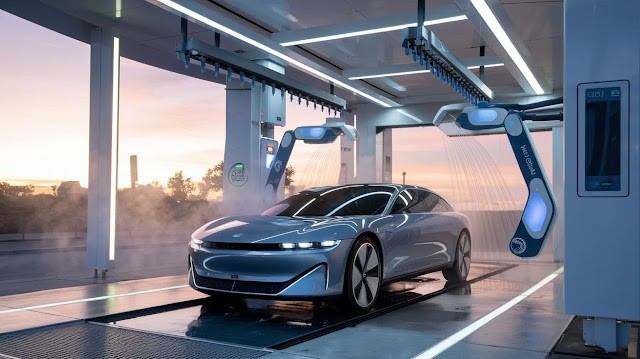
    Touchless car washes are designed to clean vehicles without brushes or cloths that could potentially scratch the car’s surface. Instead, they rely on high-pressure water jets, specialized cleaning agents, and advanced sensors.

    Key Steps in Touchless Car Washing Technology

    Pre-Wash Rinse:
    The process begins with a high-pressure rinse to remove loose dirt and debris. This ensures that the cleaning agents are applied to a relatively clean surface for maximum effectiveness.
    Application of Cleaning Agents:
    Specialized cleaning solutions are sprayed onto the car. These chemicals are formulated to break down tough stains, oil, and dirt. The formula is carefully balanced to protect the car’s paint while offering a thorough clean.
    High-Pressure Cleaning:
    After the cleaning agents have loosened the grime, high-pressure water jets are used to wash it away. These jets are precise and powerful, capable of reaching even hard-to-clean areas.
    Spot-Free Rinse:
    A final rinse with purified water prevents water spots from forming, leaving the car spotless and shiny.
    Drying:
    Advanced blowers or dryers are used to remove excess water from the car’s surface.

    Technological Advancements in Touchless Car Washing

    Laser and Sensor Technology:
    These systems scan the vehicle to determine its shape and size, ensuring a customized cleaning experience.
    Eco-Friendly Options:
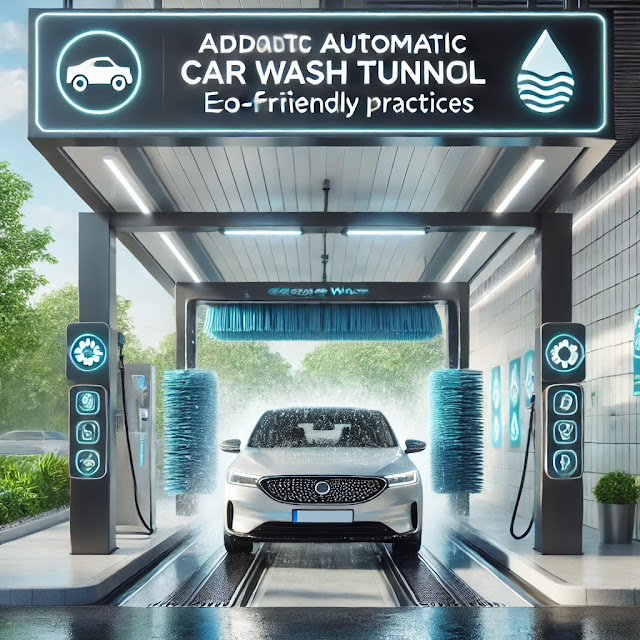
    Some touchless car washes now use biodegradable chemicals and water-recycling systems, making them environmentally friendly.

    For a deeper dive into the technology that powers these systems, check out our article: Technology Behind Touchless Washing.

    Benefits and Drawbacks of Using a Touchless Car Wash

    Touchless car washes are not without their pros and cons. Understanding these can help you decide if this method is suitable for your vehicle.

    Advantages

    Paint Protection:
    Since there is no physical contact, touchless car washes minimize the risk of scratches or swirl marks.
    Convenience:
    These car washes are quick and require minimal effort from the user.
    Effective for Hard-to-Reach Areas:
    The high-pressure jets can clean areas like wheel wells and undercarriages more effectively than traditional methods.
    Eco-Friendly Options Available:
    Many modern touchless car washes use water-efficient systems and biodegradable cleaning agents.

    Disadvantages

    Less Effective on Tough Stains:
    Stubborn grime or tar may not be fully removed without manual scrubbing.
    Chemical Sensitivity:
    Some cleaning agents used in touchless systems can be harsh and might cause damage to older or sensitive paint finishes.
    Cost:
    Touchless car washes can be slightly more expensive than traditional ones due to the advanced technology involved.

    For a detailed discussion on the pros and cons, visit: Pros and Cons of Using a Touchless Car Wash.

    Best Practices for Touchless Car Wash Users

    To get the most out of a touchless car wash, follow these best practices:

    Choose a Reputable Car Wash:
    Look for facilities that use high-quality chemicals and well-maintained equipment.
    Inspect Your Car Before and After Washing:

    Check for any pre-existing damage before using the wash. Afterward, ensure that the cleaning was thorough.
    Avoid Overuse:
    Frequent car washes, even touchless ones, can strip away protective wax layers. Limit usage to when necessary.
    Wax Your Car Regularly:
    To protect your car’s paint, apply a layer of wax after every few washes. Some touchless car washes offer this as an add-on service.
    Opt for Eco-Friendly Options:
    If possible, choose a touchless car wash that uses biodegradable chemicals and water-recycling systems.
    Know Your Vehicle’s Needs:
    Certain vehicles, such as older cars or those with custom paint jobs, may require specialized care.

    Explore more tips in our article: Best Practices for Touchless Car Wash Users.

    Is a Touchless Car Wash Right for You?

    Touchless car washes are an excellent option for many car owners due to their efficiency, convenience, and paint-safe approach. However, it’s essential to consider your specific needs, the condition of your vehicle, and your budget.

    By understanding the technology behind touchless car washes and following best practices, you can ensure your car stays clean and protected without compromising its finish.

    For additional insights into maintaining your car’s appearance, explore our related articles:

  • Choosing the Best Car Wash for Your Needs: A Comprehensive Guide

    Choosing the Best Car Wash for Your Needs: A Comprehensive Guide

     Choosing the Best Car Wash for Your Needs: A Comprehensive Guide

    Maintaining the cleanliness and appearance of your vehicle is not just about aesthetics; it plays a crucial role in protecting your car from damage, preserving its resale value, and ensuring a comfortable driving experience. With so many car wash options available, finding the right service for your needs can be daunting. In this guide, we’ll explore the various types of car washes, their benefits, and how to choose the best one tailored to your requirements.

    Choosing the Best Car Wash for Your Needs: A Comprehensive Guide

    Why Regular Car Washing Matters

    1. Protects Your Vehicle’s Exterior

    Dirt, bird droppings, road salt, and other contaminants can corrode your car’s paint over time. Regular cleaning prevents buildup and protects the vehicle’s finish.

    2. Improves Safety

    Clean windows, mirrors, and headlights improve visibility, reducing the risk of accidents.

    3. Enhances Resale Value

    A well-maintained car is more appealing to potential buyers, allowing you to negotiate a better price when it’s time to sell.

    Types of Car Wash Services

    1. Hand Car Wash

    This traditional method involves professionals manually washing your car with specialized tools and products.
    Pros:

    • Attention to detail.
    • Ideal for luxury and classic cars.
    • Customizable to your preferences.

    Cons:

    • Time-consuming.
    • Can be more expensive than automated options.

    2. Automatic Car Wash

    Automated systems use rotating brushes and high-pressure water jets to clean vehicles quickly.
    Pros:

    • Convenient and fast.
    • Affordable for most budgets.

    Cons:

    • May cause minor scratches.
    • Limited attention to detail.

    3. Touchless Car Wash

    This advanced option uses high-pressure water and detergents without brushes, reducing the risk of scratches.
    Pros:

    • Safe for sensitive finishes.
    • Faster than hand washing.

    Cons:

    • May not clean heavily soiled areas thoroughly.

    4. Self-Service Car Wash

    Here, you have access to tools and equipment to wash your car yourself.
    Pros:

    • Cost-effective.
    • Control over the cleaning process.

    Cons:

    • Requires time and effort.
    • Limited guidance for first-time users.

    5. Mobile Car Wash and Detailing

    Professionals come to your location to clean your car, often including detailing services.
    Pros:

    • Convenient for busy individuals.
    • Comprehensive cleaning.

    Cons:

    • Higher costs.
    • Availability may vary by location.

    Key Features to Look for in a Car Wash

    When choosing a car wash, consider the following factors:

    1. Cleaning Products Used

    Ensure that the facility uses high-quality, eco-friendly products that are safe for your car and the environment.

    2. Equipment and Technology

    Look for modern equipment that minimizes the risk of scratches and maximizes cleaning efficiency.

    3. Expertise of Staff

    Experienced staff ensure a thorough cleaning and proper handling of your vehicle.

    4. Customer Reviews

    Check online reviews to gauge the quality of service and customer satisfaction.

    5. Pricing and Packages

    Choose a service that fits your budget without compromising quality.

    How to Choose the Best Car Wash for Your Needs

    1. Assess Your Vehicle’s Condition

    If your car has minor scratches or delicate paintwork, opt for a hand wash or touchless service.

    2. Consider Your Budget

    Automatic car washes are affordable, while mobile detailing services may cost more but provide added convenience.

    3. Evaluate Convenience

    Busy schedules may warrant mobile or automated services, while self-service options are ideal for hands-on car owners.

    4. Frequency of Use

    For regular cleaning, a membership plan at a local car wash can save you money.

    The Importance of Eco-Friendly Practices

    1. Water Conservation

    Modern car washes use advanced technology to recycle and conserve water, reducing environmental impact.

    2. Safe Chemicals

    Eco-friendly detergents minimize harm to aquatic life and the surrounding ecosystem.

    3. Responsible Waste Disposal

    Professional car washes often follow strict guidelines for disposing of waste, ensuring pollutants don’t harm the environment.

    Top Tips for Maintaining Your Car Between Washes

    • Use a Car Cover: Protect your vehicle from dirt and weather elements.
    • Clean Spills Immediately: Prevent stains and odors from setting in.
    • Regular Vacuuming: Maintain a tidy interior.
    • Apply Wax: Create a protective barrier against contaminants.

    Frequently Asked Questions

    1. How often should I wash my car?

    Washing your car every two weeks is recommended, but this can vary based on weather and driving conditions.

    2. Is it safe to use automatic car washes?

    Modern automatic car washes are generally safe, but touchless systems are preferable for vehicles with sensitive paint.

    3. Can I wash my car at home?

    While possible, washing at home uses more water and may not provide the same level of cleanliness as professional services.

    Choosing the best car wash for your needs involves understanding your vehicle’s requirements, your budget, and the available options. Whether you prefer the precision of a hand wash, the speed of an automatic service, or the convenience of a mobile car wash, keeping your car clean is essential for its longevity and value. Prioritize eco-friendly practices, and don’t forget to maintain your vehicle between washes for the best results.

    By following the tips and insights in this guide, you’ll make an informed decision that ensures your car remains in top-notch condition for years to come.

  • Traditional Car Wash vs. Touchless: Key Differences

    Traditional Car Wash vs. Touchless: Key Differences

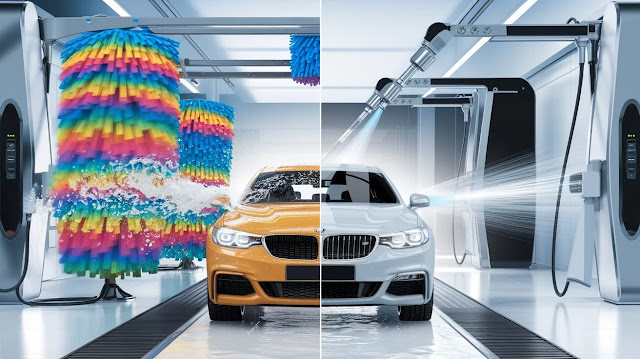
    Traditional Car Wash vs. Touchless: Key Differences

    Keeping your car clean
    is essential for maintaining its value, appearance, and longevity. Two popular
    options for car cleaning are the traditional car wash and
    the touchless car wash. Both methods have their own advantages and
    drawbacks, making it essential to choose the right one depending on your needs,
    budget, and the condition of your vehicle. In this article, we’ll explore the
    key differences between these two car wash methods, focusing on their
    techniques, benefits, drawbacks, and suitability for various situations.

    Traditional Car Wash vs. Touchless: Key Differences


    1.
    Understanding Traditional Car Wash

    A traditional car wash
    is the classic method of cleaning a vehicle. It involves the use of brushes,
    cloths, and sometimes professional-grade cleaning tools to physically scrub and
    clean the car. This type of car wash can be manual or automated.

    How Traditional Car Wash Works

    1.     Manual
    Car Wash
    :
    A professional or an individual uses brushes, sponges, or mitts to clean the
    car by hand. Detergents and soaps are applied, followed by rinsing with water.

    2.     Automated
    Car Wash
    :
    In an automated setup, rotating brushes and rollers combined with water jets
    and detergents clean the car as it moves through a conveyor system.

    Advantages of Traditional Car Wash

    • Thorough Cleaning: The physical contact ensures
      that dirt, grime, and tough stains are effectively removed.
    • Polishing and Detailing: Traditional car washes often
      offer services like waxing and detailing for a polished finish.
    • Customizable Services: From deep-cleaning interiors
      to tire polishing, you can choose additional services to suit your car’s
      needs.

    Drawbacks of Traditional Car Wash

    • Risk of Scratches: Brushes and sponges can trap
      dirt particles, potentially scratching the car’s paint.
    • Higher Water Usage: Traditional car washes tend
      to use more water, making them less eco-friendly.
    • Time-Consuming: A thorough manual wash can
      take longer compared to touchless alternatives.

    2.
    Understanding Touchless Car Wash

    Touchless car washes
    rely on high-pressure water jets, specialized cleaning solutions, and air
    drying systems. This method eliminates the need for brushes or physical contact
    with the vehicle’s surface.

    How Touchless Car Wash Works

    1.  The
      vehicle is sprayed with a specially formulated cleaning agent to loosen dirt
      and grime.
    2. High-pressure
      water jets rinse off the cleaning solution along with dirt.
    3. Air
      dryers are used to dry the car, leaving it clean and shiny.

    Advantages of Touchless Car Wash

    • Minimized Risk of Damage: Since there’s no physical
      contact, the risk of scratches or damage to the paint is significantly
      reduced.
    • Eco-Friendly Option: Many touchless car washes use
      water recycling systems and environmentally safe detergents.
    • Fast and Convenient: The process is quicker,
      making it ideal for busy individuals.

    Drawbacks of Touchless Car Wash

    • Less Effective on Tough Dirt: Without physical scrubbing,
      stubborn stains and grime may not be fully removed.
    • Limited Customization: Touchless systems don’t offer
      detailed cleaning or additional services like waxing or interior cleaning.
    • Potential Damage from Chemicals: Harsh cleaning agents can
      sometimes damage the car’s finish if not properly rinsed.

    3. Key
    Differences Between Traditional and Touchless Car Wash

    Traditional Car Wash vs. Touchless: Key Differences

    4. Choosing the Right Car Wash for Your Needs

    The decision between a traditional car wash and a touchless car wash depends on several factors, including your car’s condition, your budget, and your preferences.

    When to Choose Traditional Car Wash

    • Your car is heavily soiled with tough dirt or mud.
    • You want a detailed clean, including waxing and polishing.
    • You’re not overly concerned about the risk of minor scratches.

    When to Choose Touchless Car Wash

    • Your car has a delicate or freshly painted surface.
    • You prefer a quick, affordable, and convenient option.
    • Environmental sustainability is a priority for you.


    5.
    Environmental Impact of Car Wash Methods

    Both car wash methods
    have their impact on the environment. Traditional car washes often consume more
    water and may release untreated wastewater containing chemicals into the
    environment. However, modern car wash facilities mitigate this by using water
    recycling systems.

    Touchless car washes
    tend to use less water but rely on chemical detergents that may harm the
    environment if not managed properly. Choosing eco-friendly car wash facilities
    can minimize these impacts.

    6.
    Maintenance Tips for Better Results

    Regardless of the method
    you choose, proper maintenance can enhance the results of your car wash:

    • Wash your car regularly to
      prevent the buildup of dirt and grime.
    • Use wax or paint sealant to
      protect your car’s finish.
    • Inspect car wash facilities for
      cleanliness and modern equipment.

    Both traditional and
    touchless car washes offer unique benefits and challenges. Traditional car
    washes are highly effective for thorough cleaning and detailing, while
    touchless car washes provide a safer, faster, and eco-friendlier alternative.
    By understanding the key differences, you can make an informed decision to keep
    your car in top condition, ensuring it remains a source of pride and
    functionality for years to come.


  • Is Self-Service Car Wash Worth It?

    Is Self-Service Car Wash Worth It?

     Is Self-Service Car Wash Worth It?

    Car maintenance is a crucial responsibility for vehicle owners, and washing your car is an integral part of that care. Among the various options available for cleaning cars, self-service car washes have become increasingly popular due to their affordability, convenience, and environmental benefits. But are self-service car washes truly worth it? This article explores their pros and cons, the value they provide, and factors to consider when deciding if this approach suits your needs.

    Is Self-Service Car Wash Worth It?

    What Is a Self-Service Car Wash?

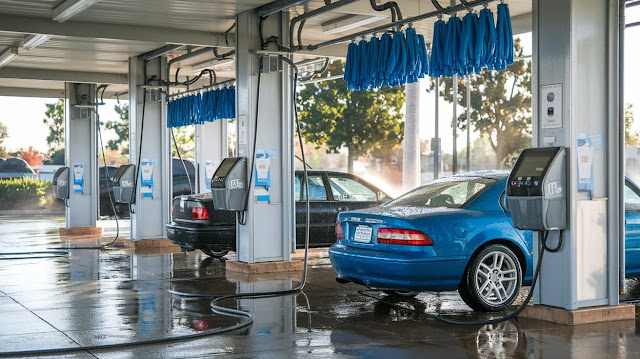
    A self-service car wash is a facility where vehicle owners can wash their cars themselves using the equipment provided on-site. Unlike automatic car washes or professional detailing services, self-service car washes empower users to control the cleaning process. These facilities typically offer high-pressure water hoses, foam brushes, wax options, and vacuums. Customers insert coins, tokens, or use credit cards to activate the equipment and pay for the time used.

    Advantages of Self-Service Car Washes

    1. Cost-Effectiveness

    One of the primary benefits of self-service car washes is their affordability. Compared to professional detailing or full-service car washes, self-service options are significantly cheaper. You only pay for the time and resources you use, making it an attractive choice for budget-conscious vehicle owners.

    2. Customizable Cleaning

    Self-service car washes allow you to tailor the cleaning process according to your car’s needs. You can spend more time scrubbing particularly dirty areas or skip steps that may not be necessary, such as waxing. This flexibility ensures that your car gets the attention it requires without unnecessary extras.

    3. Convenience

    Many self-service car washes operate 24/7, allowing you to clean your car at your convenience. This flexibility is ideal for individuals with busy schedules who may not have the time to visit during regular business hours.

    4. Eco-Friendly Options

    Self-service car washes often use high-pressure water systems that reduce water wastage compared to washing a car at home. Additionally, these facilities typically employ water recycling systems and biodegradable detergents, making them an environmentally friendly choice.

    5. Control Over Cleaning Products

    When you wash your car at a self-service station, you can bring your preferred cleaning products. This is especially advantageous if you have specific needs, such as cleaning solutions for sensitive paint or detailing tools for hard-to-reach areas.

    Drawbacks of Self-Service Car Washes

    1. Learning Curve

    Using self-service car wash equipment can be daunting for first-timers. The high-pressure hoses, various settings, and limited time can make the process overwhelming. Improper usage may even lead to subpar results or accidental damage to your vehicle.

    2. Limited Time

    Most self-service car washes operate on a timer. While this encourages efficiency, it can also add stress, especially for those unfamiliar with the process. If you run out of time before completing the wash, you may need to spend extra money to finish the job.

    3. Weather Dependence

    Unlike indoor car washes, self-service facilities are often outdoors, making them less convenient in adverse weather conditions such as rain, extreme heat, or freezing temperatures.

    4. Maintenance of Equipment

    The quality of the equipment at self-service car washes can vary. Poorly maintained tools or low-quality cleaning solutions can lead to less effective washes. Checking reviews or inspecting the facility beforehand can help mitigate this issue.

    5. Physical Effort

    Self-service car washes require physical effort, which may not be appealing to everyone. Scrubbing, rinsing, and drying the car manually can be tiring, especially for individuals with larger vehicles or physical limitations.

    How to Maximize the Value of a Self-Service Car Wash

    To ensure you get the most out of your self-service car wash experience, consider the following tips:

    1. Inspect the Facility

    Before using a self-service car wash, check the quality of the equipment and cleanliness of the facility. Well-maintained establishments are more likely to provide better results and a smoother experience.

    2. Bring Your Supplies

    While most self-service car washes offer basic cleaning products, bringing your own high-quality detergents, microfiber towels, and brushes can enhance the cleaning process.

    3. Plan Ahead

    Familiarize yourself with the process and plan your steps before starting the timer. This preparation will help you work efficiently and avoid wasting time.

    4. Use the High-Pressure Hose Correctly

    The high-pressure hose is a powerful tool, but it requires careful handling. Always hold the nozzle at an appropriate distance from your car’s surface to prevent damage to the paint.

    5. Dry Your Car Thoroughly

    Leaving your car to air dry can result in water spots and streaks. Use a microfiber towel or a chamois cloth to dry the vehicle after rinsing.

    Comparing Self-Service to Other Car Wash Methods

    1. Automatic Car Washes

    Automatic car washes are quick and convenient but may not provide the same level of detail as self-service washes. Additionally, the brushes used in some automatic car washes can be harsh on your car’s paint, leading to scratches over time.

    2. Professional Detailing

    Professional detailing offers the highest level of care and precision but comes at a premium cost. If you require deep cleaning or restoration services, professional detailing is worth the investment. However, for routine cleaning, self-service options may suffice.

    3. Washing at Home

    Washing your car at home gives you complete control but can be time-consuming and water-intensive. It also requires space and the right tools, which may not be feasible for everyone.

    When Is a Self-Service Car Wash the Best Choice?

    Self-service car washes are ideal for:

    • Budget-Conscious Individuals: If you’re looking for an affordable way to maintain your car’s cleanliness, self-service car washes are a cost-effective option.
    • Detail-Oriented Cleaners: For those who prefer to handle their car’s cleaning personally, self-service facilities offer control and flexibility.
    • Eco-Friendly Consumers: Many self-service car washes incorporate water-saving technologies, making them a greener alternative to washing at home.

    Environmental Impact of Self-Service Car Washes

    The environmental benefits of self-service car washes are noteworthy. These facilities typically use less water than at-home washing and often recycle water to minimize waste. Additionally, the detergents used are often biodegradable, reducing the impact on local water systems. By choosing a self-service car wash, you can contribute to conserving water and reducing pollution.

    So, is a self-service car wash worth it? The answer depends on your priorities and circumstances. If you value affordability, control, and eco-friendliness, self-service car washes are an excellent option. However, if you prefer convenience or require professional-grade results, other car wash methods may be more suitable. By understanding the advantages and limitations of self-service car washes, you can make an informed decision that aligns with your needs and budget. 

  • The Ultimate Guide to Car Wash Methods

    The Ultimate Guide to Car Wash Methods

     The Ultimate Guide to Car Wash Methods

    In the
    world of automobile maintenance, keeping your car clean is more than just a
    cosmetic task—it’s a crucial part of protecting your investment and ensuring
    its longevity. This ultimate guide dives deep into the most effective car wash
    methods, providing detailed insights into techniques, tools, and best
    practices.

    The Ultimate Guide to Car Wash Methods

    Why
    Regular Car Washing Matters

    Keeping
    your vehicle clean isn’t just about aesthetics.
    Regular car washes help:

    • Prevent corrosion by removing harmful dirt and
      road salts.
    • Protect the paint from scratches and
      deterioration.
    • Maintain resale value by keeping your car looking
      newer for longer.

    1. Hand
    Wash Method

    The hand
    wash method is considered by many car enthusiasts to be the most thorough way
    to clean a car.

    Tools Needed:

    • Microfiber
      wash mitts
    • Two buckets (one for soapy
      water, one for rinsing)
    • pH-balanced
      car wash soap

    Steps:

    1. Rinse your car with water to
      loosen dirt.
    2. Use the two-bucket method to
      prevent scratching: one bucket for soapy water and one for rinsing the
      mitt.
    3. Work from top to bottom,
      cleaning in straight lines.
    4. Rinse thoroughly and dry using
      a microfiber towel.

    Pro Tip: Avoid washing your car under direct
    sunlight to prevent water spots.

    2. Touchless
    Car Wash

    For a quick
    and efficient cleaning, touchless car washes are ideal. This method uses
    high-pressure water and detergents to clean your car without brushes or cloths,
    minimizing the risk of scratches.

    Pros:

    • Prevents
      surface damage.
    • Saves
      time and effort.

    Cons:

    • May not remove stubborn dirt or
      grime effectively.
    • Limited control over cleaning
      quality.

    3. Automatic
    Drive-Through Wash

    Automatic
    car washes are a popular option for convenience. These systems use rotating
    brushes, high-pressure jets, and drying systems to clean your car.

    Pros:

    • Quick
      and affordable.
    • Available in most urban areas.

    Cons:

    • Brushes
      can cause micro-scratches.
    • May not reach all crevices.

    4. Waterless
    Car Wash

    Waterless
    car washing is an innovative and eco-friendly way to clean your car, especially
    in areas with water restrictions.

    Required Materials:

    • Waterless
      car wash spray.
    • Microfiber
      towels.

    Steps:

    1. Spray the solution generously
      on the car’s surface.
    2. Use a microfiber towel to wipe
      off dirt and grime.
    3. Buff the surface with a clean
      towel for a polished finish.

    Pro Tip: This method works best on lightly
    soiled cars.

    5. Foam
    Cannon Washing

    Foam
    cannons are a fun and effective way to wash your car while reducing the risk of
    scratches

    Benefits:

    • Provides
      even soap coverage.
    • Lifts dirt off the surface for
      safer cleaning.

    How to Use:

    1. Attach the foam cannon to a
      pressure washer.
    2. Spray the car with foam and let
      it sit for a few minutes.
    3. Rinse and follow up with hand
      washing if needed.

    6. Choosing
    the Right Car Wash Soap

    Not all
    soaps are created equal. Using the wrong soap can damage your car’s paint or
    wax coating.

    Key
    Features to Look For:

    • pH-balanced
      formulas.
    • Gentle on wax and paint.
    • Effective against dirt and
      grime.

    Top Recommendations:

    • Opt for specialized car wash
      shampoos rather than household cleaners like dish soap.

    7. Benefits
    of Waxing After Washing

    Waxing is
    an essential step to protect your car after washing.

    Benefits:

    • Adds a protective layer to the
      paint.
    • Enhances
      shine and gloss.
    • Repels
      water and dirt.

    How to Wax:

    1. Apply a small amount of car wax
      to a foam applicator pad.
    2. Work in small sections, using
      circular motions.
    3. Buff off the residue with a
      microfiber cloth.

    8. Car
    Wash Mistakes to Avoid

    Even with
    the best intentions, common mistakes can harm your car.

    Avoid:

    • Using abrasive sponges or
      brushes.
    • Washing with dirty water or old
      towels.
    • Skipping the drying process,
      which can lead to water spots.
    • Using household cleaners not
      designed for cars.

    9. Eco-Friendly
    Car Washing Tips

    Car washing
    can be water-intensive, but there are ways to minimize environmental impact.

    Tips:

    • Use
      biodegradable soaps.
    • Wash your car on grass or
      gravel to prevent runoff.
    • Invest in water-efficient
      tools, such as a foam gun.

    10. How
    Often Should You Wash Your Car?

    The
    frequency of car washing depends on factors like weather, usage, and storage.

    General Guidelines:

    • Wash your car every two weeks
      under normal conditions.
    • Wash more frequently during
      winter or rainy seasons to remove salt and mud.

    Internal
    Linking Strategy

    To ensure
    your readers stay engaged and explore related topics, incorporate internal
    links to these subtopics:

    • How to Use a Foam Cannon for
      Car Washing
      :
      Dive deeper into foam cannon techniques.
    • The Benefits of Touchless Car
      Washes
      : Learn
      why touchless systems are a safe option.
    • Top Waxing Products for Car
      Enthusiasts
      :
      Find the best products for a long-lasting shine.

    Final
    Thoughts

    Choosing
    the right car wash method is crucial for maintaining your vehicle’s appearance
    and value. From traditional hand washing to innovative waterless techniques,
    there’s a method for every preference and situation. By following this guide,
    you’ll not only achieve a spotless finish but also extend the life of your
    car’s paint and bodywork.

    For more
    tips and detailed guides, check out our related articles!

  • Best Car Wash Stations Near You: A Complete Guide

    Best Car Wash Stations Near You: A Complete Guide

    Best Car
    Wash Stations Near You: A Complete Guide

    Finding the
    best car wash stations near you is essential for maintaining your vehicle’s
    appearance, prolonging its lifespan, and ensuring a smooth driving experience.
    With a variety of options available, from touchless systems to self-service
    setups, it’s important to know what to look for in a quality car wash station.
    This guide will help you navigate through the different types of services,
    highlight the top touchless wash stations in your area, and reveal self-service
    options equipped with advanced tools to suit your needs.

    Best Car Wash Stations Near You: A Complete Guide

    Why
    Choose the Best Car Wash Station?

    A car wash
    isn’t just about aesthetics; it’s about protecting your car from dirt, grime,
    and environmental damage. Choosing a high-quality car wash station ensures that
    your vehicle gets the care it deserves without compromising its paintwork or
    integrity.

    Key Benefits:

    • Protects Your Car’s Paint: Quality stations use safe and
      efficient methods to prevent scratches and fading.
    • Enhances Resale Value: A well-maintained vehicle
      fetches a better price.
    • Saves Time and Effort: Professional setups offer
      quicker and more efficient cleaning

    What to
    Look for in a Quality Car Wash Station

    Selecting a
    car wash station isn’t just about convenience; it’s about ensuring your car
    receives the best care possible. Here are the top features to consider:

    1. Advanced
    Cleaning Technology

    Modern car
    wash stations use technology like touchless systems and soft cloth mechanisms
    to minimize the risk of damage.

    2. Eco-Friendly
    Practices

    Look for
    stations that prioritize water conservation and biodegradable cleaning
    products. Not only are they better for the planet, but they also reduce the
    risk of chemical residues on your car.

    3. Customer
    Reviews and Ratings

    High
    customer ratings often indicate superior service. Pay attention to feedback about
    staff behavior, equipment quality, and service efficiency.

    4. Range
    of Services

    Some car
    wash stations offer additional perks like waxing, interior cleaning, and tire
    detailing. Opt for stations that provide comprehensive care.

    5. Proximity
    and Accessibility

    Convenience
    matters! Choose a station that is easily accessible and doesn’t disrupt your
    daily routine.

    Top
    Touchless Wash Stations in Your Area

    Touchless
    car washes are gaining popularity due to their ability to clean vehicles
    effectively without physical contact. They use high-pressure water jets and
    detergents to remove dirt while preserving the integrity of your car’s paint.

    Benefits of Touchless Washes:

    • No scratches or swirl marks.
    • Ideal for vehicles with
      delicate paint finishes.
    • Faster
      and more efficient.

    Top 3 Touchless Wash Stations:

    1. CleanWave Auto Spa

    Located in
    the heart of the city, CleanWave offers state-of-the-art touchless technology.
    Their high-pressure systems ensure every inch of your car is spotless.

    • Features: Eco-friendly detergents, quick
      service.
    • Customer Reviews: Rated 4.8/5 for consistency
      and efficiency.

    2. EcoShine
    Express Wash

    EcoShine is
    renowned for its environmentally friendly approach. Their advanced water
    reclamation systems ensure minimal wastage.

    • Features: Biodegradable products,
      competitive pricing.
    • Customer Reviews: Customers love the speedy
      process and exceptional results.

    3. AquaJet
    Pro Wash

    AquaJet Pro
    stands out with its advanced sensors that adjust pressure based on your car’s
    size and shape.

    • Features: Personalized service, modern
      equipment.
    • Customer Reviews: Praised for attention to detail
      and customer support.

    Self-Service
    Stations with the Best Equipment

    For car
    owners who prefer a hands-on approach, self-service stations provide the tools
    needed to achieve professional results. These stations allow you to clean your
    vehicle at your own pace and focus on areas that need extra care.

    Benefits
    of Self-Service Car Wash Stations:

    • Cost-effective.
    • Complete control over the
      cleaning process.
    • Ideal for car enthusiasts who
      enjoy detailing.

    Features to Look for:

    • High-Pressure Hoses: Essential for removing tough
      grime and dirt.
    • Foam Brushes: Ensure even distribution of
      soap without scratching.
    • Vacuum Stations: Keep your car’s interior
      spotless.
    • Specialty Equipment: Look for wax applicators and
      tire cleaning tools.

    Recommended
    Self-Service Stations:

    1. DIY
    Auto Clean Center

    DIY Auto
    Clean Center offers all the tools you need for a thorough wash. Their stations
    are equipped with premium brushes and high-powered vacuums.

    • Features: Spacious bays, well-maintained
      equipment.
    • Customer Reviews: Highly rated for its
      user-friendly setup.

    2. QuickSpray
    Wash

    QuickSpray
    Wash is a popular choice among car enthusiasts for its affordable pricing and
    variety of cleaning options.

    • Features: Specialty wax and rinse
      cycles.
    • Customer Reviews: Loved for its clean facilities
      and helpful staff.

    3. Detail
    Pro Hub

    Detail Pro
    Hub is perfect for those looking to add a professional touch to their car
    cleaning routine.

    • Features: Advanced detailing tools, 24/7
      availability.
    • Customer Reviews: Appreciated for its
      flexibility and premium equipment.
       

    How to
    Choose Between Touchless and Self-Service Stations

    Deciding
    between touchless and self-service car washes depends on your preferences and
    the level of care your car requires.

    Factor

    Touchless Wash

    Self-Service Wash

    Convenience

    Faster and hands-free

    Takes more time and
    effort

    Cost

    Slightly
    higher

    Budget-friendly

    Control

    Limited

    Full control over the
    process

    Equipment Quality

    Advanced
    technology

    Depends on
    the station

    Suitability

    Ideal for quick, regular
    washes

    Perfect for detailing enthusiasts

    Tips for
    Maximizing Your Car Wash Experience

    • Choose the Right Time: Early mornings or late
      evenings are less crowded.
    • Inspect the Equipment: Ensure brushes and tools are
      clean to avoid scratches.
    • Pre-Wash Prep: Rinse off loose dirt to
      prevent abrasion during washing.
    • Post-Wash Care: Dry your car to avoid water
      spots and consider adding a wax layer for extra protection.

    Finding the
    best car wash station near you is crucial for maintaining your vehicle’s
    aesthetics and functionality. Whether you opt for a touchless system,
    self-service setup, or a traditional car wash, understanding what to look for
    ensures your car gets the best care possible.

    For more
    details on touchless car wash reviews, check out our article on
    Touchless Wash Reviews: Top 3
    Stations in Your Area
    . If you’re interested in exploring
    self-service options, don’t miss our guide on
    Self-Service Stations with the Best Equipment. Ready to make an informed
    decision? Dive into these resources and keep your car in top-notch condition!


  • Top Reasons to Hire a Car Accident Injury Lawyer

    Top Reasons to Hire a Car Accident Injury Lawyer


    Top Reasons to Hire a Car Accident Injury Lawyer

    Car accidents can be life-altering events, often leading to significant physical, emotional, and financial challenges. If you’ve been involved in a car accident and sustained injuries, hiring a car accident injury lawyer may be one of the best decisions you can make. This article will explore the top reasons to hire a car accident injury lawyer, emphasizing the benefits they provide in navigating the complexities of personal injury claims.

    Top Reasons to Hire a Car Accident Injury Lawyer

    1. Understanding of the Legal System

    The legal system can be intricate and overwhelming, especially for those unfamiliar with it. Car accident injury lawyers have a deep understanding of personal injury laws and the specific regulations that apply to car accidents. They are well-versed in the processes involved in filing claims, negotiating settlements, and, if necessary, pursuing litigation. This expertise allows them to guide you effectively through every step of your case.

    2. Experience with Insurance Companies

    Dealing with insurance companies can be one of the most challenging aspects of a car accident claim. Insurance adjusters are trained to minimize payouts, often using tactics that can confuse or intimidate claimants. A car accident injury lawyer has extensive experience negotiating with insurance companies and knows how to counter their strategies. They can advocate on your behalf to ensure you receive fair compensation for your injuries and damages.car

    3. Accurate Assessment of Damages

    Determining the full extent of your damages is crucial for a successful claim. Many accident victims underestimate their injuries’ long-term impact, which can lead to insufficient compensation. A car accident injury lawyer can accurately assess your damages, considering medical expenses, lost wages, pain and suffering, and future rehabilitation needs. This comprehensive evaluation ensures that all your losses are accounted for in your claim.

    4. Collecting and Preserving Evidence

    Strong evidence is essential to support your claim. This includes police reports, medical records, witness statements, and accident reconstruction reports. A car accident injury lawyer knows how to collect and preserve this evidence effectively. They can also identify additional sources of evidence that may strengthen your case. By gathering the necessary documentation, your lawyer helps build a compelling case that increases your chances of a successful outcome.

    5. Navigating Complex Legal Procedures

    Filing a personal injury claim involves various legal procedures, including strict deadlines and specific documentation requirements. Missing a deadline or failing to complete paperwork correctly can jeopardize your claim. A car accident injury lawyer ensures that all legal procedures are followed accurately and on time, protecting your rights and interests.

    6. Negotiation Skills

    Negotiating a fair settlement is often one of the most critical phases of a car accident claim. Insurance companies frequently make low initial offers, hoping that victims will accept them without realizing their true value. A skilled car accident injury lawyer has strong negotiation skills and knows how to advocate for your best interests. They will negotiate with the insurance company on your behalf, working to secure a settlement that reflects the true value of your claim.

    7. Trial Experience

    While many personal injury cases are settled out of court, some may require litigation. If your case goes to trial, having a lawyer with trial experience can significantly impact the outcome. A car accident injury lawyer understands the courtroom procedures, knows how to present evidence effectively, and can deliver compelling arguments to persuade a judge or jury. This trial experience can be a crucial asset in your case.

    8. Contingency Fee Basis

    Many car accident injury lawyers work on a contingency fee basis, meaning they only get paid if you win your case. This arrangement allows you to pursue your claim without worrying about upfront legal fees. It also motivates your lawyer to work diligently on your behalf, as their payment is directly tied to your success. This fee structure makes legal representation accessible to those who may not have the financial resources to pay for legal services upfront.

    9. Emotional Support

    Sustaining injuries in a car accident can be a traumatic experience, often leading to emotional distress. A car accident injury lawyer not only provides legal support but can also offer emotional support throughout the process. They understand the challenges you face and can help alleviate some of the stress associated with navigating a personal injury claim. This support can be invaluable during a difficult time.

    10. Focus on Recovery

    One of the most significant benefits of hiring a car accident injury lawyer is the ability to focus on your recovery. Managing your injuries, attending medical appointments, and dealing with rehabilitation can be overwhelming. By entrusting your legal matters to a qualified lawyer, you can dedicate your time and energy to healing. This focus on recovery can lead to better physical and emotional outcomes in the long run.

    11. Knowledge of Local Laws

    Personal injury laws can vary significantly by state or region. A local car accident injury lawyer is familiar with the laws and regulations that apply in your area. They can provide insights into how these laws may affect your case and ensure that your claim is filed in compliance with local regulations. This local knowledge can be a crucial advantage in building a strong case.

    12. Access to Expert Resources

    Car accident injury lawyers often have access to a network of experts who can provide valuable insights into your case. This may include medical professionals, accident reconstruction specialists, and other experts who can strengthen your claim. By leveraging these resources, your lawyer can present a more compelling case to the insurance company or in court.

    13. Peace of Mind

    Finally, hiring a car accident injury lawyer can provide peace of mind during a challenging time. Knowing that a qualified professional is handling your legal matters allows you to focus on your recovery and well-being. This peace of mind can be invaluable as you navigate the complexities of the legal system and work toward securing the compensation you deserve.

    In summary, hiring a car accident injury lawyer offers numerous benefits that can significantly impact the outcome of your personal injury claim. From their understanding of the legal system to their negotiation skills and access to expert resources, a qualified lawyer can advocate for your best interests and help you achieve the compensation you deserve. If you’ve been involved in a car accident and sustained injuries, consider reaching out to a car accident injury lawyer to discuss your case and explore your options for pursuing a claim.