Category: Technology

  • 5G Cell Phone Plans: What You Need to Know

     5G Cell Phone Plans: What You Need to Know

    The introduction of 5G technology has revolutionized the telecommunications landscape, offering faster internet speeds, reduced latency, and the potential to transform industries from healthcare to transportation. As 5G becomes more prevalent, many consumers are asking themselves: What do I need to know about 5G cell phone plans? This article will dive deep into 5G technology, its benefits, and what to consider when selecting a 5G cell phone plan.

    5G Cell Phone Plans: What You Need to Know

    1. What is 5G?

    5G stands for “fifth generation” and represents the latest standard in mobile telecommunications. It follows 4G LTE (Long Term Evolution) and aims to improve upon its capabilities. 5G networks operate on a much higher frequency spectrum than 4G, allowing for faster data transmission and greater capacity. It offers three main improvements over previous generations:

    • Faster speeds: While 4G LTE can reach speeds of 100 Mbps to 1 Gbps in some cases, 5G can offer speeds up to 10 Gbps or more, depending on the network and conditions.
    • Lower latency: Latency, or the time it takes for a device to communicate with the network, is significantly reduced in 5G. Latency can drop as low as 1 millisecond, making real-time applications like online gaming and virtual reality (VR) much more fluid.
    • Higher capacity: 5G networks can handle many more devices simultaneously, meaning less congestion during peak hours or in crowded areas like stadiums or urban centers.

    2. Types of 5G: Low-Band, Mid-Band, and High-Band

    Not all 5G is the same. There are three different types of 5G that carriers offer, each with its pros and cons.

    • Low-Band 5G: This is the broadest coverage but offers speeds that are only slightly better than 4G LTE. It operates on lower frequencies, which can travel farther and penetrate buildings more easily but don’t offer the high speeds associated with 5G.
    • Mid-Band 5G: This provides a good balance between coverage and speed. Mid-band 5G can deliver speeds up to 1 Gbps and covers a wider area than high-band, making it ideal for urban and suburban areas.
    • High-Band 5G: Known as millimeter wave (mmWave), this is the fastest 5G, offering speeds of up to 10 Gbps. However, it has limited range and poor building penetration, meaning it’s mostly deployed in dense urban areas or specific use cases like stadiums and airports.

    Understanding these distinctions is important because when carriers advertise “5G,” they may be referring to any one of these types, which can lead to significant differences in your experience.

    3. The Importance of 5G-Compatible Devices

    To take advantage of 5G networks, you’ll need a 5G-compatible device. Older phones, even those with 4G LTE capabilities, cannot connect to 5G networks. Major smartphone manufacturers like Apple, Samsung, and Google have introduced 5G-ready models, such as the iPhone 12 and later, Samsung Galaxy S21 and later, and Google Pixel 5 and later. When shopping for a new phone, make sure it’s 5G-compatible if you want to benefit from faster speeds and lower latency.

    4. Do You Really Need 5G?

    One of the most common questions consumers ask is: Do I really need 5G? The answer depends on your specific needs and how you use your mobile device. Here are a few scenarios where 5G can make a significant difference:

    • Streaming: If you regularly stream high-definition (HD) or 4K content on your phone, 5G’s faster speeds can ensure smooth playback without buffering.
    • Gaming: Mobile gaming, particularly online multiplayer games, benefits from the lower latency that 5G offers.
    • Augmented Reality (AR) and Virtual Reality (VR): These emerging technologies require fast, stable internet connections, making 5G essential for a seamless experience.
    • Smart Home and IoT Devices: If you have a smart home with multiple devices connected to the internet, 5G can help manage the network load more effectively.

    For casual users who primarily use their phones for browsing, social media, and occasional streaming, 4G LTE may still be sufficient. However, as more apps and services are designed with 5G in mind, having access to a 5G network will become increasingly advantageous.

    5. 5G Cell Phone Plans: What to Consider

    When choosing a 5G cell phone plan, there are several factors to consider:

    a. Coverage

    Not all carriers offer nationwide 5G coverage yet, and the type of 5G available (low-band, mid-band, or high-band) can vary by region. Before committing to a plan, check the 5G coverage map for your carrier to ensure that 5G is available in the areas where you live, work, and travel. In rural areas, for example, 5G coverage may be limited to low-band networks, which offer marginal improvements over 4G.

    b. Data Allowances and Speeds

    Some carriers advertise “unlimited” 5G data plans, but in reality, many have data caps or throttling thresholds. After you use a certain amount of data, your speeds may be reduced, especially during times of network congestion. Be sure to read the fine print in your plan to understand what happens after you hit your data limit.

    In addition, even on 5G networks, your speeds may vary depending on the type of 5G available in your area. High-band mmWave 5G offers the fastest speeds, but you may be on a lower-band 5G network, which provides only modest improvements.

    c. Price

    5G plans tend to be more expensive than 4G LTE plans, though the difference is shrinking as 5G becomes more widespread. Carriers often bundle 5G with other premium services, such as streaming subscriptions (e.g., Netflix, Hulu) or extra hotspot data. It’s essential to evaluate whether these extras are worth the additional cost, especially if you don’t need them.

    d. Carrier-Specific Features

    Some carriers offer unique features with their 5G plans, such as the ability to use your phone as a hotspot for other devices or premium customer support. It’s also worth looking into whether the carrier offers perks like international roaming on 5G networks or enhanced security features, such as VPNs or identity theft protection, which may be bundled with their premium plans.

    e. Network Performance

    All major carriers (Verizon, AT&T, and T-Mobile in the U.S.) now offer 5G, but network performance varies. Verizon, for example, initially focused on high-band 5G, offering blazing-fast speeds but limited coverage. T-Mobile has focused on building out mid-band 5G, providing a balance between speed and coverage. AT&T has expanded both low- and mid-band networks.

    You can check third-party sources like Ookla or RootMetrics for network performance data to determine which carrier offers the best 5G experience in your area.

    6. Major Carriers and Their 5G Plans

    Verizon

    Verizon offers a variety of 5G plans under its “5G Play More,” “5G Do More,” and “5G Get More” tiers. It provides access to both nationwide low-band 5G and ultra-wideband high-band 5G, depending on your location. These plans include perks like Disney+, Apple Music, and extra cloud storage, making them appealing for heavy media consumers. However, Verizon’s 5G ultra-wideband coverage is still relatively limited to urban areas.

    T-Mobile

    T-Mobile has built its 5G network primarily around mid-band and low-band spectrum, which provides a good balance of speed and coverage. The company offers several plans, such as the “Magenta” and “Magenta Plus” plans, which include Netflix subscriptions, international data, and in-flight Wi-Fi. T-Mobile’s 5G coverage is often regarded as the most comprehensive in the U.S.

    AT&T

    AT&T provides access to both low-band and mid-band 5G with its “Unlimited Starter,” “Unlimited Extra,” and “Unlimited Elite” plans. These plans also come with perks like HBO Max, but AT&T’s 5G rollout has been more gradual, with a focus on improving both speed and coverage across a wide range of areas.

    Other Carriers

    In addition to the major carriers, smaller providers like Google Fi and MVNOs (Mobile Virtual Network Operators) such as Mint Mobile and Visible have also begun offering 5G plans at more affordable prices. These plans often provide access to the larger carriers’ networks but at a reduced cost, with fewer extras.

    7. The Future of 5G

    The future of 5G is incredibly promising, with applications extending beyond mobile phones. Industries such as healthcare, automotive, and manufacturing are expected to benefit from 5G’s capabilities, especially in areas like remote surgery, autonomous vehicles, and smart cities. However, the full potential of 5G will take years to realize, as networks continue to expand and new technologies are developed.

    8. Conclusion: Is Now the Time to Switch to a 5G Plan?

    Whether or not you should switch to a 5G cell phone plan depends largely on your personal needs, location, and device compatibility. For those who live in urban areas, have a 5G-compatible phone, and rely heavily on data-intensive activities like streaming or gaming, a 5G plan may be worth the investment. On the other hand, if you’re in a rural area with limited 5G coverage or primarily use your phone for basic tasks, sticking with a 4G LTE plan could save you money.

    As 5G continues to roll out and improve, the advantages of switching to a 5G plan will become more evident. However, it’s essential to carefully evaluate your needs, research the available options, and understand the fine print before making the leap to 5G.

  • What the Latest iPhone Rumors Mean for You: A Comprehensive Guide

    What the Latest iPhone
    Rumors Mean for You: A Comprehensive Guide

    With every passing year, Apple enthusiasts and tech aficionados eagerly
    anticipate the next iPhone release. Over the years, iPhone rumors have become
    an integral part of the tech news cycle, feeding curiosity, speculation, and
    excitement months before Apple officially unveils its latest device. For
    consumers, these rumors aren’t just gossip; they often inform purchasing
    decisions, help users plan upgrades, and set expectations for what’s next in
    mobile technology.

    In this guide, we’ll explore the latest iPhone rumors, what they might mean
    for you as a consumer, and how to navigate the whirlwind of leaks and
    speculations surrounding one of the world’s most anticipated tech releases.

    What the Latest iPhone Rumors Mean for You: A Comprehensive Guide

    The Anatomy of iPhone Rumors:
    Why They Matter

    iPhone rumors tend to surface well before Apple’s official product launch,
    usually months in advance.
    These rumors come from various sources, including:

    1. Industry insiders who
      have access to supply chain information.
    2. Tech analysts who
      make educated predictions based on market trends.
    3. Leak websites and forums that often obtain information from anonymous
      sources, sometimes as a result of leaked documents or designs.

    While not every rumor pans out, many predictions are accurate or at least
    indicative of the direction Apple is heading. Knowing which rumors to trust and
    how to interpret them can be incredibly useful.

    Why Should You Care About iPhone Rumors?

    1. Informed Buying Decisions: For those who are thinking of upgrading or
      buying a new iPhone, rumors can help in planning whether to wait for the
      new model or settle for the current version.
    2. Financial Planning: With
      Apple products often carrying a premium price tag, knowing what features
      are coming and how much they might cost can help you budget better.
    3. Feature Comparison:
      Rumors about upcoming features provide a basis for comparing the iPhone
      with its competitors, helping users decide which ecosystem to invest in.
    4. Excitement for Apple Ecosystem Fans: Beyond practicality, many people follow iPhone
      rumors simply because they’re invested in the Apple ecosystem and enjoy
      the thrill of anticipating new technology.

    The Latest iPhone Rumors for
    2024

    As we approach the next iPhone launch, rumors have been swirling about the
    features, design changes, and hardware improvements that could be in the
    pipeline. Here are the most significant and credible iPhone rumors circulating
    right now.

    1. USB-C Charging Port: The
    End of Lightning?

    One of the most talked-about rumors surrounding the upcoming iPhone release
    is that Apple may finally switch to a USB-C charging port. For years,
    iPhones have stuck with the proprietary Lightning connector, while other
    smartphones and devices have moved to the more universal USB-C standard.

    What This Means for You:

    • Convenience: If
      Apple moves to USB-C, it could mean fewer cables and chargers to carry, as
      more devices use the same connector. This would especially benefit users
      who already own other USB-C devices, like MacBooks or iPads.
    • Faster Data Transfer: USB-C
      generally supports faster data transfer speeds, making it easier to move
      large files or backups from your iPhone to a computer.
    • Potential Costs: On
      the flip side, if you have invested heavily in Lightning accessories, such
      as cables, docks, or headphones, you may need to replace or adapt them for
      the new USB-C port, adding to the cost of upgrading.

    2. Redesigned Camera System

    Camera improvements are a hallmark of every iPhone iteration, and this
    year’s iPhone is no different. The rumor mill suggests that Apple is working on
    a redesigned camera system, potentially adding a periscope zoom lens
    for better long-range photography.

    What This Means for You:

    • Enhanced Photography: A
      periscope lens would allow for much better zoom capabilities without
      sacrificing image quality. This is great news for photography enthusiasts
      and those who rely heavily on their iPhone’s camera for professional or
      personal use.
    • Increased Camera Bump: With
      more advanced camera hardware, the iPhone’s camera bump may become larger,
      potentially impacting the device’s ergonomics and design. Users who
      prioritize sleek, flat designs might find this less appealing.
    • Software Enhancements:
      Alongside hardware upgrades, Apple is likely to introduce software
      improvements like enhanced computational photography, better night mode,
      and AI-driven editing tools. This will make casual photography even easier
      and more enjoyable.

    3. A16 or A17 Bionic Chip: The
    Power Behind the Phone

    Every new iPhone is powered by an updated processor, and this year is
    expected to bring either the A16 or A17 Bionic chip. Apple’s
    silicon advancements are usually a highlight of each iPhone release, offering
    better performance, power efficiency, and capabilities for AI and machine
    learning.

    What This Means for You:

    • Improved Performance: The
      new chip is expected to offer a significant performance boost, which will
      be noticeable in everything from gaming to multitasking to AR
      applications.
    • Better Battery Life: With
      more efficient power management, you can expect longer battery life, even
      with more intensive usage.
    • Future-Proofing: A
      more powerful chip means that your iPhone will stay relevant for longer,
      capable of handling software updates and new applications for several
      years to come.

    4. ProMotion 120Hz Display on
    All Models?

    Apple introduced the ProMotion 120Hz display on its iPhone Pro
    models, providing smoother scrolling and more responsive touch interactions.
    Rumors suggest that Apple may extend this feature to all iPhone models,
    not just the Pro versions.

    What This Means for You:

    • Smoother User Experience: A 120Hz refresh rate means animations,
      scrolling, and video playback will look smoother and more fluid, improving
      the overall user experience.
    • Increased Appeal for Non-Pro Models: If ProMotion becomes available on lower-tier
      models, it will make them more attractive to consumers who don’t want to
      pay the premium for the Pro versions but still want top-tier features.
    • Battery Considerations: Higher refresh rates can be more demanding on
      the battery, but with Apple’s advancements in power efficiency, any impact
      will likely be minimal.

    5. No More Physical Buttons?
    Solid-State Design

    Another interesting rumor is that Apple may ditch the traditional physical
    buttons for solid-state buttons. These buttons would not physically move
    but instead simulate the feel of a button press using haptic feedback, similar
    to the technology found in the iPhone SE’s home button.

    What This Means for You:

    • Increased Durability:
      Without moving parts, solid-state buttons are less prone to wear and tear.
      This could result in fewer hardware failures and a longer-lasting device.
    • Learning Curve: Users
      may need some time to get used to the feel of solid-state buttons. While
      Apple typically excels at haptic feedback, it’s a departure from the
      tactile feel of physical buttons that users are accustomed to.
    • Water and Dust Resistance: Solid-state buttons could improve the iPhone’s
      resistance to water and dust since there would be fewer points of entry
      for particles and moisture.

    6. Improved Battery Life and
    Charging Capabilities

    Battery life is always a key consideration for smartphone users. Rumors
    point to a possible increase in battery capacity and improvements in charging
    technology. Some sources also hint at faster wireless charging and potentially
    the introduction of reverse wireless charging, allowing the iPhone to
    charge other devices like AirPods or Apple Watches.

    What This Means for You:

    • Extended Usage:
      Longer battery life means more time between charges, which is essential
      for heavy users, gamers, and travelers.
    • Faster Charging:
      Improvements in charging speed can drastically reduce the time it takes to
      fully charge your phone, making it more convenient for users who are
      constantly on the go.
    • Charging Other Devices: Reverse wireless charging would allow you to
      use your iPhone as a charging pad for your smaller devices, reducing the
      need for multiple chargers when traveling.

    How to Prepare for the Next
    iPhone

    With these rumors in mind, you may be wondering how to prepare for the next
    iPhone release. Here are some practical steps:

    1. Decide If You Should Wait
    or Buy Now

    If you currently own an older iPhone and are due for an upgrade, the
    decision to buy now or wait depends on your priorities. If the rumored
    features—like a periscope lens, USB-C charging, or a 120Hz display—are
    important to you, waiting for the next release makes sense. However, if you
    don’t need the latest tech and can find a good deal on the current model,
    buying now might be the better choice.

    2. Start Budgeting

    iPhones are expensive, especially the Pro and Max models. If you’re set on
    upgrading to the newest release, start saving now. Based on past releases,
    expect prices to range between $999 and $1,599, depending on the model and
    storage capacity.

    3. Backup Your Data

    If you plan on upgrading to the new iPhone, make sure to regularly back up
    your current device. This will make the transition smoother when transferring
    your data to the new phone.

    4. Evaluate Your Needs

    Not everyone needs the most cutting-edge features. Ask yourself what you
    really need from your phone. If you’re not a heavy user, some of the rumored
    improvements, like the enhanced camera system or ProMotion display, may not be
    worth the extra cost for you.

    The world of iPhone rumors is always evolving, with new information
    surfacing almost daily. Whether it’s the possibility of a USB-C port, an
    upgraded camera system, or faster charging capabilities, each rumor provides
    valuable insight into the future of Apple’s flagship device. For consumers,
    staying informed about these rumors helps guide purchasing decisions, whether
    you choose to upgrade to the latest model or stick with what you already have.

    In the end, it’s about finding the balance between your tech needs, your
    budget, and your excitement for Apple’s next big thing.


  • Understanding GPU Benchmarks: A Beginner’s Guide

     Understanding GPU Benchmarks:
    A Beginner’s Guide

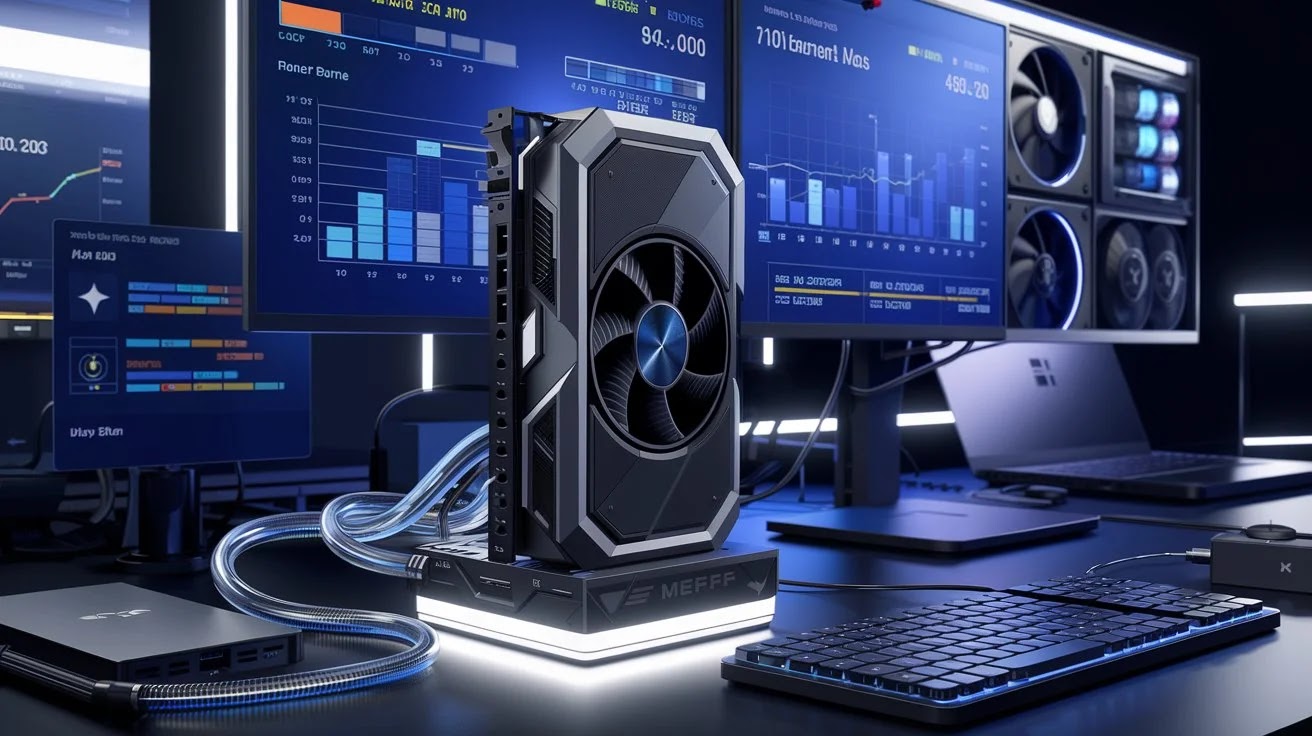
    Graphics Processing Units (GPUs) have become an essential component of
    modern computing, powering everything from video games to scientific
    simulations and artificial intelligence (AI). As GPU technology evolves, it
    becomes crucial to understand how these components perform and compare to each
    other. This is where GPU benchmarks come into play. For those unfamiliar with
    the concept, this guide provides a comprehensive introduction to GPU
    benchmarks, covering their importance, types, how to interpret them, and the
    tools used for benchmarking.

    Understanding GPU Benchmarks: A Beginner's Guide

    What is a GPU?

    Before diving into benchmarks, it’s essential to understand what a GPU is.
    A GPU, or Graphics Processing Unit, is a specialized processor designed to
    accelerate rendering graphics and computations involving large amounts of data.
    GPUs differ from Central Processing Units (CPUs) by having thousands of smaller
    cores that process tasks in parallel, making them highly efficient at handling
    operations like rendering 3D models, video editing, and running complex machine
    learning algorithms.

    What are GPU Benchmarks?

    A GPU benchmark is a standardized test or set of tests that measures
    the performance of a graphics card. It provides a quantitative way to compare
    different GPUs in terms of speed, power efficiency, heat output, and capability
    across various tasks. These tests simulate real-world applications, gaming
    scenarios, or synthetic workloads to assess how well a GPU handles them. By
    evaluating the results of a benchmark, users can make informed decisions when
    purchasing or upgrading their hardware.

    Why Are GPU Benchmarks
    Important?

    1. Performance Evaluation: Benchmarks offer an objective metric to evaluate
      how different GPUs perform under specific conditions. For gamers, this
      helps in determining which GPU can run the latest titles at desired
      settings.
    2. System Optimization:
      Understanding the performance of a GPU in relation to other components
      like the CPU and RAM helps in optimizing the entire system. It prevents
      potential bottlenecks where one part of the system could slow down the
      others.
    3. Informed Purchases: With
      the rapid evolution of GPU technology, buyers need reliable data to decide
      between models. Benchmarks provide clear insight into which GPUs offer the
      best performance for the price.
    4. Comparing Generations and Models: As new models and architectures are released,
      benchmarks allow users to compare the new GPUs with previous generations.
      This is crucial for understanding how much of an improvement the latest
      technology brings.

    Types of GPU Benchmarks

    GPU benchmarks fall into several categories depending on the focus of the
    test. Here’s a breakdown of the most common types:

    1. Synthetic Benchmarks

    These benchmarks are designed to stress the GPU in a controlled
    environment. Synthetic benchmarks create workloads that simulate intensive
    applications to assess the GPU’s maximum performance potential.

    • 3DMark: One
      of the most popular synthetic benchmark tools, 3DMark runs a series of
      graphics-heavy scenes, pushing the GPU to its limits. The tool provides
      detailed performance metrics like frame rates, thermal efficiency, and
      power usage.
    • FurMark: A GPU
      stress-testing tool that emphasizes rendering a fur-like object, placing
      extreme demand on the GPU’s thermal and power capacities.

    Advantages: Synthetic
    benchmarks are consistent, repeatable, and provide clear-cut numbers for
    comparison. They are especially useful for enthusiasts who want to push their
    hardware to the edge.

    Disadvantages: These
    benchmarks do not always represent real-world gaming or application
    performance, as the synthetic loads may not reflect actual usage scenarios.

    2. Gaming Benchmarks

    Gaming benchmarks evaluate GPU performance by measuring how well the GPU
    runs specific video games. This type of benchmark is highly relevant for
    gamers, as it provides real-world insights into how a particular GPU handles
    different games at various settings.

    • FPS (Frames Per Second): One of the most common metrics in gaming
      benchmarks, FPS measures how many frames a GPU can render per second.
      Higher FPS results in smoother gameplay. Common benchmarks test games like
      Red Dead Redemption 2, Cyberpunk 2077, or Shadow of the
      Tomb Raider
      at various settings (e.g., 1080p, 1440p, or 4K
      resolution).

    Advantages: These
    benchmarks provide an accurate representation of how well a GPU performs in
    real-world scenarios.

    Disadvantages:
    Performance can vary significantly across different games due to varying
    optimization levels and game engines. Therefore, benchmarking across multiple
    games is recommended.

    3. Compute Benchmarks

    Compute benchmarks measure how efficiently a GPU performs computational
    tasks beyond gaming, such as scientific calculations, artificial intelligence,
    and machine learning workloads.

    • CUDA and OpenCL Benchmarks: These benchmarks test how well GPUs handle
      parallel processing tasks like deep learning models or 3D rendering
      software. Tools like Geekbench and Blender’s Benchmark evaluate how well
      GPUs execute general-purpose computing tasks using frameworks like CUDA
      (NVIDIA) or OpenCL.

    Advantages: This type
    of benchmarking is crucial for developers and scientists who rely on GPUs for
    non-gaming tasks.

    Disadvantages: These
    benchmarks might not be as relevant to casual gamers or everyday users, as they
    focus on specialized tasks.

    Key Metrics in GPU Benchmarks

    When analyzing GPU benchmarks, several key metrics provide valuable insight
    into performance. Understanding these metrics is crucial for interpreting
    results:

    1. Frames Per Second (FPS)

    FPS is the number of frames a GPU can render per second. A higher FPS means
    smoother visuals, especially in fast-paced games. However, FPS performance can
    vary depending on the game, resolution, and graphics settings.

    • 60 FPS:
      Generally considered the baseline for smooth gameplay.
    • 120 FPS and above: Ideal
      for competitive gaming where every millisecond counts.

    2. Thermal Performance
    (Temperature)

    GPUs generate significant heat, and excessive temperatures can cause
    throttling, reducing performance. Benchmarking tools measure the peak
    temperature of the GPU under load. Efficient cooling ensures the GPU operates
    at optimal speeds without thermal throttling.

    • 70°C to 80°C: A
      safe operating range for most GPUs under load.
    • Above 85°C: May
      indicate poor cooling or an overtaxed system.

    3. Power Consumption

    GPUs can draw significant amounts of power, especially under load. Power
    consumption benchmarks measure how many watts the GPU uses during intensive
    tasks. This is important for users building energy-efficient systems or those
    concerned about the strain on their power supply.

    4. Latency

    Latency is crucial for tasks like real-time video rendering or competitive
    gaming. Lower latency means faster response times, contributing to a smoother
    experience.

    Popular GPU Benchmarking Tools

    There are several tools and software available to benchmark GPUs, ranging
    from free options to more sophisticated paid versions. Here’s a look at some of
    the most popular tools:

    1. 3DMark

    3DMark is widely regarded as the gold standard for GPU benchmarking. It
    runs various tests tailored for different GPU capabilities, such as DirectX 12
    support or ray tracing. Each test provides a score, which can then be compared
    to other GPUs.

    2. Unigine Heaven

    Unigine Heaven is a popular tool for benchmarking the graphics performance
    of high-end GPUs. It offers real-time rendering with complex visuals and
    dynamic lighting. This tool is often used to check for GPU stability and
    cooling under heavy loads.

    3. Blender Benchmark

    For those interested in using GPUs for 3D rendering, the Blender Benchmark
    is invaluable. It evaluates how efficiently a GPU can render scenes using the
    Blender software, a popular open-source 3D creation suite.

    4. FurMark

    FurMark is primarily used to stress-test GPUs by pushing them to their
    thermal limits. Although it’s not as commonly used for gaming performance
    benchmarks, it’s valuable for assessing how well a GPU handles extreme heat and
    power consumption.

    5. PassMark

    PassMark is a comprehensive tool that benchmarks various components,
    including GPUs. It runs both 2D and 3D tests, providing an overall performance
    score.
     

    How to Interpret GPU
    Benchmarks

    GPU benchmarks can seem overwhelming, but breaking down the data into
    understandable chunks can help you make informed decisions. Here are some tips
    for interpreting benchmark results:

    1. Compare Scores Across
    Multiple Tests

    No single benchmark tells the whole story. Compare scores across different
    types of benchmarks—synthetic, gaming, and compute—to get a complete picture of
    a GPU’s performance.

    2. Resolution Matters

    Benchmarks often test GPUs at multiple resolutions: 1080p, 1440p, and 4K.
    Higher resolutions demand more from the GPU, so make sure the benchmarks
    reflect the resolution you plan to use.

    3. Look for Bottlenecks

    A GPU benchmark should be viewed in context with the entire system. If your
    CPU, RAM, or power supply is underpowered, it could bottleneck the GPU, meaning
    the GPU can’t perform at its full potential. Look for benchmarks that test
    system performance holistically.

    4. Understand Real-World
    Application

    Synthetic benchmarks might not always translate to real-world performance.
    For gamers, in-game FPS results are far more relevant than scores from
    synthetic tests.

    Understanding GPU benchmarks is essential for
    anyone looking to evaluate graphics cards for gaming, professional work, or
    computational tasks. Benchmarks offer invaluable insights into performance,
    enabling consumers to make informed purchasing decisions and optimize their
    systems. By grasping the various types of benchmarks, key performance metrics,
    and tools available, you can confidently assess a GPU’s capabilities and
    determine whether it meets your needs. As technology evolves, staying updated
    on the latest benchmarks ensures that you can always get the best performance
    from your hardware.

  • The Secrets of Successful Trading Revealed

    The Secrets of Successful Trading Revealed

    Trading in financial markets has long been considered one of the most exciting yet challenging ways to build wealth. Whether you’re trading stocks, forex, cryptocurrencies, or commodities, the allure of making quick profits draws many people in. However, successful trading is more than just making lucky bets; it requires a deep understanding of market dynamics, disciplined strategies, and emotional control. In this comprehensive guide, we will reveal the secrets of successful trading, covering everything from fundamental and technical analysis to risk management and psychological discipline.

    The Secrets of Successful Trading Revealed

    1. Understanding the Markets

    Before diving into specific trading strategies, it’s essential to understand the nature of the financial markets. Each market—whether it’s stocks, forex, commodities, or cryptocurrencies—operates differently, influenced by unique factors.

    • Stock Market: The stock market is where shares of publicly traded companies are bought and sold. Factors like corporate earnings, economic data, interest rates, and geopolitical events all influence stock prices.
    • Forex Market: The forex (foreign exchange) market involves trading currencies. Currency prices are influenced by factors such as interest rates, economic indicators, and political stability. The forex market is highly liquid and operates 24 hours a day, making it attractive to traders seeking flexible trading hours.
    • Commodity Market: Commodities like oil, gold, and agricultural products are traded in this market. Prices are affected by supply and demand dynamics, weather conditions, and geopolitical events. For example, oil prices might surge due to a supply disruption in the Middle East.
    • Cryptocurrency Market: Cryptocurrencies like Bitcoin and Ethereum are traded in a highly volatile market influenced by technological advancements, regulatory changes, and investor sentiment. Unlike traditional markets, cryptocurrency trading operates 24/7, adding to its complexity.

    Understanding the unique characteristics of each market allows traders to make informed decisions and choose the market that aligns best with their trading style.

    2. The Importance of Education and Research

    One of the most fundamental secrets of successful trading is continuous education. The financial markets are constantly evolving, and staying informed is crucial for success.

    • Fundamental Analysis: This type of analysis involves evaluating a security’s intrinsic value based on economic indicators, financial statements, and other qualitative and quantitative factors. For example, a stock trader might look at a company’s earnings report, debt levels, and management team to determine whether its stock is undervalued or overvalued.
    • Technical Analysis: Technical analysis involves studying price charts and patterns to predict future market movements. Traders use tools like moving averages, support and resistance levels, and momentum indicators to make informed trading decisions. For example, if a stock breaks above a key resistance level, a technical trader might take that as a signal to buy.
    • Market Sentiment: Understanding market sentiment is crucial. Sentiment analysis involves gauging the mood of the market, which can be influenced by news, rumors, and the behavior of other traders. A bullish sentiment indicates that traders are optimistic about the market, while a bearish sentiment suggests pessimism.

    Successful traders dedicate time to studying the markets, reading news, and analyzing charts. Continuous education and staying updated on market trends allow traders to anticipate changes and make informed decisions.

    3. Developing a Trading Strategy

    A well-defined trading strategy is the cornerstone of successful trading. Without a strategy, trading becomes a game of chance rather than a disciplined approach to building wealth. Here are the key components of a robust trading strategy:

    • Define Your Goals: Are you looking to make short-term gains, or are you focused on long-term wealth accumulation? Your goals will determine your trading style. Day traders, for example, aim to profit from short-term price movements, while swing traders hold positions for several days or weeks to capitalize on medium-term trends.
    • Choose Your Trading Style: Different trading styles suit different personalities and risk appetites. Some of the most common styles include:

    1. Scalping: A short-term strategy where traders make multiple trades throughout the day, aiming to profit from small price movements.
    2. Day Trading: Traders open and close positions within the same day, avoiding overnight exposure to risk.
    3. Swing Trading: Traders hold positions for several days or weeks, aiming to profit from price swings.
    4. Position Trading: This is a long-term strategy where traders hold positions for months or even years, based on fundamental analysis.

    • Set Entry and Exit Rules: Successful traders have a clear plan for entering and exiting trades. Entry rules might involve technical indicators such as moving averages or candlestick patterns, while exit rules could be based on hitting a specific price target or trailing stop loss.
    • Risk Management: Every trade carries risk, and successful traders know how to manage it. A common rule is the 1% rule, where traders risk no more than 1% of their capital on any single trade. This approach ensures that no single loss can wipe out your account.
    • Backtesting: Once you’ve developed your strategy, it’s essential to backtest it. Backtesting involves running your strategy on historical market data to see how it would have performed. While past performance is no guarantee of future results, backtesting can give you confidence in your strategy’s potential effectiveness.

    4. The Power of Discipline and Emotional Control

    One of the biggest challenges in trading is controlling your emotions. The financial markets can be highly emotional, and it’s easy to get caught up in the excitement of a winning streak or the frustration of a losing trade. However, emotional trading often leads to poor decisions and losses.

    • Stick to Your Plan: Successful traders stick to their trading plans, even when emotions run high. If you’ve set a stop loss, don’t move it just because you believe the market will turn in your favor. Discipline means following your plan consistently, even when it’s uncomfortable.
    • Manage Greed and Fear: Greed and fear are two of the most powerful emotions in trading. Greed can lead to overtrading or holding onto a winning position for too long, hoping for even more profits. Fear, on the other hand, can cause traders to exit positions too early or avoid taking trades altogether. Recognizing these emotions and learning to manage them is key to long-term success.
    • Take Breaks: If you find yourself getting overly emotional, it’s important to take a step back. Taking breaks from trading can help you clear your mind and approach the markets with a fresh perspective. Sometimes, the best trade is no trade at all.
    • Mindfulness and Meditation: Many successful traders practice mindfulness and meditation to help manage stress and maintain emotional balance. Techniques like deep breathing, visualization, and mindfulness exercises can help you stay calm and focused during trading sessions.

    5. Risk Management: The Key to Longevity

    Risk management is arguably the most critical aspect of successful trading. Even the best trading strategy can lead to losses if risk is not properly managed. Here are some risk management principles to follow:

    • Position Sizing: Position sizing refers to determining how much of your capital to allocate to a single trade. Proper position sizing ensures that no single trade can significantly impact your portfolio. As mentioned earlier, the 1% rule is a popular approach to managing position size.
    • Use Stop Losses: A stop loss is an order placed with your broker to automatically exit a trade if the price moves against you by a certain amount. Stop losses help limit your losses and protect your capital. For example, if you buy a stock at $100 and set a stop loss at $95, your trade will automatically be closed if the price drops to $95, limiting your loss to $5 per share.
    • Diversification: Diversifying your portfolio means spreading your capital across different assets or markets to reduce risk. By not putting all your eggs in one basket, you reduce the impact of a poor-performing asset on your overall portfolio.
    • Risk-to-Reward Ratio: The risk-to-reward ratio measures the potential reward of a trade relative to its risk. For example, if you’re risking $1 for the potential to gain $3, your risk-to-reward ratio is 1:3. Successful traders look for trades with favorable risk-to-reward ratios to maximize their profits.
    • Know When to Walk Away: Not every day will be a winning day, and that’s okay. Knowing when to walk away after a string of losses or when the market isn’t behaving as expected is crucial. It’s better to protect your capital and live to trade another day than to chase losses and dig yourself into a deeper hole.

    6. Tools and Technology for Successful Trading

    In today’s digital age, successful trading relies heavily on technology and the use of advanced tools. These tools can help you analyze the markets, execute trades efficiently, and manage your risk.

    • Trading Platforms: A good trading platform is essential for executing trades quickly and efficiently. Look for platforms that offer advanced charting tools, real-time data, and customizable interfaces. Popular platforms include MetaTrader, ThinkorSwim, and TradingView.
    • Charting Software: Technical traders rely on charting software to analyze price movements and identify trends. Charting tools like moving averages, Bollinger Bands, and RSI (Relative Strength Index) help traders make informed decisions.
    • News Feeds and Data Providers: Staying informed about market news and events is crucial for making timely trading decisions. Services like Bloomberg, Reuters, and Yahoo Finance provide real-time news and data that can impact the markets.
    • Algorithmic Trading: For more advanced traders, algorithmic trading involves using computer programs to execute trades based on predefined criteria. Algorithms can analyze large amounts of data and execute trades much faster than a human trader, making them ideal for high-frequency trading strategies.
    • Automated Trading Bots: In the cryptocurrency space, many traders use automated trading bots to execute trades around the clock. These bots can be programmed to follow specific trading strategies, allowing traders to take advantage of market opportunities even while they sleep.

    7. The Importance of Continuous Improvement

    The financial markets are constantly changing, and successful traders are always learning and adapting. Continuous improvement is key to staying ahead of the curve and maintaining long-term success.

    • Keep a Trading Journal: A trading journal is a powerful tool for improving your trading performance. By recording your trades, including entry and exit points, the reasoning behind your trades, and the outcome, you can analyze your performance and identify areas for improvement.
    • Learn from Your Mistakes: Every trader makes mistakes, but successful traders learn from them. Reviewing your losing trades and identifying what went wrong can help you avoid making the same mistakes in the future.
    • Stay Informed: The financial markets are influenced by a wide range of factors, from economic data to geopolitical events. Staying informed about market trends, news, and developments allows you to make more informed trading decisions.
    • Continue Your Education: The best traders never stop learning. Whether it’s reading books, attending webinars, or following market experts on social media, continuous education is key to staying ahead in the fast-paced world of trading.

    Successful trading is a combination of knowledge, discipline, emotional control, and risk management. It’s not about making quick, lucky trades; it’s about developing a well-thought-out strategy, sticking to it, and continuously improving over time. While the path to trading success is challenging, the rewards can be significant for those willing to put in the work.

    By understanding the markets, educating yourself, developing a solid strategy, managing risk, and maintaining discipline, you can unlock the secrets to successful trading. Remember, trading is a marathon, not a sprint, and long-term success requires patience, persistence, and a commitment to continuous improvement.

  • The Must-Have Software Tools for 2024

    The Must-Have Software Tools for 2024

    As we enter 2024, software tools are becoming more essential than ever, playing an integral role in productivity, creativity, communication, and collaboration across industries. The right software can dramatically improve efficiency, streamline workflows, and foster innovation. In this article, we will explore the must-have software tools for 2024 across different categories, including productivity, communication, cybersecurity, design, and development. These tools are designed to help businesses and individuals stay competitive in a rapidly evolving digital landscape.

    The Must-Have Software Tools for 2024

    1. Productivity Tools


    In an increasingly remote and hybrid work environment, productivity tools are crucial for managing tasks, projects, and workflows. The following software tools are essential for staying organized and maximizing efficiency in 2024.

    • Notion
      Notion is a powerful all-in-one workspace that combines note-taking, task management, and database functionalities. Its flexibility allows users to create customized workflows, making it an excellent tool for both individuals and teams. With advanced collaboration features, Notion can be used for everything from personal to-do lists to company-wide knowledge bases.

    • Trello
      Trello remains one of the most popular project management tools, thanks to its simplicity and visual interface. Based on the Kanban methodology, Trello uses boards, lists, and cards to help teams manage tasks and track progress. Trello’s ability to integrate with other tools and its ease of use make it a must-have for project management in 2024.

    • Microsoft 365
      Microsoft 365 continues to be the go-to productivity suite for businesses and professionals. It includes essential tools like Word, Excel, and PowerPoint, but its cloud-based capabilities and collaboration features make it particularly valuable in today’s digital workplace. Microsoft Teams, in particular, has become a central hub for communication and collaboration, making Microsoft 365 a comprehensive solution for productivity needs.

    • Asana
      Asana is another leading project management tool that helps teams organize and track their work. With its clean interface and powerful features, Asana is ideal for managing complex projects. Its ability to integrate with various apps and tools makes it versatile for different industries.

    2. Communication and Collaboration Tools


    Effective communication is the backbone of any successful organization. In 2024, communication and collaboration tools have evolved to meet the demands of a hybrid and distributed workforce.

    • Slack
      Slack continues to be a top choice for team communication, offering real-time messaging, file sharing, and integrations with countless other tools. Slack channels make it easy to organize conversations by project or topic, while its integrations with project management tools, calendars, and automation apps ensure that teams stay connected and efficient.

    • Zoom
      While many video conferencing tools exist, Zoom remains one of the most reliable and widely used. Its ease of use, robust features, and strong performance make it essential for remote meetings, webinars, and virtual events. Zoom’s latest innovations, such as enhanced security features and collaboration tools, keep it ahead of the curve.

    • Google Workspace
      Google Workspace (formerly G Suite) offers a suite of collaboration tools like Gmail, Google Drive, Google Docs, and Google Meet. Its real-time collaboration features, cloud-based storage, and seamless integration with other Google services make it a popular choice for both small businesses and large enterprises. Google Workspace’s ability to facilitate remote collaboration is critical for modern teams.

    • Microsoft Teams
      Microsoft Teams has become a dominant player in the communication and collaboration space, offering chat, video conferencing, file sharing, and app integrations all in one platform. Its deep integration with Microsoft 365 makes it an excellent choice for businesses already using Microsoft’s ecosystem. Teams’ ability to support hybrid and remote work makes it a must-have tool in 2024.

    3. Cybersecurity Tools


    As cyber threats become more sophisticated, investing in strong cybersecurity tools is essential for protecting data and maintaining trust in 2024.

    • Bitdefender
      Bitdefender is a comprehensive cybersecurity solution that offers protection against viruses, malware, ransomware, and other cyber threats. It’s known for its excellent performance and minimal impact on system resources, making it a top choice for both individuals and businesses.

    • LastPass
      With the increasing number of online accounts, managing passwords securely is crucial. LastPass is a password manager that helps users store, generate, and share passwords securely. Its autofill feature makes logging into accounts easier, while its encryption ensures that sensitive information remains protected.

    • Norton 360
      Norton 360 provides all-around cybersecurity protection, including antivirus, firewall, VPN, and identity theft protection. Its comprehensive suite of tools makes it suitable for both individuals and businesses looking to secure their digital assets. Norton’s advanced threat detection and prevention technologies make it a must-have in 2024.

    • CrowdStrike Falcon
      For businesses with more advanced security needs, CrowdStrike Falcon is a leading endpoint protection platform. It uses AI-powered threat detection and response to identify and neutralize cyber threats in real-time. CrowdStrike’s cloud-native architecture and scalability make it an essential tool for businesses of all sizes.

    4. Design and Creativity Tools


    Whether you’re a graphic designer, video editor, or content creator, the right tools can unlock your creative potential. In 2024, design and creativity tools are becoming more powerful and accessible.

    • Adobe Creative Cloud
      Adobe Creative Cloud remains the industry standard for creative professionals. With tools like Photoshop, Illustrator, Premiere Pro, and After Effects, Adobe offers everything needed for graphic design, video editing, animation, and more. Adobe’s continuous updates and cloud-based services ensure that creators always have access to the latest features.

    • Canva
      Canva has revolutionized graphic design for non-professionals, making it easy for anyone to create stunning visuals. With thousands of templates and a simple drag-and-drop interface, Canva is perfect for social media graphics, presentations, and marketing materials. Its collaboration features also make it ideal for teams.

    • Figma
      Figma is a powerful design and prototyping tool that has gained popularity among UI/UX designers. Its cloud-based nature allows for real-time collaboration, making it a favorite for teams working on digital product design. Figma’s ability to handle everything from wireframing to high-fidelity designs makes it an essential tool for designers in 2024.

    • Blender
      Blender is an open-source 3D modeling and animation software that has grown in popularity due to its powerful features and free access. From modeling and sculpting to rendering and compositing, Blender offers a complete toolset for 3D artists, animators, and game developers. Its active community and constant development make it a must-have for creatives.

    5. Development Tools


    For developers, having the right tools is crucial for building, testing, and deploying software efficiently. The following development tools are indispensable for 2024.

    • Visual Studio Code
      Visual Studio Code (VS Code) remains one of the most popular code editors due to its lightweight nature, extensive customization options, and rich ecosystem of extensions. Whether you’re a web developer, data scientist, or mobile app developer, VS Code’s versatility makes it an essential tool for coding in 2024.

    • GitHub
      GitHub is the world’s largest platform for hosting and collaborating on code. With features like version control, code review, and CI/CD integration, GitHub is essential for managing software projects. Its integration with other development tools and cloud platforms makes it a central hub for developers.

    • Docker
      Docker has become a must-have tool for developers working with containerized applications. It simplifies the process of building, testing, and deploying applications across different environments. Docker’s ability to package applications with all their dependencies ensures consistency and reliability in development.

    • Jira
      Jira is a powerful project management tool tailored for software development teams. It offers features like issue tracking, sprint planning, and reporting, making it an essential tool for Agile and DevOps teams. Jira’s integrations with other development tools, like GitHub and Bitbucket, make it a central part of many development workflows.

    6. Artificial Intelligence and Automation Tools


    AI and automation are transforming the way we work, enabling smarter decision-making and automating repetitive tasks. In 2024, these tools are more important than ever for businesses looking to stay competitive.

    • Zapier
      Zapier is an automation tool that connects apps and automates workflows, saving time and reducing manual work. With thousands of app integrations, Zapier allows users to create “Zaps” that automate tasks like data entry, notifications, and file management. Its user-friendly interface makes it accessible for non-technical users.

    • OpenAI GPT
      OpenAI’s GPT technology powers advanced AI applications that can generate human-like text, answer questions, and even write code. GPT-powered tools are becoming essential for businesses looking to leverage AI for content creation, customer support, and automation. Its ability to understand and generate natural language makes it a game-changer in 2024.

    • UiPath
      UiPath is a leading robotic process automation (RPA) platform that allows businesses to automate repetitive tasks. From data entry to customer service, UiPath’s bots can handle a wide range of tasks, freeing up employees to focus on higher-value work. UiPath’s scalability and integration capabilities make it a must-have for businesses looking to embrace automation.

    • Grammarly
      Grammarly is an AI-powered writing assistant that helps users improve their writing by suggesting grammar, spelling, and style corrections. Its advanced features, like tone detection and clarity suggestions, make it a valuable tool for professionals, students, and content creators alike. Grammarly’s integration with web browsers, email platforms, and word processors ensures that your writing is polished wherever you go.

    As we move further into 2024, the right software tools can make a significant difference in productivity, creativity, security, and development. Whether you’re managing.

  • The Impact of Artificial Intelligence on Car Technology

    The Impact of Artificial Intelligence on Car Technology

    Artificial Intelligence (AI) is no longer confined to the realm of science fiction—it has become an integral part of our daily lives, revolutionizing industries and transforming the way we interact with technology. One domain where AI’s influence is particularly pronounced is the automotive industry. The fusion of AI and car technology has given rise to a new era of smart, connected, and autonomous vehicles. In this article, we will delve into the profound impact of artificial intelligence on car technology, exploring its applications, benefits, and the implications it holds for the future of transportation.

    The Impact of Artificial Intelligence on Car Technology

    1: Enabling Autonomous Driving

    At the forefront of AI’s impact on car technology is its role in enabling autonomous driving. AI-powered systems, such as advanced driver-assistance systems (ADAS) and self-driving technologies, rely on complex algorithms to process sensor data and make split-second decisions. These systems have the potential to enhance road safety, reduce accidents, and reshape the way we commute.

    2: Enhanced Driver Experience

    AI enhances the driver experience by providing intuitive and personalized features. Voice recognition, natural language processing, and gesture controls enable drivers to interact with their vehicles effortlessly. AI-powered infotainment systems learn from user preferences, offering customized recommendations for music, navigation, and even predicting destinations based on routines.

    3: Predictive Maintenance and Diagnostics

    AI-driven predictive maintenance is transforming car ownership. Sensors and data analytics can monitor the health of a vehicle in real-time, detecting potential issues before they escalate. This proactive approach not only saves money for owners but also reduces the likelihood of breakdowns, ensuring safer and more reliable transportation.

    4: Traffic Management and Navigation

    AI-powered navigation systems not only provide real-time traffic updates but also analyze historical data to predict congestion patterns. This empowers drivers with alternate route suggestions, helping alleviate traffic and reduce travel time. Additionally, AI’s integration with traffic management systems can optimize traffic flow and signal timings.

    5: Ethical Considerations and Challenges


    While the benefits of AI in car technology are immense, they come with ethical and societal considerations. Decisions made by AI systems, especially in critical situations, raise questions about responsibility and liability. Furthermore, ensuring the security and privacy of data collected by AI-powered vehicles presents challenges that require careful regulation and oversight.

    The marriage of artificial intelligence and car technology has ushered in an era of unprecedented innovation. From autonomous driving to predictive maintenance and personalized experiences, AI’s impact on the automotive industry is tangible and far-reaching. However, as we embrace the potential of AI-driven vehicles, we must also navigate the complexities of ethical considerations, data privacy, and regulatory frameworks.

    The future of transportation is evolving rapidly, shaped by the fusion of human ingenuity and technological prowess. As AI continues to advance, its influence on car technology promises a safer, more efficient, and seamlessly connected driving experience. With each new milestone, we move closer to a future where cars are not just modes of transportation, but intelligent companions that adapt to our needs, enhance our safety, and revolutionize the way we move.