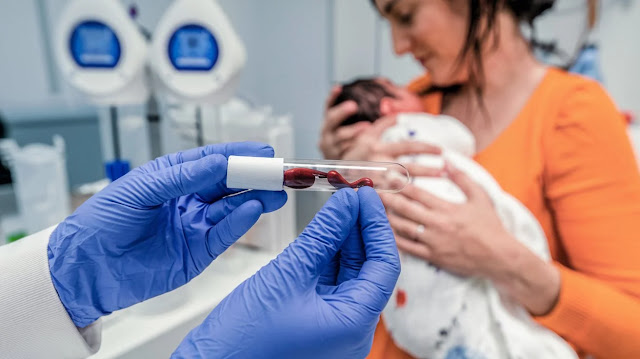
Category: Health and Injuries

  • The Lifesaving Benefits of Cord Blood Banking

    The Lifesaving Benefits of Cord Blood Banking

    The Lifesaving Benefits of Cord Blood Banking

    In recent years, cord blood banking has emerged as a revolutionary medical practice that offers immense potential for saving lives. Cord blood, which is the blood collected from the umbilical cord and placenta after childbirth, contains a rich source of stem cells that have unique regenerative capabilities. These stem cells can be used in a variety of medical treatments, including those for blood disorders, cancers, and immune deficiencies. As more research highlights the extraordinary applications of cord blood, its value continues to grow, making cord blood banking an essential consideration for expecting parents. This article delves into the lifesaving benefits of cord blood banking, its applications in modern medicine, and its potential for the future.

    The Lifesaving Benefits of Cord Blood Banking

    1. Understanding Cord Blood and Stem Cells

    Cord blood is the blood that remains in the umbilical cord and placenta after the birth of a baby. It is a rich source of hematopoietic stem cells (HSCs), which are responsible for forming all types of blood cells, including red blood cells, white blood cells, and platelets. These stem cells have a remarkable ability to regenerate and replace damaged or diseased cells in the body, making them highly valuable in treating a range of medical conditions.

    Stem cells from cord blood are different from the controversial embryonic stem cells. They are obtained ethically, without any harm to the mother or baby, and can be stored for future use in treatments. These cells are particularly valuable because they have not been exposed to environmental factors or diseases, making them less likely to cause complications when used in therapies.

    2. The Medical Applications of Cord Blood

    Cord blood banking holds tremendous potential in the field of regenerative medicine. The most common use of cord blood stem cells is in the treatment of blood-related diseases such as leukemia, lymphoma, and sickle cell anemia. To date, cord blood transplants have been used to treat over 80 different diseases. This includes various types of cancers, genetic disorders, and immune system deficiencies.

    2.1. Blood Disorders and Cancers

    One of the primary uses of cord blood stem cells is in treating cancers like leukemia and lymphoma. Traditional cancer treatments such as chemotherapy and radiation often destroy not only the cancer cells but also the patient’s healthy cells. Cord blood stem cell transplants can help restore the patient’s bone marrow and immune system, giving them a new lease on life.

    Additionally, cord blood stem cells have been used to treat conditions such as sickle cell anemia and thalassemia. These are genetic blood disorders where abnormal hemoglobin production affects the red blood cells. A successful stem cell transplant can help patients produce normal red blood cells, significantly improving their quality of life.

    2.2. Immune System Deficiencies

    Cord blood stem cells can also be used to treat inherited immune system disorders, such as severe combined immunodeficiency (SCID), also known as “bubble boy disease.” SCID is a rare genetic disorder where the immune system is severely compromised, leaving patients vulnerable to infections. A cord blood transplant can replace the defective immune system with healthy stem cells, helping the patient lead a normal, infection-free life.

    2.3. Metabolic and Genetic Disorders

    Beyond blood disorders and immune deficiencies, cord blood stem cells have been used to treat metabolic disorders such as Hurler syndrome and adrenoleukodystrophy (ALD). These conditions result from enzyme deficiencies that affect the body’s ability to break down certain substances, leading to severe developmental issues and even early death. Cord blood stem cell transplants can provide the missing enzymes or replace the damaged cells, giving patients a chance at a longer, healthier life.

    3. Advantages of Cord Blood Over Other Stem Cell Sources

    Cord blood offers several advantages over other stem cell sources, such as bone marrow or peripheral blood. These advantages make it a preferred option in many medical scenarios.

    3.1. Easier Collection and Storage

    Unlike bone marrow, which requires a surgical procedure to extract, cord blood is collected immediately after childbirth without any risk to the mother or baby. The collection process is quick and painless, making it a convenient option for families. Once collected, the cord blood can be processed and stored in a cord blood bank, where it can be cryogenically preserved for years or even decades.

    3.2. Lower Risk of Graft-Versus-Host Disease (GVHD)

    One of the major risks associated with stem cell transplants is graft-versus-host disease (GVHD), where the transplanted cells attack the recipient’s body. Cord blood stem cells have a lower likelihood of causing GVHD because they are less mature and have not been exposed to environmental antigens. This means that cord blood transplants are generally better tolerated by the recipient, even when the donor is not a perfect match.

    3.3. Increased Flexibility in Matching

    Cord blood transplants do not require an exact match between donor and recipient, unlike bone marrow transplants, which require a very close match. This flexibility in matching makes cord blood a valuable option for patients who may not be able to find a compatible bone marrow donor. Cord blood can be used in both related and unrelated transplants, offering more opportunities for successful treatment.

    4. Public vs. Private Cord Blood Banking

    When considering cord blood banking, parents have two main options: public and private banking. Each option has its advantages, and the decision depends on the family’s specific needs and circumstances.

    4.1. Public Cord Blood Banking

    Public cord blood banks operate similarly to organ donation programs. Parents can choose to donate their baby’s cord blood to a public bank, where it will be available for anyone who needs a transplant. Donating to a public bank is free, and the stored cord blood is available for use by researchers or patients around the world.

    The main advantage of public banking is that it increases the overall availability of stem cells for those in need. Many patients who require a stem cell transplant do not have a matching donor in their family, and public cord blood banks provide a crucial resource for these individuals.

    4.2. Private Cord Blood Banking

    Private cord blood banking allows families to store their baby’s cord blood for their own future use. While private banking can be costly, it gives families peace of mind knowing that they have a genetically matched source of stem cells readily available. This can be particularly beneficial for families with a history of certain genetic conditions or diseases that may require stem cell treatment in the future.

    Private cord blood banking is not guaranteed to be needed, but it serves as a form of biological insurance. If the family or a close relative ever needs a stem cell transplant, the stored cord blood can be accessed quickly, providing a potentially lifesaving treatment.

    5. The Future of Cord Blood Banking and Research

    Cord blood banking is a relatively young field, but ongoing research suggests that its potential applications are expanding. Scientists are continually discovering new ways to use stem cells from cord blood in regenerative medicine and tissue engineering.

    5.1. Emerging Treatments

    Researchers are exploring the use of cord blood stem cells in the treatment of conditions like autism, cerebral palsy, and Type 1 diabetes. While these treatments are still in the experimental stages, early results are promising. The regenerative properties of cord blood stem cells could help repair damaged tissue, reduce inflammation, and improve overall function in patients with these conditions.

    5.2. Gene Therapy and Personalized Medicine

    As the field of gene therapy advances, cord blood stem cells could play a critical role in developing personalized treatments. Researchers are investigating ways to modify stem cells to correct genetic mutations, offering a potential cure for hereditary diseases. The combination of cord blood banking and gene therapy could lead to groundbreaking treatments that target the root cause of many genetic disorders.

    5.3. Tissue Regeneration and Organ Repair

    Another exciting area of research is the use of cord blood stem cells in tissue regeneration and organ repair. Scientists are studying how stem cells can be used to grow new tissues or even whole organs, which could revolutionize the field of organ transplantation. Cord blood banking could provide the raw material needed for these advanced treatments, offering hope to patients with organ failure or severe injuries.

    Cord blood banking offers a unique and valuable opportunity to harness the regenerative power of stem cells for lifesaving treatments. With its proven success in treating blood disorders, cancers, and immune deficiencies, cord blood is already a critical resource in modern medicine. As research continues to unlock new applications for stem cells, the potential benefits of cord blood banking will only grow. Whether choosing public or private banking, parents have the chance to contribute to the future of medicine while securing a potential lifeline for their own families. The lifesaving benefits of cord blood banking are undeniable, making it an important consideration for every new parent.

  • Understanding the Benefits of Cord Blood Stem Cells

     Understanding the Benefits of Cord Blood Stem Cells

    Cord blood, which is the blood left in the umbilical cord and placenta after a baby is born, contains an abundance of stem cells. These stem cells are powerful and unique because they have the ability to develop into many different types of cells, making them an invaluable resource for medical treatments. Over the years, the medical community has increasingly recognized the potential of cord blood stem cells in treating a wide variety of diseases and conditions, leading to growing interest in cord blood banking and research.

    In this article, we will explore the many benefits of cord blood stem cells, the diseases they can treat, the advantages of using cord blood over other types of stem cells, and the future possibilities that these remarkable cells hold for medicine.

    Understanding the Benefits of Cord Blood Stem Cells

    What Are Cord Blood Stem Cells?

    Stem cells are the body’s raw materials from which all other cells with specialized functions are generated. They can divide to produce more stem cells or differentiate to become other types of cells, such as blood cells, brain cells, heart muscle cells, or bone cells. Cord blood stem cells, specifically hematopoietic stem cells (HSCs), are a type of stem cell that can develop into all kinds of blood cells, including red blood cells, white blood cells, and platelets.

    Cord blood stem cells are highly sought after because they can be collected painlessly at birth and stored for future use. Unlike other sources of stem cells, such as bone marrow or peripheral blood, the collection of cord blood does not require any invasive procedures, making it a risk-free process for both mother and baby. The potential medical applications of these cells are numerous and growing as research continues to reveal their therapeutic benefits.

    Benefits of Cord Blood Stem Cells in Treating Diseases

    One of the most well-known and established uses of cord blood stem cells is in the treatment of hematologic and immune system disorders. Since they can give rise to all types of blood cells, cord blood stem cells are used in stem cell transplants to regenerate healthy blood and immune systems in patients who have been treated for certain cancers, such as leukemia and lymphoma, as well as other diseases like sickle cell anemia and certain metabolic disorders.

    1. Leukemia and Lymphoma: Cord blood stem cell transplants have been used as a treatment for patients with leukemia and lymphoma. These cancers affect the blood and immune system, and a stem cell transplant can help rebuild the immune system and produce healthy blood cells after the cancerous cells are eradicated through chemotherapy or radiation therapy.
    2. Sickle Cell Anemia: Sickle cell anemia is a genetic blood disorder that causes red blood cells to take on an abnormal, crescent shape, leading to blockages in blood vessels and reduced oxygen flow to parts of the body. Cord blood stem cells have been successfully used in transplants to cure sickle cell anemia by replacing the defective blood cells with healthy ones produced by the transplanted stem cells.
    3. Metabolic Disorders: Inherited metabolic disorders such as Hurler syndrome, Krabbe disease, and adrenoleukodystrophy can also be treated using cord blood stem cell transplants. These disorders involve defective enzymes that prevent the body from properly processing certain substances, leading to a buildup of toxic materials in various organs. Stem cell transplants provide healthy cells capable of producing the missing or malfunctioning enzymes, potentially preventing or slowing the progression of these diseases.
    4. Immunodeficiencies: Severe combined immunodeficiency (SCID), sometimes referred to as “bubble boy disease,” is a condition in which babies are born without functioning immune systems. Cord blood stem cells can be transplanted to help rebuild the immune system, allowing the patient to fight infections and lead a relatively normal life.

    Cord blood stem cells offer a unique advantage in treating these diseases because they are less likely to cause complications compared to other sources of stem cells, such as bone marrow or peripheral blood. One of the key reasons for this is that cord blood stem cells are more “naïve” or immature, which makes them less likely to trigger an immune response in the recipient. As a result, the risk of graft-versus-host disease (GVHD), a condition where the transplanted cells attack the recipient’s body, is lower with cord blood transplants.

    Advantages of Cord Blood Stem Cells Over Other Stem Cell Sources

    There are several advantages of using cord blood stem cells over other types of stem cells, such as those derived from bone marrow or peripheral blood. These advantages make cord blood an attractive option for both current medical treatments and future research into regenerative medicine.

    1. Easier Collection Process: Unlike bone marrow or peripheral blood stem cell collection, which requires invasive procedures, the collection of cord blood is simple, painless, and risk-free. Cord blood is collected immediately after birth, and because it is a biological waste product, there is no harm to the mother or baby during the process.
    2. Lower Risk of Graft-versus-Host Disease: One of the biggest challenges in stem cell transplantation is the risk of graft-versus-host disease (GVHD), a serious complication that occurs when the transplanted cells recognize the recipient’s body as foreign and begin attacking it. Cord blood stem cells are more immunologically tolerant than adult stem cells, which means there is a lower risk of GVHD in recipients of cord blood transplants.
    3. Immediate Availability: Cord blood that has been banked and stored can be used immediately when needed for a transplant. In contrast, finding a suitable donor for bone marrow transplants can be time-consuming and difficult. With cord blood, there is no need to wait for a donor match, which can be critical in situations where time is of the essence, such as in cases of aggressive cancers or life-threatening conditions.
    4. Diverse Match Potential: Cord blood stem cells do not need to be as closely matched to the recipient as bone marrow or peripheral blood stem cells. This means that cord blood can be used even if there is only a partial match between the donor and recipient, increasing the likelihood of finding a suitable match for patients in need of a transplant.
    5. Long-Term Storage: Cord blood can be cryopreserved and stored for many years without losing its potency or ability to differentiate into other cell types. This means that a child whose cord blood has been banked at birth could potentially use it decades later if they develop a condition that requires a stem cell transplant.

    The Future of Cord Blood Stem Cells in Medicine

    While the current applications of cord blood stem cells are impressive, the future possibilities are even more exciting. Researchers are exploring new ways to use these cells in regenerative medicine, which involves repairing or replacing damaged tissues and organs.

    1. Neurological Disorders: Scientists are studying the potential of cord blood stem cells in treating neurological conditions such as cerebral palsy, autism, and traumatic brain injuries. Early clinical trials have shown promising results, with some patients experiencing improvements in motor function and cognitive abilities after receiving cord blood stem cell therapy.
    2. Heart Disease: Cord blood stem cells may also hold potential for treating heart disease. Researchers are investigating whether these cells can be used to repair damaged heart tissue following a heart attack or to improve heart function in patients with heart failure. Animal studies have shown that cord blood stem cells can help regenerate heart tissue, and human clinical trials are currently underway.
    3. Diabetes: Type 1 diabetes is an autoimmune disease in which the immune system attacks and destroys the insulin-producing cells in the pancreas. Cord blood stem cells are being studied for their ability to regenerate these insulin-producing cells, potentially offering a cure for type 1 diabetes. Early research has shown that cord blood stem cell therapy may help regulate blood sugar levels and reduce the need for insulin injections in some patients.
    4. Organ Regeneration: The ultimate goal of regenerative medicine is to create replacement organs and tissues from stem cells. Cord blood stem cells are being studied for their ability to differentiate into various types of cells, including liver, kidney, and lung cells. If successful, this research could lead to the development of lab-grown organs for transplantation, eliminating the need for organ donors and reducing the risk of organ rejection.

    Cord Blood Banking: A Growing Trend

    As the potential benefits of cord blood stem cells become more widely known, the practice of cord blood banking has grown in popularity. Cord blood banking involves collecting and storing a newborn’s cord blood for potential future use. There are two main types of cord blood banks: public and private.

    1. Public Cord Blood Banks: In public cord blood banks, donated cord blood is made available for anyone who needs it, similar to how blood donations work. Donating cord blood to a public bank is free, and the donated cord blood may be used for research or for transplants in patients who are a match. However, once donated, the family no longer has access to the cord blood.
    2. Private Cord Blood Banks: In private cord blood banks, families pay to store their child’s cord blood for their own personal use. This option ensures that the cord blood will be available to the family if needed in the future. However, private cord blood banking can be expensive, and the likelihood that the cord blood will ever be used by the family is relatively low.

    Cord blood stem cells offer a wealth of medical benefits, from treating life-threatening diseases like leukemia and sickle cell anemia to potentially revolutionizing regenerative medicine. Their unique properties, including ease of collection, lower risk of complications, and ability to be stored for long periods, make them a valuable resource in both current medical treatments and future research. As scientists continue to explore new applications for cord blood stem cells, the possibilities for improving human health and treating previously untreatable conditions are vast. Whether through public donation or private storage, the practice of cord blood banking is an investment in the future of medicine, offering hope for cures and treatments that were once thought impossible.

  • Choosing the Right Rehab Center: What to Look For

     Choosing the Right Rehab Center: What to Look For

    In today’s fast-paced world, issues related to addiction, mental health, and chronic illnesses are becoming increasingly common. People struggling with substance abuse, mental health disorders, or physical rehabilitation needs often require professional help to recover and lead fulfilling lives. One of the most effective ways to address these issues is by seeking help at a rehabilitation center. However, with a wide array of options available, choosing the right rehab center can feel like an overwhelming task. This article aims to guide you through the essential factors to consider when choosing the right rehab center for yourself or a loved one. 

    Choosing the Right Rehab Center: What to Look For

    1. Type of Rehabilitation Center

    The first and most critical step in selecting the right rehab center is identifying the type of rehabilitation service required. Rehab centers can be broadly categorized into the following types:

    • Substance Abuse Rehabilitation Centers: These centers are designed for individuals struggling with alcohol or drug addiction. They offer detox programs, therapy, and long-term recovery plans.
    • Mental Health Rehabilitation Centers: These facilities are designed to treat individuals with mental health disorders, such as depression, anxiety, PTSD, bipolar disorder, and schizophrenia. Treatment here typically includes medication, counseling, and therapeutic interventions.
    • Physical Rehabilitation Centers: Individuals recovering from surgeries, injuries, or chronic physical conditions may require physical therapy, occupational therapy, and other rehabilitative services provided by these centers.
    • Dual Diagnosis Centers: These centers specialize in treating individuals with both substance abuse issues and mental health disorders. A comprehensive, integrated treatment plan is essential for people dealing with co-occurring disorders.

    Understanding the type of rehabilitation required is the first step in narrowing down the options and finding the best-suited facility.

    2. Accreditation and Licensing

    Once the type of rehabilitation is determined, the next factor to consider is whether the center is accredited and licensed. Accreditation from recognized bodies such as the Joint Commission or the Commission on Accreditation of Rehabilitation Facilities (CARF) indicates that the center meets stringent quality standards in care and treatment. Licensing is equally crucial, as it ensures that the center adheres to state and national regulations for safety, staff qualifications, and treatment protocols.

    Accreditation and licensing should never be overlooked, as they are indicators of a facility’s commitment to high-quality care. You can verify the accreditation and licensing status by checking the center’s website or contacting relevant authorities.

    3. Customized Treatment Plans

    No two individuals are the same, and the causes, symptoms, and effects of addiction, mental health issues, or physical ailments can vary significantly from one person to another. For this reason, it is essential to choose a rehab center that offers personalized treatment plans tailored to individual needs. The best rehab centers perform comprehensive assessments, including medical, psychological, and behavioral evaluations, to develop customized treatment strategies.

    • Inpatient vs. Outpatient Programs: Some individuals may require residential care (inpatient), while others may benefit from outpatient programs. A good rehab center will offer flexibility and tailor their services to meet the client’s lifestyle and needs.
    • Duration of Treatment: Treatment duration can vary depending on the severity of the condition. Short-term treatment might last from a few weeks to a month, whereas long-term programs could last several months. Look for rehab centers that offer a variety of treatment durations based on the patient’s needs.

    4. Treatment Methods and Therapies

    Rehabilitation centers should offer a comprehensive range of evidence-based treatment modalities and therapies. These could include:

    • Behavioral Therapy: Cognitive-behavioral therapy (CBT) and dialectical behavior therapy (DBT) are among the most commonly used approaches for treating addiction and mental health issues.
    • Group Therapy: Group settings offer individuals the opportunity to share their experiences and support each other on the path to recovery.
    • Family Therapy: Addiction and mental health issues often affect the entire family. Centers that include family therapy can help mend relationships and educate family members about how to support their loved ones.
    • Alternative Therapies: Some centers offer holistic approaches, such as art therapy, yoga, meditation, acupuncture, and equine therapy, to complement traditional treatments.
    • Medication-Assisted Treatment (MAT): For those struggling with substance use, some facilities offer MAT, which combines behavioral therapy with medications to treat addiction.

    The more diverse the treatment offerings, the better the center will be able to meet your unique needs.

    5. Qualified and Experienced Staff

    The success of any rehab center depends significantly on the experience and qualifications of its staff. It is crucial to ensure that the rehab center has:

    • Certified and licensed therapists: Check if the counselors and therapists are certified by reputable boards and hold licenses relevant to their fields.
    • Medical professionals: For individuals requiring medical detox or other medical interventions, the presence of doctors and nurses is essential.
    • Support staff: Nursing staff, social workers, case managers, and other professionals should be part of the treatment team to ensure a well-rounded approach to care.

    It is beneficial to read staff bios and qualifications on the center’s website or request this information directly. A high-quality rehab center will have a multidisciplinary team of professionals dedicated to the recovery process.

    6. Aftercare and Continuing Support

    Recovery doesn’t end when the initial treatment is completed; ongoing support is vital for long-term success. The best rehab centers have robust aftercare programs to support individuals as they transition back into everyday life. These programs may include:

    • Follow-up counseling sessions: Regular therapy sessions post-treatment can help individuals stay on track.
    • Sober living homes: For individuals who require a structured environment before returning to daily life, sober living facilities offer a supportive setting.
    • Support groups: 12-step programs like Alcoholics Anonymous (AA) or Narcotics Anonymous (NA) provide peer support and accountability.

    A rehab center that provides a clear, structured aftercare plan increases the chances of maintaining sobriety and mental well-being in the long term.

    7. Facility Amenities

    While not the most crucial factor, the amenities offered by a rehab center can significantly affect the overall experience. Some centers provide luxurious accommodations, private rooms, fitness facilities, and gourmet meals, which can create a comfortable and stress-free environment for recovery. On the other hand, more basic rehab centers may focus solely on the essentials.

    It’s important to balance amenities with the quality of care and the level of treatment provided. While luxury can be appealing, the primary focus should always be on the treatment plan and the expertise of the staff.

    8. Location and Setting

    The location of the rehab center can also play a critical role in recovery. Some individuals prefer to stay close to home for support from family and friends, while others may benefit from a more remote or secluded environment, away from triggers and stressors. There are various options, such as:

    • Urban settings: For individuals who require access to city amenities or outpatient services.
    • Rural or secluded settings: A tranquil, nature-based environment can promote peace and self-reflection.
    • Destination rehab centers: Some centers are located in exotic locations, providing a retreat-like atmosphere for recovery.

    Choosing a location that aligns with your comfort and needs can make a significant difference in your recovery journey.

    9. Cost and Insurance Coverage

    Rehabilitation can be expensive, so cost is a significant factor when choosing a rehab center. Treatment costs vary widely based on factors like location, type of treatment, and length of stay. Some rehab centers may accept insurance coverage, which can offset a large portion of the costs. It’s essential to:

    • Check whether your insurance covers rehab services and which centers are within your network.
    • Inquire about the center’s payment plans, financing options, or sliding scale fees if insurance doesn’t cover all costs.
    • Consider the value of long-term recovery versus short-term costs. Investing in a high-quality rehab center may prevent future relapses and additional expenses down the road.

    10. Success Rates and Testimonials

    Many rehab centers provide statistics about their success rates, but it’s important to be cautious. While high success rates are appealing, they don’t always tell the full story. Success is subjective and can be measured in various ways. Instead of relying solely on statistics, look for:

    • Patient testimonials: Real stories from former patients can give you insight into the center’s treatment approach and its effectiveness.
    • Referrals from trusted sources: Doctors, therapists, or friends who have experienced rehab themselves may offer valuable recommendations.
    • Online reviews: While not always reliable, reviews can provide general feedback about the quality of care at a rehab center.

    11. Cultural and Religious Considerations

    Some individuals prefer rehab centers that align with their cultural or religious values. Many centers cater to specific communities, offering faith-based programs, or incorporating spiritual practices into the recovery process. If cultural sensitivity is important to you, inquire about how the center incorporates cultural or religious beliefs into their treatment plans.

    12. Family Involvement

    Addiction and mental health issues affect not just the individual, but their family as well. Some rehab centers offer family therapy and educational programs to help families understand the recovery process and learn how to support their loved one. Centers that involve the family in treatment can improve long-term recovery outcomes and restore family relationships.

    Choosing the right rehab center is a deeply personal decision that requires careful consideration of various factors. From accreditation and treatment methods to location and cost, every aspect plays a critical role in ensuring a successful recovery. By doing thorough research and asking the right questions, you can find a rehab center that meets your specific needs and sets you or your loved one on the path to healing. Recovery is a journey, and finding the right support system is the first step toward a healthier, happier life.
  • Emerging Cancer Treatments That Show Promise

     Emerging Cancer Treatments That Show Promise

    Cancer remains one of the most challenging diseases of the 21st century. As it continues to affect millions of people globally, the medical community has made tremendous strides in developing innovative treatments to fight it. Traditional cancer treatments, such as surgery, radiation therapy, and chemotherapy, have been the cornerstone of cancer care for decades. However, these methods come with significant side effects and often face limitations in their effectiveness, especially in advanced or drug-resistant cancers. In recent years, emerging cancer treatments have shown great promise in improving outcomes, reducing side effects, and targeting cancer cells more precisely. This article explores several promising emerging cancer treatments that may revolutionize the future of cancer therapy.

    Emerging Cancer Treatments That Show Promise

    1. Immunotherapy

    One of the most groundbreaking advances in cancer treatment is immunotherapy, which harnesses the body’s immune system to fight cancer cells. Unlike traditional treatments, which directly target the tumor, immunotherapy strengthens the immune system to recognize and destroy cancer cells.

    A. Immune Checkpoint Inhibitors

    Immune checkpoints are proteins on immune cells that act as brakes, preventing the immune system from attacking healthy cells. Cancer cells can exploit these checkpoints to avoid being targeted by the immune system. Immune checkpoint inhibitors are drugs that block these checkpoints, allowing the immune system to attack cancer cells more effectively.

    Checkpoint inhibitors targeting proteins such as PD-1, PD-L1, and CTLA-4 have shown significant success in treating cancers like melanoma, lung cancer, and bladder cancer. Drugs like pembrolizumab (Keytruda) and nivolumab (Opdivo) have already gained FDA approval and are being used in clinical practice. These therapies have led to long-term remissions in some patients with advanced cancers, offering hope to those with previously untreatable malignancies.

    B. CAR T-Cell Therapy

    Chimeric Antigen Receptor (CAR) T-cell therapy is another promising form of immunotherapy. This treatment involves genetically modifying a patient’s T-cells, a type of immune cell, to express a receptor that specifically targets cancer cells. Once these engineered T-cells are infused back into the patient’s body, they can recognize and destroy cancer cells.

    CAR T-cell therapy has been particularly successful in treating certain blood cancers, such as acute lymphoblastic leukemia (ALL) and diffuse large B-cell lymphoma (DLBCL). Two CAR T-cell therapies, Kymriah (tisagenlecleucel) and Yescarta (axicabtagene ciloleucel), have been approved by the FDA and have demonstrated remarkable efficacy in patients who have not responded to other treatments.

    Despite its success in blood cancers, CAR T-cell therapy has faced challenges in treating solid tumors due to difficulties in targeting specific cancer antigens and the immunosuppressive tumor microenvironment. However, ongoing research aims to overcome these obstacles and expand the application of CAR T-cell therapy to a broader range of cancers.

    2. Targeted Therapy

    Targeted therapy represents a more precise approach to cancer treatment compared to chemotherapy, which affects both cancerous and healthy cells. Targeted therapies are designed to interfere with specific molecules involved in cancer cell growth, survival, and spread. By focusing on these molecular targets, these treatments aim to kill cancer cells while minimizing damage to normal cells.

    A. Tyrosine Kinase Inhibitors (TKIs)

    Tyrosine kinases are enzymes that play a critical role in cellular signaling pathways, controlling cell growth and division. In many cancers, these pathways become overactive, leading to uncontrolled cell proliferation. Tyrosine kinase inhibitors (TKIs) are drugs that block these overactive enzymes, thereby halting cancer progression.

    One of the most well-known examples of a TKI is imatinib (Gleevec), which revolutionized the treatment of chronic myeloid leukemia (CML) by targeting the BCR-ABL fusion protein, a specific abnormality found in CML cells. Other TKIs, such as erlotinib (Tarceva) and osimertinib (Tagrisso), have shown success in treating lung cancers with mutations in the EGFR gene.

    Targeted therapies are also being developed to target other specific mutations, such as ALK, ROS1, and BRAF mutations, which are found in various cancers. These therapies offer a more personalized approach to cancer treatment, as they are tailored to the genetic makeup of the individual’s tumor.

    B. PARP Inhibitors

    Poly (ADP-ribose) polymerase (PARP) inhibitors are a class of targeted therapies that exploit cancer cells’ impaired ability to repair DNA damage. Cancer cells often rely on certain DNA repair pathways to survive, particularly those with mutations in the BRCA1 and BRCA2 genes, which are involved in repairing damaged DNA. PARP inhibitors block an alternative DNA repair pathway, causing cancer cells to accumulate lethal levels of DNA damage and die.

    PARP inhibitors, such as olaparib (Lynparza) and niraparib (Zejula), have shown effectiveness in treating ovarian, breast, and prostate cancers, particularly in patients with BRCA mutations. These drugs are now being tested in clinical trials for other cancer types as well.

    3. Gene Therapy

    Gene therapy is an exciting area of cancer research that aims to correct or modify genetic abnormalities driving cancer development. By altering the DNA within cancer cells or introducing new genes into the body, gene therapy seeks to treat or even cure cancer at the molecular level.

    A. CRISPR-Cas9 Technology

    The CRISPR-Cas9 gene-editing tool has garnered widespread attention for its potential to edit specific genes within cancer cells. This technology allows researchers to precisely target and cut DNA at desired locations, enabling the correction of genetic mutations or the disruption of genes that promote cancer growth.

    Researchers are investigating the use of CRISPR-Cas9 to directly edit cancer-related genes in tumors and enhance the immune system’s ability to target cancer cells. Early-stage clinical trials are exploring the safety and efficacy of CRISPR-based therapies in treating cancers such as lung cancer, melanoma, and multiple myeloma. Although CRISPR is still in its infancy as a cancer treatment, its potential for revolutionizing cancer therapy is immense.

    B. Oncolytic Virus Therapy

    Oncolytic virus therapy uses genetically engineered viruses to selectively infect and kill cancer cells while leaving normal cells unharmed. Once inside the cancer cells, the viruses replicate, causing the cells to burst and die. Additionally, the release of viral particles and tumor antigens can stimulate an immune response, further enhancing the body’s ability to attack the cancer.

    Talimogene laherparepvec (T-VEC), a modified herpes simplex virus, became the first FDA-approved oncolytic virus therapy for the treatment of melanoma. Ongoing research is exploring the use of other oncolytic viruses to treat different types of cancer, including glioblastoma, colorectal cancer, and pancreatic cancer.

    4. Personalized Medicine

    Personalized medicine, also known as precision medicine, is an approach that tailors cancer treatment to the individual characteristics of each patient and their tumor. By analyzing the genetic, molecular, and environmental factors unique to the patient, doctors can develop a treatment plan that is more effective and has fewer side effects.

    A. Liquid Biopsies

    Liquid biopsies are a less invasive alternative to traditional tissue biopsies and offer a promising tool for personalized cancer care. These tests analyze small amounts of tumor DNA circulating in the blood to detect genetic mutations and monitor cancer progression in real time.

    Liquid biopsies can help identify genetic mutations that make cancer cells susceptible to specific targeted therapies, allowing for more personalized treatment decisions. They are also being used to monitor treatment response and detect early signs of relapse, enabling timely adjustments to the treatment plan.

    B. Tumor Mutational Burden (TMB)

    Tumor mutational burden (TMB) is a measure of the number of mutations present in a tumor’s DNA. Research has shown that tumors with a high mutational burden are more likely to respond to immunotherapy, as the increased number of mutations makes the cancer cells more recognizable to the immune system.

    TMB is emerging as an important biomarker in guiding treatment decisions, particularly in the use of immune checkpoint inhibitors. As researchers continue to explore the role of TMB in different cancer types, it may become a standard tool in the personalization of immunotherapy treatments.

    5. Epigenetic Therapies

    Epigenetic changes are modifications to the DNA that do not alter the genetic sequence but affect gene expression. These changes can play a significant role in cancer development by turning on oncogenes or turning off tumor suppressor genes. Epigenetic therapies aim to reverse these abnormal changes and restore normal gene function.

    A. DNA Methylation Inhibitors

    DNA methylation is a process that involves adding a chemical group to DNA, which can silence gene expression. In some cancers, tumor suppressor genes are silenced through abnormal DNA methylation. DNA methylation inhibitors, such as azacitidine (Vidaza) and decitabine (Dacogen), work by reversing this process and reactivating the expression of silenced tumor suppressor genes.

    These drugs have shown effectiveness in treating blood cancers, such as myelodysplastic syndromes (MDS) and acute myeloid leukemia (AML), and are being studied for their potential in treating solid tumors.

    B. Histone Deacetylase (HDAC) Inhibitors

    Histone deacetylase (HDAC) inhibitors are another class of epigenetic therapies that affect the structure of chromatin, the material that makes up chromosomes. By inhibiting HDAC enzymes, these drugs can restore the expression of genes that regulate cell growth and differentiation.

    HDAC inhibitors, such as vorinostat (Zolinza) and romidepsin (Istodax), have been approved for the treatment of certain lymphomas. Researchers are now investigating their use in combination with other therapies, such as immunotherapy and chemotherapy, to enhance their effectiveness in treating various cancers.

    The landscape of cancer treatment is rapidly evolving, with emerging therapies offering new hope for patients with even the most challenging cancers. Immunotherapy, targeted therapy, gene therapy, personalized medicine, and epigenetic therapies are among the most promising advances in cancer care. While these treatments have already shown remarkable success in certain types of cancer, ongoing research is expanding their applicability and improving their efficacy.

    As these emerging treatments continue to be refined and integrated into clinical practice, the future of cancer treatment looks brighter than ever. The combination of innovative therapies, personalized approaches, and cutting-edge technologies may one day make cancer a manageable, if not curable, disease for patients worldwide. However, challenges remain, including the need for further research, better biomarkers, and strategies to overcome drug resistance. Nonetheless, the progress made so far gives us reason to be optimistic about the future of cancer care.

  • The Safety of FDA-Approved Weight Loss Pills: A Comprehensive Review

     The Safety of FDA-Approved Weight Loss Pills: A Comprehensive Review

    In recent years, the issue of obesity has gained widespread attention due to its growing prevalence and association with numerous health problems such as heart disease, diabetes, and certain cancers. As a result, more individuals are seeking solutions to manage their weight, and for many, weight loss medications offer a viable option. The U.S. Food and Drug Administration (FDA) plays a pivotal role in ensuring the safety and efficacy of such drugs. However, despite being FDA-approved, questions about the long-term safety of weight loss pills persist.

    This article provides a comprehensive review of FDA-approved weight loss pills, examining their safety profiles, mechanisms of action, side effects, and long-term efficacy. It aims to help individuals make informed decisions about the use of these medications as part of their weight management plan.

    The Safety of FDA-Approved Weight Loss Pills: A Comprehensive Review

    Understanding FDA Approval

    The FDA is responsible for regulating and supervising the safety of food, drugs, medical devices, and other health-related products in the United States. FDA approval of a drug means that it has undergone rigorous clinical trials and scientific evaluations to ensure it is safe and effective for its intended use. However, this does not mean the drug is without risks, as even FDA-approved medications can have side effects or cause harm if misused.

    Before granting approval, the FDA assesses weight loss medications for their ability to help patients lose a clinically significant amount of weight compared to a placebo, as well as their safety profile. This includes analyzing side effects, potential risks, and the overall benefit-risk balance.

    Types of FDA-Approved Weight Loss Pills

    FDA-approved weight loss pills are generally divided into two categories:

    1. Appetite Suppressants – These medications work by decreasing appetite or increasing feelings of fullness, thus helping individuals reduce their caloric intake. Some examples include:
      • Phentermine (Adipex-P, Lomaira)
      • Phentermine-Topiramate (Qsymia)
      • Lorcaserin (Belviq – withdrawn from the market in 2020)
    2. Fat Absorption Inhibitors – These drugs work by preventing the body from absorbing a portion of the fat from food, which is then excreted in the stool. The most commonly known drug in this category is:
      • Orlistat (Xenical, Alli – over-the-counter version)

    More recently, GLP-1 receptor agonists like Semaglutide (Wegovy) have been approved for weight loss. These medications, originally developed for diabetes management, mimic hormones that regulate appetite and food intake.

    Mechanisms of Action

    1. Appetite Suppressants: Phentermine, for example, is a sympathomimetic amine, similar to an amphetamine, that affects the central nervous system, leading to reduced appetite. When combined with Topiramate (an anticonvulsant), as seen in Qsymia, it enhances weight loss through multiple pathways, including appetite reduction and increased feelings of satiety.
    2. Fat Absorption Inhibitors: Orlistat works by inhibiting lipase, an enzyme required for breaking down dietary fats in the intestine. Without lipase, fats are not absorbed but instead pass through the body undigested. As a result, caloric intake is reduced.
    3. GLP-1 Agonists: Drugs like Semaglutide mimic the action of glucagon-like peptide-1, a hormone that targets areas of the brain responsible for appetite control. This reduces food intake and promotes weight loss.

    Safety of FDA-Approved Weight Loss Pills

    While these medications have been deemed safe for use by the FDA, safety is relative, and all drugs come with potential risks. The safety profile of each medication is influenced by various factors, including individual health conditions, potential interactions with other medications, and adherence to prescribed doses. Let’s take a closer look at the safety of some popular FDA-approved weight loss medications.

    1. Phentermine (Adipex-P, Lomaira)

    Phentermine is one of the most commonly prescribed weight loss medications, approved for short-term use. It works by stimulating the release of certain chemicals in the brain that reduce hunger. However, since it is chemically similar to amphetamines, phentermine can be habit-forming and has a risk of misuse.

    Side Effects:

    • Increased heart rate
    • High blood pressure
    • Insomnia
    • Nervousness
    • Dry mouth
    • Constipation

    Phentermine is not recommended for individuals with a history of heart disease, stroke, uncontrolled high blood pressure, or hyperthyroidism, as it can exacerbate these conditions. Long-term safety data for phentermine is limited since the FDA approves it for short-term use (up to 12 weeks).

    2. Phentermine-Topiramate (Qsymia)

    Qsymia combines phentermine with topiramate, an anticonvulsant, to enhance weight loss. This combination has been shown to lead to greater weight loss than phentermine alone. However, it also increases the potential for side effects.

    Side Effects:

    • Paresthesia (tingling in hands and feet)
    • Dizziness
    • Insomnia
    • Cognitive issues (difficulty with memory and attention)
    • Increased heart rate
    • Constipation

    Pregnant women should avoid Qsymia, as topiramate is associated with an increased risk of congenital malformations (birth defects). As with phentermine alone, individuals with cardiovascular conditions should use Qsymia cautiously.

    3. Orlistat (Xenical, Alli)

    Orlistat is considered relatively safe and is available over the counter in a lower dose as Alli. It is one of the few weight loss medications approved for long-term use. The primary concern with orlistat is its gastrointestinal side effects, which are related to its mechanism of action in inhibiting fat absorption.

    Side Effects:

    • Oily or fatty stools
    • Frequent bowel movements or difficulty controlling them
    • Abdominal pain
    • Flatulence
    • Fat-soluble vitamin deficiencies (A, D, E, K)

    Due to the risk of vitamin deficiencies, individuals taking orlistat are often advised to take a multivitamin supplement. Additionally, orlistat is not suitable for individuals with certain digestive conditions, such as malabsorption syndrome.

    4. Lorcaserin (Belviq)

    Lorcaserin was approved by the FDA as a weight loss medication that worked by targeting serotonin receptors in the brain, specifically the 5-HT2C receptor, which is involved in appetite regulation. However, in 2020, Belviq was voluntarily withdrawn from the U.S. market after a clinical trial showed an increased risk of cancer in individuals using the drug.

    Side Effects Before Withdrawal:

    • Headache
    • Dizziness
    • Fatigue
    • Nausea
    • Dry mouth
    • Constipation

    The withdrawal of lorcaserin highlights that even FDA-approved drugs can later be found to have serious safety concerns.

    5. Semaglutide (Wegovy)

    Semaglutide, originally developed for the treatment of type 2 diabetes, was approved by the FDA in 2021 for chronic weight management. It has been shown to help individuals lose significant weight, making it one of the most effective weight loss medications available.

    Side Effects:

    • Nausea
    • Vomiting
    • Diarrhea
    • Constipation
    • Abdominal pain
    • Increased risk of thyroid tumors (in animal studies)

    While semaglutide has shown promising results in clinical trials, its long-term safety for weight management is still being evaluated. There is also a black box warning regarding the potential risk of thyroid C-cell tumors based on animal studies.

    Long-Term Safety Considerations

    FDA approval of weight loss medications often focuses on short-term efficacy and safety data from clinical trials. However, long-term safety is a key concern for individuals using these drugs for extended periods. For some drugs, like orlistat, long-term data supports their use, while for others, such as phentermine and Qsymia, safety beyond the recommended treatment duration remains less well understood.

    Potential long-term risks include:

    • Cardiovascular events (heart attack, stroke)
    • Mental health issues (depression, anxiety)
    • Development of tolerance and dependence (with appetite suppressants)
    • Nutrient deficiencies (particularly with fat blockers like orlistat)

    Patients are generally advised to use weight loss medications as part of a comprehensive weight management program that includes diet, exercise, and behavioral modifications. Additionally, close monitoring by healthcare professionals is essential to manage any side effects and to reassess the necessity of continuing medication over time.

    FDA-approved weight loss pills can be a valuable tool for individuals struggling with obesity, particularly when lifestyle changes alone have not been sufficient. However, these medications are not without risks, and their safety depends on proper use, individual health conditions, and long-term monitoring. While medications like orlistat have a longer safety record, others, like phentermine, come with the potential for side effects and misuse.

    It is crucial for individuals considering weight loss medications to consult with a healthcare provider to weigh the potential benefits against the risks. Medications should be seen as part of a broader strategy for achieving and maintaining a healthy weight, rather than as a standalone solution. As research continues, further insights into the long-term safety of these drugs will help refine their role in obesity treatment.

    In summary, while FDA approval provides a level of assurance regarding the safety and efficacy of weight loss pills, it is essential to approach their use cautiously and under medical supervision to minimize risks and maximize benefits.

  • Investing in Biotech Stocks: Tips and Insights

     Investing in Biotech Stocks: Tips and Insights

    Biotechnology is one of the most exciting and rapidly advancing sectors of the stock market, driven by innovation, research, and the relentless pursuit of medical and scientific breakthroughs. For investors, the biotech industry presents both substantial opportunities and significant risks. Investing in biotech stocks can lead to explosive growth if a company makes a medical breakthrough, but it can also result in sharp losses if clinical trials fail or regulatory approval is denied. In this comprehensive guide, we’ll explore the intricacies of investing in biotech stocks, offering key insights, tips, and factors to consider before diving into this dynamic market.

    Investing in Biotech Stocks: Tips and Insights

    1. Understanding the Biotechnology Industry

    Biotechnology, or biotech, refers to the use of biological processes, organisms, or systems to develop products and technologies that improve health, agriculture, and other sectors. Biotech companies are typically involved in researching and developing new drugs, therapies, diagnostics, or medical devices. The industry is primarily driven by innovation and the scientific discovery process, often focusing on the following areas:

    • Pharmaceuticals: Developing new drugs and therapies to treat diseases, including rare or life-threatening conditions like cancer, diabetes, and Alzheimer’s.
    • Genomics: Studying genes and genetic information to understand diseases at the molecular level, paving the way for personalized medicine.
    • Biopharmaceuticals: Developing biologically derived drugs, such as antibodies, vaccines, or cell therapies, often referred to as biologics.
    • Diagnostics: Creating tools to diagnose diseases earlier and more accurately, improving patient outcomes and guiding treatment decisions.
    • Agricultural Biotechnology: Using biotech in agriculture to improve crop yields, resistance to diseases, and the development of genetically modified organisms (GMOs).

    2. Why Invest in Biotech Stocks?

    Biotech stocks are attractive for several reasons:

    a. High Growth Potential

    The biotech industry has the potential for exponential growth. A successful drug or therapy can transform a small biotech company into a major player overnight, offering massive returns to early investors. If a company’s drug successfully passes clinical trials and receives regulatory approval, its stock price can skyrocket.

    b. Medical Breakthroughs and Innovation

    The biotech sector is at the forefront of innovation in healthcare. Advancements in genomics, gene therapy, immunotherapy, and artificial intelligence (AI) are driving new treatments and technologies, making biotech a key player in the future of medicine.

    c. Increasing Demand for Healthcare

    An aging population, rising incidence of chronic diseases, and increasing healthcare needs globally are fueling demand for new therapies and treatments. The COVID-19 pandemic, for example, highlighted the crucial role biotech companies play in responding to health crises by rapidly developing vaccines and treatments.

    d. Mergers and Acquisitions (M&A)

    The biotech industry is frequently targeted for mergers and acquisitions by larger pharmaceutical companies. Big pharma often looks to biotech firms for new drugs and technologies to bolster their pipelines. For investors, this can result in a significant stock price increase if the biotech company becomes an acquisition target.

    3. Risks Associated with Biotech Stocks

    While the potential for high returns in biotech investing is significant, so are the risks. Here are some key risks to consider:

    a. Clinical Trial Failures

    Biotech companies often rely on the success of clinical trials for their drugs or therapies. However, many drugs fail to make it through the lengthy and expensive trial process. If a company’s drug fails in clinical trials, its stock can plummet, causing substantial losses for investors.

    b. Regulatory Risk

    Even if a drug passes clinical trials, it still needs to gain regulatory approval from agencies like the U.S. Food and Drug Administration (FDA) or the European Medicines Agency (EMA). Regulatory approval is not guaranteed, and setbacks such as additional trial requirements or outright rejection can lead to sharp stock price declines.

    c. Capital Intensity

    Biotech companies often require significant amounts of capital to fund research, development, and clinical trials. Many smaller biotech firms operate at a loss for years before generating any revenue. As a result, they may need to raise additional funds through stock offerings, diluting existing shareholders’ equity.

    d. Market Volatility

    Biotech stocks are known for their volatility. Small-cap biotech companies, in particular, can experience significant price swings based on news, trial results, or market sentiment. While this volatility can create opportunities for traders, it can also lead to substantial losses if not carefully managed.

    4. Key Factors to Consider When Investing in Biotech Stocks

    Given the inherent risks, it’s important to approach biotech investing with careful research and a well-thought-out strategy. Here are some key factors to consider:

    a. Clinical Trial Pipeline

    One of the most critical factors when evaluating a biotech stock is the company’s clinical trial pipeline. Investors should look at the drugs or therapies the company is developing and assess the potential of these products to succeed. Key things to examine include:

    • Stage of Development: Drugs go through several phases of clinical trials (Phase I, II, III) before reaching the market. Drugs in later stages of development have a higher probability of success, but may already be priced into the stock.
    • Indication: What condition is the drug intended to treat? The larger the market for the condition, the bigger the potential payoff if the drug is successful.
    • Competition: Are there already other drugs on the market for the same condition? If so, what advantages does the new drug have?

    b. Financial Health

    Biotech companies often require large amounts of capital for research and development. It’s important to analyze the financial health of the company, including:

    • Cash Reserves: How much cash does the company have on hand? Is it enough to fund its operations and clinical trials for the next few years?
    • Burn Rate: How quickly is the company using up its cash? Companies with a high burn rate may need to raise additional capital, which can dilute existing shareholders.
    • Revenue: Many biotech companies operate without generating revenue for years, but some may have partnerships, licensing deals, or early-stage products that generate revenue.

    c. Partnerships and Collaborations

    Biotech companies often partner with larger pharmaceutical companies to co-develop drugs or receive funding. Partnerships can provide financial support, expertise, and credibility, which can de-risk an investment. Positive partnerships or licensing deals can also lead to revenue-sharing agreements that benefit the biotech company.

    d. Management Team

    The management team is crucial to the success of any biotech company. Look for experienced leaders with a track record of success in bringing drugs to market, securing partnerships, and navigating the regulatory landscape. A strong team can make a significant difference in a company’s ability to overcome challenges.

    e. Intellectual Property (IP)

    A biotech company’s intellectual property, particularly its patents, is one of its most valuable assets. Patents provide exclusive rights to develop and sell a drug or therapy, preventing competitors from entering the market. Investors should assess the strength and duration of a company’s patent portfolio.

    5. Types of Biotech Stocks

    Biotech stocks come in different sizes and types, each with its own risk-reward profile:

    a. Large-Cap Biotech Stocks

    Large-cap biotech companies are well-established, often have multiple products on the market, and generate significant revenue. Examples include companies like Amgen, Gilead Sciences, and Biogen. These stocks tend to be less volatile than small-cap biotech companies, but their growth potential may be lower.

    b. Mid-Cap Biotech Stocks

    Mid-cap biotech stocks are often companies with a few products on the market or in late-stage development. They offer a balance between growth potential and risk, with more room for upside than large-cap stocks, but less volatility than small-cap stocks.

    c. Small-Cap and Micro-Cap Biotech Stocks

    Small-cap and micro-cap biotech companies are usually early-stage firms focused on developing new drugs or therapies. They typically have little to no revenue and are heavily reliant on clinical trial success. While these stocks offer the potential for significant gains, they also come with higher risk and volatility.

    6. Diversification in Biotech Investing

    Given the high-risk nature of biotech stocks, diversification is crucial. Instead of investing all your capital in one or two companies, consider building a diversified portfolio of biotech stocks across different sub-sectors (e.g., pharmaceuticals, diagnostics, gene therapy) and company sizes (large-cap, mid-cap, small-cap).

    Additionally, some investors may choose to invest in biotech-focused exchange-traded funds (ETFs), which offer exposure to a broad range of biotech companies. Examples of biotech ETFs include:

    • iShares NASDAQ Biotechnology ETF (IBB): Tracks the performance of a wide range of biotech companies listed on the NASDAQ.
    • SPDR S&P Biotech ETF (XBI): Includes biotech stocks from the S&P Biotechnology Select Industry Index, with more emphasis on small- and mid-cap stocks.

    7. Regulatory and Political Factors

    Biotech companies operate in a highly regulated environment. Regulatory agencies like the FDA play a significant role in the approval process for new drugs. Investors should stay informed about changes in regulatory policies, as these can have a major impact on biotech companies.

    Political factors, such as healthcare reforms, drug pricing debates, and government funding for medical research, can also affect the biotech industry. For example, efforts to lower drug prices could pressure biotech companies’ profit margins, while increased funding for research could support innovation and growth.

    8. Staying Informed

    Investing in biotech stocks requires staying informed about the latest developments in the industry. Clinical trial results, regulatory decisions, scientific breakthroughs, and competitive pressures can all impact stock prices. Investors should regularly review biotech news, read clinical trial reports, and follow industry conferences such as the JP Morgan Healthcare Conference, which often includes important announcements from biotech companies.

    Investing in biotech stocks can be highly rewarding but requires a careful approach. The industry is full of opportunities, driven by innovation and the pursuit of medical breakthroughs, but it also comes with significant risks, including clinical trial failures, regulatory hurdles, and market volatility. By thoroughly researching companies, understanding the drug development process, and diversifying your portfolio, you can navigate the complexities of biotech investing and potentially reap substantial rewards.

    For investors with a long-term perspective and a tolerance for risk, the biotech sector offers the possibility of outsized returns, especially as the industry continues to play a leading role in addressing global healthcare challenges.

  • What to Expect During Rehab: A Comprehensive Guide

     What to Expect During Rehab: A Comprehensive Guide


    Entering rehabilitation (rehab) is a crucial step in the journey toward recovery from addiction or other mental health challenges. While the prospect of rehab can be daunting, understanding what to expect can help alleviate fear and anxiety. Rehab offers a structured environment for individuals to confront their issues, develop coping mechanisms, and work towards a healthier, sober life. This comprehensive guide will walk you through what you can expect during rehab, including the various stages, types of treatment programs, therapies offered, and how to prepare for this life-changing experience.

    What to Expect During Rehab: A Comprehensive Guide

    1. Types of Rehab Programs


    Rehab is not a one-size-fits-all approach. Different programs cater to different needs, and choosing the right one depends on the severity of the addiction, personal circumstances, and the individual’s specific requirements.

    • Inpatient Rehab
      Inpatient rehab, also known as residential treatment, involves living at a rehab facility for an extended period, usually ranging from 30 to 90 days, but it can be longer depending on the individual’s needs. This type of program is best for those with severe addictions or co-occurring mental health disorders, as it provides a highly structured environment free from external triggers.

    • Outpatient Rehab
      Outpatient rehab allows individuals to live at home while attending treatment sessions at a rehab facility. This option is ideal for those with milder addictions or who have completed an inpatient program and require ongoing support. Outpatient programs offer more flexibility, allowing individuals to maintain work or family obligations while receiving treatment.

    • Partial Hospitalization Programs (PHP)
      PHPs offer a middle ground between inpatient and outpatient treatment. Patients attend a rehab facility for several hours each day for intensive therapy but return home at night. This program is suitable for individuals who need more structure than outpatient care but do not require round-the-clock supervision.

    • Intensive Outpatient Programs (IOP)
      IOPs are a step down from PHPs and involve fewer hours of therapy each week. These programs are often used as a transition from inpatient rehab to help individuals adjust to life outside of treatment while still receiving support.

    2. The Intake and Assessment Process


    The rehab process typically begins with an intake and assessment phase. During this stage, medical and mental health professionals will evaluate your condition, including the severity of your addiction, any co-occurring disorders, and your overall physical and mental health. This assessment helps create a personalized treatment plan tailored to your specific needs.

    • Medical Assessment
      A thorough medical evaluation is conducted to assess your overall health, including any physical complications related to addiction. Blood tests, physical exams, and screenings for co-occurring conditions (such as anxiety or depression) may be part of this assessment. This evaluation ensures that any underlying health issues are addressed during treatment.

    • Psychological Evaluation
      A mental health professional will evaluate your psychological state, including your history of substance abuse, any past trauma, and current mental health conditions. This evaluation helps determine the best therapeutic approach for your treatment.

    • Developing a Treatment Plan
      Based on the assessments, a customized treatment plan is created. This plan will include the types of therapy you will participate in, the duration of your treatment, and any medications or medical interventions that may be necessary. The plan is designed to address your specific challenges and goals for recovery.

    3. Detoxification (Detox)


    For many entering rehab, the first step is detoxification, or detox. Detox is the process of clearing the body of drugs or alcohol and managing withdrawal symptoms. Depending on the substance and the severity of the addiction, detox can last anywhere from a few days to a couple of weeks.

    • Medical Detox
      Medical detox is supervised by healthcare professionals who can provide medication to ease withdrawal symptoms and ensure the process is as safe and comfortable as possible. For substances like alcohol, benzodiazepines, and opioids, medical detox is often necessary due to the potentially dangerous withdrawal symptoms associated with these substances.

    • Withdrawal Symptoms
      Withdrawal symptoms vary depending on the substance used and the duration of use. Common symptoms include anxiety, sweating, nausea, headaches, insomnia, and irritability. In more severe cases, individuals may experience seizures, hallucinations, or delirium tremens (DTs). Medical supervision during detox ensures that these symptoms are managed safely.

    • Emotional Support
      Detox can be an emotionally challenging experience, as individuals confront the reality of their addiction and begin the journey to recovery. Emotional support from counselors and peers can be vital during this stage, helping individuals stay motivated and focused on their recovery goals.

    4. Therapy and Counseling


    Therapy is the cornerstone of rehab, providing individuals with the tools and strategies they need to maintain sobriety. A variety of therapeutic approaches are used in rehab, each designed to address different aspects of addiction and mental health.

    • Individual Therapy
      One-on-one therapy sessions allow individuals to explore the underlying causes of their addiction, such as past trauma, unresolved emotional pain, or co-occurring mental health disorders. Cognitive-behavioral therapy (CBT) is one of the most common approaches used in individual therapy, helping individuals recognize and change negative thought patterns and behaviors that contribute to addiction.

    • Group Therapy
      Group therapy is a key component of most rehab programs, offering a supportive environment where individuals can share their experiences, learn from others, and build a sense of community. Group therapy helps reduce feelings of isolation and provides opportunities for peer support and accountability.

    • Family Therapy
      Addiction affects not only the individual but also their loved ones. Family therapy helps repair relationships damaged by addiction and provides family members with the tools to support their loved one’s recovery. Family involvement in treatment can improve outcomes by fostering a strong support system at home.

    • Holistic Therapies
      Many rehab programs incorporate holistic therapies that address the mind, body, and spirit. These therapies may include mindfulness meditation, yoga, art therapy, music therapy, acupuncture, and nutritional counseling. Holistic approaches help individuals develop healthy coping mechanisms and promote overall well-being.

    5. Building Life Skills


    Rehab is not just about overcoming addiction; it’s also about building a foundation for a healthy, fulfilling life in sobriety. Life skills training is an essential component of rehab, helping individuals develop the tools they need to succeed in everyday life.

    • Stress Management
      Learning how to manage stress is critical for maintaining sobriety. In rehab, individuals learn techniques for managing stress without turning to drugs or alcohol, such as mindfulness meditation, deep breathing exercises, and physical exercise.

    • Communication and Relationship Skills
      Addiction can strain relationships and impair communication. Rehab programs often include training in effective communication, conflict resolution, and relationship-building skills to help individuals repair damaged relationships and build healthier connections moving forward.

    • Time Management and Organization
      Addiction often leads to disorganization and chaos in a person’s life. Rehab helps individuals develop time management and organizational skills, enabling them to manage responsibilities, set goals, and create a structured, balanced life.

    • Job and Vocational Training
      For those who have experienced disruptions in their careers due to addiction, rehab may offer job training or vocational services. These programs help individuals build new skills, find employment, and establish financial stability in their recovery.

    6. Aftercare and Relapse Prevention


    Rehab is just the beginning of the recovery journey. Aftercare and relapse prevention are critical for maintaining sobriety and avoiding setbacks.

    • Aftercare Planning
      Before leaving rehab, individuals work with their treatment team to develop an aftercare plan. This plan outlines the steps they will take to continue their recovery, such as attending therapy sessions, joining support groups, or living in a sober living facility. Aftercare plans are tailored to each individual’s needs and provide a roadmap for maintaining sobriety after rehab.

    • Support Groups
      Support groups like Alcoholics Anonymous (AA), Narcotics Anonymous (NA), and SMART Recovery offer ongoing peer support for individuals in recovery. These groups provide a safe space to share experiences, seek advice, and build connections with others who understand the challenges of staying sober.

    • Relapse Prevention Strategies
      Relapse is a common challenge in recovery, but it doesn’t mean failure. Rehab programs teach individuals how to recognize the early warning signs of relapse, such as stress, cravings, or negative thought patterns. Developing a relapse prevention plan helps individuals stay on track by identifying triggers and implementing coping strategies before a relapse occurs.

    • Continued Therapy
      Ongoing therapy is often recommended after rehab to provide continued support and address any underlying issues that may arise during recovery. Therapy can help individuals navigate the challenges of life after rehab, such as rebuilding relationships, finding employment, or dealing with triggers in their environment.

    7. Preparing for Rehab


    If you’re considering rehab, preparation is key to making the most of your experience. Here are some steps to help you prepare for your journey:

    • Research Programs
      Take the time to research different rehab programs and find one that meets your specific needs. Consider factors such as the type of program (inpatient vs. outpatient), the therapies offered, the program’s philosophy, and any specialized services (e.g., dual diagnosis treatment, LGBTQ+ support).

    • Get Your Affairs in Order
      Before entering rehab, make sure your responsibilities are taken care of, such as arranging for time off work, making childcare arrangements, and ensuring your bills are paid. Taking care of these tasks in advance allows you to focus fully on your recovery.

    • Pack Essentials
      Most rehab facilities provide a list of what to bring and what not to bring. Essentials typically include comfortable clothing, toiletries, prescribed medications, and personal items such as a journal or books. Avoid bringing items that may distract from your recovery, such as electronics, non-prescription medications, or prohibited substances.

    • Set Goals
      Before entering rehab, think about your goals for treatment. What do you hope to achieve during your time in rehab? Setting clear

  • Breakthrough Treatments for Chronic Illnesses You Need to Know About

     Breakthrough Treatments for Chronic Illnesses You Need to Know About


    Chronic illnesses have long been a significant challenge for both patients and healthcare providers. Traditional treatments have focused on symptom management, but recent advancements in medical research are opening new doors. With innovations ranging from gene therapies to advanced biologics, patients now have more options than ever. In this article, we’ll explore some of the most promising breakthroughs in treating chronic conditions such as cancer, diabetes, heart disease, and autoimmune disorders. 

    Breakthrough Treatments for Chronic Illnesses You Need to Know About

    1. Immunotherapy: A Revolution in Cancer Treatment


    One of the most groundbreaking advancements in chronic illness treatment is immunotherapy for cancer. Unlike traditional methods like chemotherapy and radiation, which attack cancer cells directly, immunotherapy empowers the immune system to target and eliminate cancer.

    • Checkpoint Inhibitors: Drugs like pembrolizumab (Keytruda) and nivolumab (Opdivo) block proteins that prevent the immune system from attacking cancer cells.
    • CAR-T Cell Therapy: This personalized treatment involves engineering a patient’s own immune cells to recognize and destroy cancer cells.
    • Advantages and Challenges: Immunotherapy can be highly effective, especially for certain cancers like melanoma and lymphoma. However, side effects can be severe, and not all patients respond to treatment.

    2. Gene Therapy: Treating Genetic Disorders at Their Source


    Gene therapy is another promising area of research for chronic illnesses, particularly for genetic disorders like cystic fibrosis, sickle cell anemia, and certain forms of inherited blindness.

    • CRISPR-Cas9: This gene-editing tool allows scientists to precisely edit faulty genes, potentially curing diseases at their source.
    • Luxturna: Approved by the FDA, this gene therapy treats a rare form of inherited blindness by delivering a healthy copy of a defective gene to the retina.
    • Future Potential: As gene therapy continues to advance, it holds promise for treating a wide range of chronic conditions that have a genetic basis.

    3. Regenerative Medicine: Healing Through Stem Cells


    Regenerative medicine focuses on repairing or replacing damaged tissues and organs, and it has shown immense potential in treating chronic illnesses.

    • Stem Cell Therapy: Stem cells have the ability to differentiate into various cell types, making them valuable for repairing damaged tissues. This therapy is being explored for conditions such as heart disease, diabetes, and neurodegenerative disorders like Parkinson’s disease.
    • Tissue Engineering: Scientists are working on creating lab-grown tissues and organs that could one day replace damaged ones in patients with chronic conditions.
    • Challenges: While regenerative medicine offers exciting possibilities, challenges such as immune rejection and ethical concerns must be addressed.

    4. Biologics: Targeted Treatment for Autoimmune Disorders


    Autoimmune diseases like rheumatoid arthritis, lupus, and multiple sclerosis occur when the immune system mistakenly attacks healthy tissues. Biologics are a class of drugs that target specific components of the immune system, providing more precise treatment than traditional therapies.

    • TNF Inhibitors: Drugs like infliximab (Remicade) and adalimumab (Humira) block tumor necrosis factor (TNF), a protein that contributes to inflammation in autoimmune diseases.
    • IL-6 Inhibitors: Tocilizumab (Actemra) and sarilumab (Kevzara) block interleukin-6, another protein involved in inflammation.
    • Impact on Patients: Biologics have significantly improved the quality of life for many patients with autoimmune diseases, although they can be expensive and may suppress the immune system.

    5. Advanced Diabetes Treatments: Beyond Insulin


    Diabetes remains one of the most common chronic illnesses worldwide, but new treatments are emerging that go beyond traditional insulin therapy.

    • Artificial Pancreas: This device automatically monitors blood glucose levels and delivers the appropriate amount of insulin, reducing the burden on patients.
    • SGLT2 Inhibitors: Drugs like empagliflozin (Jardiance) and dapagliflozin (Farxiga) help the kidneys remove excess glucose from the blood, providing an alternative to insulin therapy.
    • Stem Cell Therapy: Researchers are exploring the use of stem cells to regenerate insulin-producing beta cells in the pancreas, potentially offering a cure for type 1 diabetes.

    6. Microbiome Research: The Gut-Health Connection


    The human microbiome, the community of trillions of microorganisms living in our bodies, plays a crucial role in health and disease. Research is increasingly showing that the microbiome is linked to chronic conditions such as inflammatory bowel disease (IBD), obesity, and even mental health disorders.

    • Fecal Microbiota Transplant (FMT): This treatment involves transplanting healthy stool from a donor into the intestines of a patient with conditions like IBD or Clostridium difficile infection.
    • Probiotics and Prebiotics: Supplements and foods that promote a healthy gut microbiome are being studied for their potential to prevent and treat chronic diseases.
    • Future Directions: As we learn more about the gut-brain axis and the microbiome’s role in immune function, targeted therapies that manipulate the microbiome could become a key component of chronic illness treatment.

    7. Personalized Medicine: Tailoring Treatment to the Individual


    Personalized medicine, also known as precision medicine, uses genetic information, biomarkers, and other factors to tailor treatments to individual patients.

    • Pharmacogenomics: This field studies how a person’s genes affect their response to drugs, allowing doctors to select the most effective medications with the fewest side effects.
    • Cancer Genomics: By analyzing the genetic mutations that drive a person’s cancer, doctors can choose targeted therapies that are more likely to be effective.
    • The Future of Healthcare: As personalized medicine becomes more widespread, it could revolutionize the way we treat chronic illnesses by moving away from a one-size-fits-all approach.

    The treatment landscape for chronic illnesses is rapidly evolving, with new therapies offering hope for better outcomes and even potential cures. From immunotherapy and gene therapy to biologics and regenerative medicine, these breakthroughs are changing the lives of patients with chronic conditions. While challenges remain, continued research and innovation are paving the way for a future where chronic illnesses are more manageable—and in some cases, curable.

    By staying informed about these cutting-edge treatments, patients and healthcare providers can make more empowered decisions and take advantage of the latest advances in medical science. As these breakthroughs continue to develop, they hold the potential to transform the lives of millions of people around the world.

  • Steps to a Successful Recovery: Expert Tips

    Steps to a Successful Recovery: Expert Tips

    Recovery is a journey that takes time, dedication, and support. Whether you are recovering from an illness, injury, addiction, or a personal setback, the path to recovery can be challenging but also transformative. Experts agree that successful recovery involves a combination of physical healing, mental resilience, and lifestyle adjustments. In this guide, we’ll explore expert tips and strategies to help you navigate your recovery process and regain your strength and well-being.

    Steps to a Successful Recovery: Expert Tips

    Chapter 1: Understanding the Recovery Process


    • What is Recovery?: Recovery means different things depending on the context—whether it’s physical, mental, or emotional recovery. We’ll begin by defining recovery and discussing its different forms, from medical recovery after surgery to mental health recovery and substance abuse rehabilitation.

    • The Stages of Recovery: Recovery typically follows a series of stages, including initial treatment, rehabilitation, maintenance, and long-term wellness. We’ll explore these stages and how understanding them can help you set realistic goals and expectations.

    • Setting Realistic Goals: Successful recovery starts with setting achievable goals. This section will provide guidance on how to set specific, measurable, attainable, relevant, and time-bound (SMART) goals for your recovery process.

    Chapter 2: Physical Recovery: Regaining Strength and Mobility


    • The Importance of Physical Rehabilitation: Physical recovery often requires rehabilitation exercises and therapies. We’ll discuss the importance of physical rehabilitation in regaining strength and mobility after surgery, injury, or illness.

    • Creating a Personalized Recovery Plan: Every recovery journey is unique. We’ll explore how to work with healthcare providers to create a personalized recovery plan tailored to your specific needs, focusing on areas such as pain management, physical therapy, and gradual reintegration into daily activities.

    • Nutrition and Hydration for Healing: Proper nutrition and hydration play crucial roles in physical recovery. This section will cover the importance of a balanced diet rich in vitamins, minerals, and proteins to support healing, as well as the role of hydration in maintaining energy levels and overall well-being.

    • Rest and Sleep: Adequate rest and sleep are essential for recovery. We’ll discuss how sleep aids the body’s healing process and provide tips on improving sleep quality during recovery.

    Chapter 3: Mental and Emotional Resilience


    • The Psychological Impact of Recovery: Recovery can be emotionally taxing, leading to feelings of frustration, anxiety, and even depression. We’ll explore the psychological impact of recovery and how to manage your mental health during the process.

    • Building Emotional Resilience: Emotional resilience is key to overcoming setbacks during recovery. This section will offer expert tips on building resilience through practices like mindfulness, meditation, and positive self-talk.

    • Seeking Professional Help: Mental health professionals can provide valuable support during recovery. We’ll discuss when and how to seek help from therapists, counselors, or support groups to navigate the emotional challenges of recovery.

    • Coping with Setbacks: Setbacks are a natural part of any recovery journey. We’ll provide strategies for coping with setbacks and maintaining a positive outlook, even when progress seems slow or stalled.

    Chapter 4: Building a Support Network


    • The Role of Social Support in Recovery: Having a strong support network can significantly enhance your recovery. We’ll explore the importance of building a support system of family, friends, and professionals who can offer encouragement and assistance during difficult times.

    • Communicating Your Needs: Effective communication is key to getting the support you need. This section will provide tips on how to communicate your needs clearly to your support network and how to ask for help when necessary.

    • Finding a Support Group: Support groups can provide a sense of community and understanding. We’ll discuss how to find the right support group for your specific recovery journey, whether it’s an online community, a local group, or a professional-led therapy group.

    • Involving Loved Ones in Your Recovery: Your loved ones can play an important role in your recovery. We’ll explore how to involve family and friends in your recovery process, while also setting boundaries to protect your emotional well-being.

    Chapter 5: Lifestyle Adjustments for Long-Term Wellness


    • Adopting Healthy Habits: Recovery isn’t just about getting back to your previous state—it’s about making lifestyle adjustments for long-term wellness. We’ll discuss how to adopt healthy habits such as regular exercise, balanced nutrition, and stress management to support ongoing recovery and prevent future setbacks.

    • Managing Stress and Avoiding Burnout: Stress can hinder recovery, so it’s important to manage it effectively. This section will provide expert tips on stress reduction techniques, such as deep breathing exercises, yoga, and time management strategies to avoid burnout.

    • Avoiding Relapse in Recovery from Addiction: For those recovering from addiction, avoiding relapse is a crucial part of long-term recovery. We’ll explore strategies for maintaining sobriety, such as identifying triggers, building a strong support network, and engaging in ongoing therapy or 12-step programs.

    • Creating a Balanced Routine: Recovery often involves adjusting your daily routine to accommodate your new physical and emotional needs. We’ll provide guidance on creating a balanced routine that allows for rest, self-care, and gradual reintegration into work, hobbies, and social activities.

    Chapter 6: Expert Tips for Specific Types of Recovery


    • Recovery After Surgery: Post-surgical recovery requires careful attention to wound care, pain management, and gradual physical rehabilitation. We’ll provide expert advice on how to manage your recovery after surgery, including tips on working with your healthcare team and avoiding complications.

    • Recovering from Illness: Whether it’s a chronic illness or a temporary health setback, recovering from illness often requires a holistic approach that includes medical treatment, lifestyle changes, and emotional support. We’ll explore expert tips for managing recovery from different types of illnesses, including strategies for boosting your immune system and improving your overall health.

    • Mental Health Recovery: Mental health recovery can be a lifelong journey. We’ll discuss expert tips for managing mental health conditions such as depression, anxiety, and PTSD, including the importance of therapy, medication, and self-care practices.

    • Addiction Recovery: Addiction recovery is a complex process that involves both physical and psychological healing. We’ll explore expert strategies for overcoming addiction, including the importance of detox, ongoing therapy, and building a strong support network.

    Chapter 7: Tracking Your Progress and Celebrating Milestones


    • The Importance of Tracking Progress: Tracking your recovery progress can help you stay motivated and recognize how far you’ve come. This section will provide tips on how to track your progress effectively, whether through journaling, apps, or regular check-ins with your healthcare provider.

    • Celebrating Small Wins: Recovery is a long journey, so it’s important to celebrate small victories along the way. We’ll explore how to recognize and celebrate your progress, whether it’s through personal rewards, sharing your success with loved ones, or simply taking time to reflect on your achievements.

    • Adjusting Your Recovery Plan: As you progress in your recovery, you may need to adjust your plan to accommodate new challenges or goals. This section will provide guidance on how to reassess and modify your recovery plan as needed to continue making progress.

    Recovery is a journey that requires patience, persistence, and support. By following the expert tips and strategies outlined in this guide, you can navigate your recovery with confidence and build a foundation for long-term wellness. Whether you’re recovering from an illness, injury, addiction, or personal setback, remember that every step forward is a success, and your recovery is a testament to your strength and resilience.