Category: Financing and Loans

  • Everything You Need to Know About Securing a Loan

    Everything You Need to Know About Securing a Loan

     Everything You Need to Know About Securing a Loan

    • Brief overview of loans and their importance in
      personal and business finance
    • The relevance of understanding the loan process
      in today’s economy
    • Purpose of the article: To provide comprehensive
      information for potential borrowers
    Everything You Need to Know About Securing a Loan

    1. What is a Loan?

    • Definition of a loan: A sum of money borrowed
      with the intent to repay, typically with interest.
    • Types of loans:
      • Personal loans
      • Business loans
      • Secured vs. unsecured loans
      • Fixed-rate vs. variable-rate loans
    • Importance of understanding the type of loan
      suitable for your needs

    2. Types of Loans

    • Personal Loans:
      • Used for personal expenses like medical bills,
        weddings, or vacations
      • Typically unsecured and based on credit score
    • Business Loans:
      • For startups or expanding
        businesses
      • Can be secured with business assets or
        collateral
    • Mortgage Loans:
      • Used for purchasing real
        estate
      • Long-term, typically with fixed or adjustable
        interest rates
    • Student Loans:
      • Specifically for
        education-related expenses
      • May offer lower interest rates and deferment
        options
    • Auto Loans:
      • Used for buying a vehicle, usually secured by
        the car itself
    • Importance of understanding loan terms and
      conditions for each type

    3. How to Qualify for a Loan

    • Credit Score:
      • Definition and importance of credit scores
      • How lenders use credit scores to assess risk
      • Tips to improve your credit score (pay bills on
        time, reduce debt, etc.)
    • Income and Employment Status:
      • How stable income affects your ability to secure
        a loan
      • Importance of providing proof of employment or
        income
    • Debt-to-Income Ratio (DTI):
      • Explanation of DTI and its role in loan approval
      • How to calculate and improve your DTI
    • Collateral:
      • What collateral means for secured loans
      • Examples of common collateral (homes, cars,
        etc.)

    4. The Loan Application Process

    • Research and Compare Lenders:
      • Online vs. traditional lenders
      • Factors to consider: interest rates, fees, and
        repayment terms
    • Prequalification vs.
      Preapproval
      :
      • Difference between the two and why it matters
      • How prequalification helps you understand your
        options
    • Documents You Need to Apply:
      • Common documents (ID, proof of income, bank
        statements)
      • Why accurate documentation is
        crucial
    • The Application Form:
      • What information is typically required (personal
        details, employment info, etc.)
      • Tips for filling out the application correctly
    • Approval and Underwriting
      Process
      :
      • What happens during loan approval and
        underwriting
      • How long it typically takes and what to expect

    5. Understanding Loan Terms

    • Interest Rates:
      • Fixed vs. variable interest
        rates
      • How to calculate the cost of borrowing based on
        interest rates
      • The impact of the economy on loan rates
    • Loan Term Length:
      • Short-term vs. long-term loans
      • How the length of the loan affects monthly
        payments and total cost
    • Fees and Charges:
      • Common loan fees (origination fees, late fees,
        prepayment penalties)
      • How to avoid unnecessary
        charges
    • Repayment Schedules:
      • Monthly payments, bi-weekly payments, and other
        options
      • The importance of sticking to your repayment
        schedule

    6. Risks and Responsibilities of Borrowing

    • Understanding the Total Cost of the Loan:
      • How to calculate the total amount you’ll repay,
        including interest
      • Tips for minimizing your total loan costs
    • What Happens If You Default:
      • Consequences of failing to repay a loan (credit
        score damage, legal action)
      • Options if you’re struggling to make payments
        (loan modification, refinancing)
    • Avoiding Predatory Lending
      Practices
      :
      • Red flags of predatory lenders (high fees,
        aggressive sales tactics)
      • How to research lenders and avoid scams

    7. Loan Repayment Strategies

    • Making Extra Payments:
      • How paying more than the minimum can save you on
        interest
      • Strategies for making extra payments (bi-weekly
        payment plans, bonuses)
    • Refinancing Your Loan:
      • When refinancing makes sense (lower interest
        rates, better terms)
      • How to refinance and what it involves
    • Debt Consolidation:
      • What is debt consolidation, and how it works
      • Pros and cons of consolidating your loans
    • Budgeting for Loan Payments:
      • Creating a budget to ensure timely payments
      • Tools and resources to help you manage loan
        repayment

    8. Tips for First-Time Borrowers

    • Do Your Research:
      • Why comparing lenders is crucial to getting the
        best deal
      • Using online tools and resources to research
        your options
    • Understand the Fine Print:
      • Reading loan agreements carefully to avoid
        hidden fees
      • Asking questions if anything is unclear
    • Consider Your Long-Term Financial Goals:
      • How taking on debt affects your financial future
      • Balancing current needs with future obligations

    9. Current Trends in the
    Lending Market

    • The Rise of Online Lenders:
      • How fintech is disrupting traditional banking
      • Benefits of using online lenders (speed,
        convenience, competitive rates)
    • Alternative Loan Options:
      • Peer-to-peer lending, microloans, and credit
        unions
      • The growing popularity of alternative financing
        methods
    • Impact of Economic Conditions on Loan
      Availability
      :
      • How interest rates, inflation, and economic
        growth influence loan markets
      • What borrowers should watch for in changing
        economic conditions
    • Recap of key points: Types of loans, application
      process, and responsibilities of borrowing
    • Final tips for securing the right loan for your
      financial needs
    • Encourage readers to continue researching and to
      approach borrowing with caution and awareness.
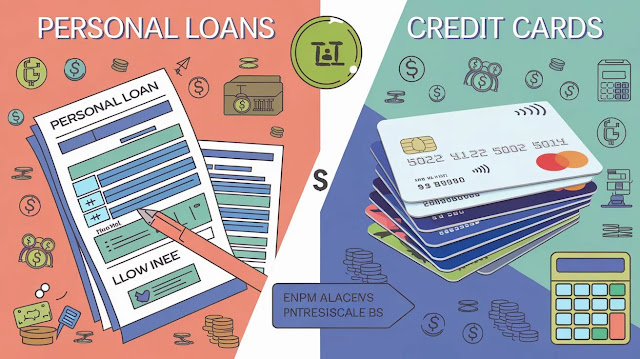
  • Personal Loans vs. Credit Cards: Which is Better?

    Personal Loans vs. Credit Cards: Which is Better?

     Personal Loans vs. Credit Cards: Which is Better?

    When it comes to managing finances or funding large purchases, individuals often face a choice between personal loans and credit cards. Both of these financial tools offer distinct advantages and disadvantages, and selecting the right option depends on various factors such as your financial situation, needs, and long-term goals. In this comprehensive article, we will explore the differences between personal loans and credit cards, their pros and cons, and key considerations to help you decide which option may be best for you.

    Understanding Personal Loans

    A personal loan is a fixed amount of money borrowed from a bank, credit union, or online lender, which is repaid over a set period of time with interest. These loans are typically unsecured, meaning they do not require collateral. However, the interest rates and terms depend on your creditworthiness and financial history.

    How Personal Loans Work

    Personal loans are usually disbursed as a lump sum, with fixed monthly payments over a set period. The repayment term can range from a few months to several years, and the interest rate may be fixed or variable. Once you receive the loan, you are obligated to repay it according to the loan agreement.

    Key Features of Personal Loans:

    • Fixed repayment term: Personal loans have set repayment periods, meaning you’ll know exactly when your loan will be paid off.
    • Fixed interest rate: Most personal loans come with fixed interest rates, so your monthly payment stays the same throughout the term.
    • Larger borrowing amounts: Personal loans typically allow you to borrow more money than credit cards, making them suitable for large expenses like home renovations or debt consolidation.
    • Interest on full amount: Interest is charged on the full loan amount, even if you don’t use it all at once.
    • No revolving credit: Once you’ve repaid your loan, you have to reapply for a new one if you need additional funds.

    Understanding Credit Cards

    A credit card is a revolving line of credit that allows you to borrow money up to a certain limit, repay it, and borrow again as needed. Credit cards can be a convenient way to manage everyday expenses, build credit, and earn rewards, but they also come with higher interest rates and the potential for debt if not managed responsibly.

    How Credit Cards Work

    Credit cards offer a credit limit, which is the maximum amount of money you can borrow. Unlike personal loans, you can borrow and repay funds continuously as long as you don’t exceed your credit limit. Each month, you are required to make at least a minimum payment, but any balance that remains unpaid will accrue interest.

    Key Features of Credit Cards:

    • Revolving credit: Credit cards offer ongoing access to credit, allowing you to borrow and repay money as needed, up to your limit.
    • Higher interest rates: Credit card interest rates tend to be higher than those for personal loans, particularly if you carry a balance from month to month.
    • Interest-free period: Most credit cards offer an interest-free grace period, usually between 21 and 25 days, if you pay your balance in full by the due date.
    • Rewards and benefits: Many credit cards offer rewards programs, cashback, travel perks, or points that can be redeemed for goods and services.
    • Potential for debt accumulation: If not managed responsibly, credit card balances can grow quickly due to high-interest rates, leading to long-term debt.

    Pros and Cons of Personal Loans

    Personal loans can be an excellent tool for specific financial needs, but they come with their own set of advantages and disadvantages.

    Pros of Personal Loans:

    1. Lower Interest Rates: Personal loans usually come with lower interest rates compared to credit cards, especially for those with good credit. This can make them a more affordable option for large expenses or consolidating high-interest debt.
    2. Fixed Payments: With a personal loan, your monthly payments remain consistent over the life of the loan. This makes it easier to budget and plan for the future.
    3. Structured Repayment: Personal loans have a fixed repayment period, meaning you’ll know exactly when your debt will be paid off, providing a sense of closure and financial stability.
    4. Higher Borrowing Limits: Personal loans typically allow for larger loan amounts, which can be beneficial for significant financial needs, such as home renovations, medical bills, or debt consolidation.
    5. Debt Consolidation: Personal loans can be used to consolidate high-interest credit card debt into a single loan with a lower interest rate, helping you save money and simplify your payments.

    Cons of Personal Loans:

    1. Interest on Full Amount: Interest is charged on the entire loan amount, even if you don’t use it all at once, which can be less flexible than a credit card.
    2. No Ongoing Access to Credit: Once you’ve repaid your personal loan, you’ll need to apply for a new one if you need additional funds, unlike credit cards, which offer revolving credit.
    3. Potential Fees: Personal loans may come with origination fees, prepayment penalties, or late payment fees, adding to the overall cost of borrowing.
    4. Credit Requirements: Qualifying for a personal loan with a low interest rate often requires a good credit score, which may not be accessible to everyone.
    5. Risk of Over-borrowing: Since personal loans offer larger amounts, there is a risk of borrowing more than you need or can comfortably repay, leading to financial strain.

    Pros and Cons of Credit Cards

    Credit cards offer flexibility and convenience, but they also come with risks if not used carefully. Here are the main pros and cons of using credit cards.

    Pros of Credit Cards:

    1. Flexibility: Credit cards provide flexible access to credit, allowing you to borrow as much or as little as you need, up to your credit limit.
    2. Rewards and Perks: Many credit cards offer rewards programs, including cashback, travel rewards, and points, which can provide value if used responsibly.
    3. Interest-Free Period: If you pay off your balance in full each month, you can avoid paying interest altogether, making credit cards a cost-effective option for short-term borrowing.
    4. Building Credit: Responsible use of a credit card can help you build and improve your credit score, which can benefit you in securing loans, mortgages, and better interest rates in the future.
    5. Ongoing Credit Access: Unlike personal loans, credit cards offer ongoing access to credit as long as you stay within your limit, providing a convenient safety net for emergencies.

    Cons of Credit Cards:

    1. High Interest Rates: Credit card interest rates are typically higher than those for personal loans, especially if you carry a balance from month to month. This can lead to significant interest charges over time.
    2. Risk of Debt Accumulation: The revolving nature of credit cards makes it easy to accumulate debt, particularly if you only make minimum payments or spend more than you can afford to repay.
    3. Variable Interest Rates: Some credit cards have variable interest rates, meaning your rate could increase, making your debt more expensive.
    4. Fees: Credit cards may come with annual fees, balance transfer fees, late payment fees, or foreign transaction fees, adding to the overall cost of borrowing.
    5. Credit Score Impact: Missed payments or carrying high balances on your credit cards can negatively impact your credit score, making it more difficult to qualify for loans or lower interest rates in the future.

    Key Considerations When Choosing Between Personal Loans and Credit Cards

    When deciding between a personal loan and a credit card, it’s essential to consider your financial situation, goals, and borrowing needs. Here are some critical factors to keep in mind:

    1. Purpose of the Loan: If you need a large sum of money for a specific purpose, such as consolidating debt or funding a major purchase, a personal loan may be the better option due to its structured repayment plan and lower interest rates. On the other hand, if you need flexible, short-term borrowing for smaller expenses, a credit card may be more suitable.
    2. Interest Rates: Compare the interest rates for both options. If you can qualify for a low-interest personal loan, it may be more affordable than carrying a balance on a high-interest credit card.
    3. Repayment Terms: Consider your ability to repay the debt. Personal loans offer a fixed repayment term, which can provide clarity and structure, while credit cards offer more flexibility but can lead to long-term debt if not managed responsibly.
    4. Credit Score: Your credit score plays a significant role in determining which option is available to you. A higher credit score can help you secure a lower interest rate on a personal loan or a credit card with better terms and rewards.
    5. Fees and Penalties: Be aware of any fees associated with both personal loans and credit cards, such as origination fees, annual fees, or late payment penalties. These can add to the overall cost of borrowing.
    6. Debt Management: If you’re using credit to consolidate debt, a personal loan may be a better choice, as it allows you to combine multiple high-interest debts into one lower-interest loan. However, if you have a solid plan to pay off your debt quickly, a balance transfer credit card with a 0% introductory APR may also be an option.
    7. Rewards and Benefits: If you’re someone who pays off your credit card balance in full each month, you may want to take advantage of the rewards and perks offered by credit cards. However, if you tend to carry a balance, the interest charges can quickly outweigh any benefits.

    When to Choose a Personal Loan

    • You need to borrow a large sum of money for a specific purpose, such as consolidating debt, paying for a wedding, or financing a home renovation.
    • You prefer fixed monthly payments and a clear repayment schedule.
    • You have good credit and can qualify for a low-interest rate.
    • You want to avoid the temptation of revolving credit and prefer a one-time loan with a set repayment term.

    When to Choose a Credit Card

    • You need flexible, short-term borrowing for smaller expenses or everyday purchases.
    • You plan to pay off your balance in full each month to avoid interest charges.
    • You want to take advantage of rewards programs, cashback, or travel perks.
    • You’re looking for ongoing access to credit in case of emergencies or unexpected expenses.

    Both personal loans and credit cards can be valuable financial tools when used responsibly, but the best option for you depends on your specific needs, financial situation, and borrowing habits. Personal loans offer the advantage of lower interest rates, structured repayment, and higher borrowing limits, making them ideal for large expenses or debt consolidation. On the other hand, credit cards provide flexibility, rewards, and the ability to borrow and repay as needed, but they come with higher interest rates and the risk of debt accumulation.

    By carefully considering the purpose of your borrowing, your ability to repay, and the associated costs, you can make an informed decision that aligns with your financial goals and helps you manage your debt effectively. Whether you choose a personal loan or a credit card, the key is to use credit wisely and ensure that your borrowing aligns with your long-term financial well-being.

  • Common Credit Mistakes and How to Avoid Them

     Common Credit Mistakes and How to Avoid Them

    In today’s financial world, credit plays a vital role in shaping personal and business finance. Whether it’s securing a mortgage, financing a car, or applying for a credit card, your credit score is the gateway to access and affordability. A healthy credit score can save you thousands of dollars in interest and improve your chances of financial stability. However, many individuals fall into common credit pitfalls that can lead to significant long-term consequences. This article will explore these common credit mistakes, their impact, and practical strategies to avoid them.

    Common Credit Mistakes and How to Avoid Them

    1. Not Understanding How Credit Works

    A fundamental mistake many people make is not fully understanding how credit works. Credit scores, interest rates, and credit reports are essential aspects of personal finance that require a solid grasp. Without understanding the basics, people often misuse credit, leading to financial problems.

    Avoidance Tips:

    • Educate Yourself: Take time to understand credit scores, how they are calculated, and what factors influence them.
    • Consult Professionals: If you’re unsure, seek guidance from financial advisors or credit counselors to gain better insight.

    2. Missing Payments

    One of the most significant factors affecting your credit score is your payment history. Missing even a single payment can result in a substantial drop in your score and lead to late fees or increased interest rates.

    Avoidance Tips:

    • Set Up Automatic Payments: Automate payments for recurring bills such as credit cards, utilities, and loans to ensure you never miss a due date.
    • Create Reminders: Use apps or calendar notifications to remind you of upcoming payment deadlines.

    3. Maxing Out Credit Cards

    Maxing out your credit cards can harm your credit score significantly. The amount of credit you’re using compared to your credit limit is known as your credit utilization ratio. A high utilization ratio indicates risk and can lower your credit score.

    Avoidance Tips:

    • Keep Utilization Low: Aim to use no more than 30% of your total credit limit at any given time.
    • Pay Off Balances Early: If possible, make payments before your statement is issued to reduce the reported balance and lower your credit utilization ratio.

    4. Applying for Too Many Credit Accounts at Once

    Each time you apply for new credit, a hard inquiry is added to your credit report, which can slightly lower your score. Applying for multiple credit accounts in a short period can signal to lenders that you’re desperate for credit, increasing your risk profile.

    Avoidance Tips:

    • Be Selective: Only apply for credit when absolutely necessary. Avoid frequent applications within short timeframes.
    • Check Pre-Approval Offers: Use pre-approval offers, which don’t impact your credit score, to see if you’re likely to be accepted before applying for a new credit card or loan.

    5. Ignoring Your Credit Report

    Many people neglect to check their credit reports regularly, missing potential errors or fraudulent activity that could be dragging down their score. Errors such as incorrect balances, unauthorized accounts, or late payments reported by mistake are not uncommon.

    Avoidance Tips:

    • Check Regularly: You’re entitled to a free credit report annually from the three major credit bureaus: Experian, Equifax, and TransUnion. Review these reports for any inaccuracies.
    • Dispute Errors Promptly: If you spot an error, dispute it with the credit bureau to have it corrected. The sooner you address the issue, the quicker it will reflect positively on your report.

    6. Carrying High Balances

    Carrying high balances month to month can be detrimental to both your credit score and financial health. It not only increases your debt load but also raises your credit utilization ratio, which could negatively affect your score.

    Avoidance Tips:

    • Pay More Than the Minimum: Always aim to pay off as much as possible each month to reduce your outstanding balance faster.
    • Focus on High-Interest Debt First: Prioritize paying off high-interest credit card debt to minimize the amount of interest you’re paying and reduce your balances quicker.

    7. Closing Old Credit Accounts

    Many people think that closing a credit card account they no longer use will improve their credit score. In fact, closing an old account can shorten your credit history and increase your credit utilization ratio, both of which can negatively affect your score.

    Avoidance Tips:

    • Keep Accounts Open: Even if you’re not using an old credit card, keep it open to maintain a longer credit history and lower your utilization ratio.
    • Use Occasionally: Make occasional small purchases on old cards to keep the account active, and pay them off in full each month.

    8. Co-Signing Loans Without Considering the Risks

    Co-signing a loan for someone else may seem like a kind gesture, but it can have serious consequences. If the borrower defaults or misses payments, the responsibility falls on you, which can negatively impact your credit score.

    Avoidance Tips:

    • Understand the Risks: Only co-sign a loan if you are willing and financially able to take on the debt if necessary.
    • Monitor the Account: Keep track of the payments to ensure they are being made on time and in full. You may want to set up notifications or ask the primary borrower to keep you informed.

    9. Ignoring Interest Rates

    Many people focus solely on monthly payments and neglect to pay attention to the interest rates on their credit accounts. High interest rates can quickly inflate your debt, especially if you’re only making the minimum payment each month.

    Avoidance Tips:

    • Shop for Low Rates: Compare credit card and loan offers to find the ones with the lowest interest rates, particularly for long-term borrowing.
    • Negotiate with Lenders: If you have a good payment history, consider calling your lender to negotiate a lower interest rate.

    10. Relying Too Much on Credit

    Some individuals rely too heavily on credit to fund their lifestyles, leading to chronic debt. Using credit for unnecessary purchases or daily expenses can quickly spiral out of control, resulting in a never-ending cycle of debt repayment.

    Avoidance Tips:

    • Create a Budget: Establish a budget that prioritizes saving and responsible spending, and use credit only when necessary or beneficial.
    • Use Cash or Debit More Often: Limit the use of credit cards for everyday purchases and rely more on cash or debit to keep your spending in check.

    11. Not Building Credit Early Enough

    Many people make the mistake of not building their credit until they actually need it, such as when applying for a mortgage or car loan. However, a lack of credit history can make it difficult to qualify for credit when you need it most.

    Avoidance Tips:

    • Start Early: Build your credit by opening a credit card or taking out a small loan early on and making timely payments.
    • Use Secured Credit Cards: If you’re just starting out, consider using a secured credit card to build a credit history while minimizing the risk of overspending.

    12. Overlooking the Importance of Diversifying Credit

    Your credit mix, or the variety of credit types you use, is another factor that influences your credit score. Relying solely on one type of credit, such as credit cards, without using other types like installment loans, can limit your credit profile.

    Avoidance Tips:

    • Mix It Up: Consider using different types of credit, such as installment loans (e.g., auto loans, student loans) and revolving credit (e.g., credit cards), to show lenders you can manage various forms of debt responsibly.

    13. Making Only Minimum Payments

    While making minimum payments on your credit card will keep you in good standing, it’s far from ideal. Minimum payments are designed to prolong the debt repayment process, maximizing the amount of interest you pay over time.

    Avoidance Tips:

    • Pay More Each Month: Always try to pay more than the minimum to reduce your balance faster and save on interest.
    • Target Debt-Free Living: Set a goal to pay off credit card balances in full each month to avoid carrying debt altogether.

    14. Failing to Create an Emergency Fund

    One of the main reasons people turn to credit is to cover emergencies, such as unexpected car repairs or medical bills. Without an emergency fund, you may have no choice but to rely on credit, which can lead to high-interest debt.

    Avoidance Tips:

    • Build a Safety Net: Set aside money each month for an emergency fund. Aim to save at least three to six months’ worth of expenses to cover unforeseen events without relying on credit.

    15. Underestimating the Impact of Hard Inquiries

    Each time a lender checks your credit report as part of a loan or credit card application, it results in a hard inquiry. Too many hard inquiries in a short period can signal to lenders that you’re taking on too much debt or are in financial trouble.

    Avoidance Tips:

    • Limit Applications: Only apply for new credit when necessary, and avoid applying for multiple credit accounts in a short period of time.
    • Monitor Your Inquiries: Keep track of how many hard inquiries have been made on your credit report, and try to space out applications.

    Building and maintaining a good credit score is essential for achieving financial stability and freedom. By understanding common credit mistakes and implementing the strategies mentioned above, you can safeguard your financial health and improve your chances of securing favorable terms on loans, credit cards, and other financial products. From making timely payments to monitoring your credit report regularly, small actions can have a significant impact on your long-term financial well-being. Avoid the traps of high balances, frequent applications, and neglecting your credit, and you’ll be well on your way to achieving strong financial security.

  • Why You Should Move to These Affordable Suburbs

     Why You Should Move to These Affordable Suburbs

    In recent years, the rising cost of living in urban centers has prompted many individuals and families to look for alternatives to city life. The suburbs, traditionally seen as quieter, more family-oriented locales, have become increasingly popular for a range of demographics—from young professionals to retirees. Affordable suburbs offer the perfect blend of city convenience and rural tranquility, often with more space, better schools, and a stronger sense of community. This article explores why you should consider moving to affordable suburbs, the benefits they offer, and highlights some of the best suburbs that combine affordability with an excellent quality of life.

    Why You Should Move to These Affordable Suburbs

    The Rising Cost of Urban Living

    The allure of city living is undeniable. The vibrancy, diversity, and opportunities found in metropolitan areas like New York, London, and Tokyo draw millions of people. However, the skyrocketing cost of housing, utilities, and general expenses in these urban centers has become a serious deterrent for many. The rise in rent, property taxes, and other associated costs of urban living has created financial stress for both homeowners and renters alike.

    In cities like San Francisco or Toronto, home prices can be prohibitively high for first-time buyers. Rental costs have also spiked, leaving individuals to spend a significant portion of their income on housing alone. According to data from various housing reports, major cities have seen consistent annual increases in property prices, making it increasingly difficult for the average family to maintain a comfortable standard of living. These financial pressures have pushed many to reconsider the dream of urban living.

    Why Consider Suburbs?

    The suburbs offer a practical solution to the high cost of living in urban centers. Contrary to the common belief that suburbs are sleepy, isolated communities, today’s suburbs are dynamic and offer much of what city dwellers seek—at a fraction of the price. Here’s why moving to affordable suburbs could be the best decision for your lifestyle and financial future:

    1. Affordable Housing

    One of the most compelling reasons to move to a suburb is the lower cost of housing. Whether you’re buying or renting, you’ll likely find that suburban homes offer more value for money than their urban counterparts. In many suburban areas, you can purchase a spacious home with a yard for the same price—or even less—than a cramped apartment in the city.

    In addition to lower prices, the suburban real estate market tends to be more stable and less prone to the dramatic price fluctuations often seen in cities. This makes suburban homes a sounder long-term investment.

    2. More Space and Privacy

    One of the most tangible benefits of suburban living is the increased space. In contrast to the dense, often claustrophobic housing setups in cities, suburban homes tend to come with larger plots of land. Yards, gardens, and garages are the norm rather than the exception, offering a level of comfort and privacy that is rarely achievable in city apartments.

    For families, more space means room for children to play, larger living areas, and the potential for home offices, gyms, or extra bedrooms. This extra space is especially appealing in the wake of the COVID-19 pandemic, which has seen a shift toward remote working and the need for more home-based activities.

    3. Community and Quality of Life

    Suburban life often fosters a strong sense of community, which can be lacking in large, impersonal cities. In the suburbs, people tend to know their neighbors, and many communities have regular social events and activities that foster connection. For families, this environment can be ideal for raising children in a safe and nurturing space.

    Additionally, suburbs are often located near parks, nature reserves, and recreational facilities, which contribute to an improved quality of life. Healthier lifestyles—due to access to outdoor activities and lower stress levels associated with quieter living—are one of the key attractions of suburban living.

    4. Better Schools

    For families with children, the quality of education is a top priority, and many suburban areas are known for their excellent public and private schools. Suburban school districts often outperform urban ones in terms of student achievement, graduation rates, and college readiness. This is partly due to better funding, smaller class sizes, and a focus on community involvement.

    Investing in a home in a suburb with a top-tier school system can pay off in the long run, not just in terms of your child’s education but also in terms of property value. Homes in good school districts tend to appreciate at a faster rate than those in less desirable areas.

    5. Lower Crime Rates

    Another advantage of moving to the suburbs is the generally lower crime rates compared to urban centers. While no place is entirely free from crime, suburban neighborhoods are often seen as safer, quieter alternatives to city living. This is a major consideration for families, retirees, and anyone who values personal safety and security.

    Lower crime rates also mean less stress and anxiety for residents, contributing to an overall higher quality of life. Additionally, neighborhoods with low crime rates tend to have a stronger sense of community, where neighbors look out for one another.

    6. Proximity to Urban Amenities

    One common misconception is that living in the suburbs means giving up access to city conveniences like dining, shopping, and entertainment. However, many affordable suburbs are located within a short drive or train ride of major cities, providing easy access to everything the city has to offer without the associated high costs of living.

    Many suburban areas also have their own bustling town centers, featuring local restaurants, boutiques, and cultural attractions, ensuring that residents don’t miss out on entertainment and leisure activities.

    7. Environmental Benefits

    Surprisingly, moving to the suburbs can also have environmental benefits. While cities are often touted for their walkability and public transportation systems, many urban dwellers still rely heavily on cars. In contrast, suburban areas can offer better air quality, less congestion, and more green space, leading to a healthier environment overall.

    Additionally, newer suburban developments are increasingly being designed with sustainability in mind, incorporating energy-efficient homes, solar power, and community green initiatives.

    Affordable Suburbs Worth Considering

    Now that we’ve explored the benefits of suburban living, let’s take a look at some specific suburbs that offer affordability, convenience, and a high quality of life. These suburbs are ideal for individuals and families looking to make the most of their budgets without sacrificing their lifestyles.

    1. Raleigh Suburbs, North Carolina

    Raleigh and its surrounding suburbs, such as Cary and Apex, offer an appealing blend of affordable housing, excellent schools, and job opportunities in industries like technology and healthcare. With a mild climate and numerous parks, this region is perfect for outdoor enthusiasts. Housing costs in these areas are lower than in many other metropolitan regions, making them ideal for first-time homebuyers.

    2. Mesa, Arizona

    Located near Phoenix, Mesa is a growing suburb with a relatively low cost of living compared to nearby urban centers. With a strong job market, excellent schools, and a thriving arts scene, Mesa is attractive to both young professionals and families. The warm climate and proximity to outdoor activities, such as hiking and biking trails, add to its appeal.

    3. Garland, Texas

    Situated just outside of Dallas, Garland offers the perfect blend of urban proximity and suburban comfort. With affordable housing, excellent schools, and a strong sense of community, Garland has become a popular destination for families and young professionals. Additionally, Texas’ lack of state income tax makes it an even more attractive option for those looking to save on living expenses.

    4. Aurora, Colorado

    Aurora, a suburb of Denver, is another excellent option for affordable suburban living. With access to the great outdoors, a growing job market, and affordable housing, Aurora attracts both nature lovers and professionals seeking a balanced lifestyle. The suburb also boasts excellent healthcare facilities, parks, and recreational activities.

    5. Plainfield, Illinois

    Located just outside of Chicago, Plainfield is known for its excellent schools, affordable homes, and family-friendly atmosphere. With plenty of parks, recreational activities, and a strong sense of community, Plainfield offers a high quality of life at a fraction of the cost of living in downtown Chicago.

    6. Palm Bay, Florida

    For those who love warm weather and proximity to the beach, Palm Bay is an affordable gem. Located on Florida’s east coast, Palm Bay offers a lower cost of living compared to cities like Miami or Orlando, while still providing access to beautiful beaches, outdoor activities, and a growing job market.

    Moving to an affordable suburb offers a myriad of benefits, from lower housing costs and improved quality of life to better schools and stronger community ties. As urban living becomes increasingly expensive, the appeal of the suburbs continues to grow. Whether you’re looking for more space, a safer environment, or simply a better financial situation, the suburbs provide a compelling alternative.

    When considering a move, it’s essential to weigh the benefits of suburban life against your personal and professional needs. The suburbs mentioned above are just a few examples of the many affordable, vibrant communities that offer the perfect mix of comfort, convenience, and opportunity. With a bit of research and planning, you can find a suburban area that meets your needs and helps you achieve the lifestyle you desire—without breaking the bank.

  • How to Qualify for a First-Time Home Buyer Mortgage: A Comprehensive Guide

     How to Qualify for a First-Time Home Buyer Mortgage:

     A Comprehensive Guide

    Buying a home for the first time is a monumental milestone in anyone’s life. It represents a significant achievement of personal and financial stability. However, purchasing a home can also be an intimidating process, particularly when it comes to securing a mortgage. First-time buyers often have many questions and concerns about whether they qualify for a mortgage, how much they can borrow, and how to navigate the intricacies of the lending process. This comprehensive guide will explore the key steps and requirements to help first-time homebuyers successfully qualify for a mortgage.

    How to Qualify for a First-Time Home Buyer Mortgage: A Comprehensive Guide

    1.To First-Time Home Buyer Mortgages

    Purchasing your first home is a thrilling experience, but it comes with the responsibility of securing financing. A mortgage is a loan that enables you to buy property and pay off the amount over time, typically in monthly installments. For first-time buyers, understanding how to qualify for a mortgage is crucial as it directly impacts the type of loan they can obtain, the amount they can borrow, and the interest rates they will pay.

    Mortgage lenders look for several financial and personal factors when determining whether an individual qualifies for a loan. First-time home buyers need to ensure they have a solid financial foundation and are prepared for the financial commitment involved in homeownership. Let’s explore the critical steps to qualify for a mortgage.

    2. Key Steps to Qualifying for a Mortgage

    Step 1: Assessing Financial Readiness

    Before applying for a mortgage, it’s essential to evaluate your financial readiness. This means looking at your overall financial health, including your income, expenses, and savings. Lenders want to know if you have a stable income source that will allow you to pay off the mortgage. Start by creating a budget to track your monthly income and expenses. This can help you understand how much you can comfortably afford for a monthly mortgage payment, while also accounting for other essential costs such as property taxes, insurance, and maintenance.

    Additionally, make sure you have enough savings to cover upfront costs, such as the down payment and closing costs. It’s also important to have an emergency fund to cover unexpected home repairs or financial setbacks.

    Step 2: Understanding Your Credit Score

    Your credit score is one of the most significant factors in determining your eligibility for a mortgage. A higher credit score typically leads to better loan terms, such as lower interest rates, while a lower score can limit your options or increase your borrowing costs. Credit scores range from 300 to 850, and a score of 620 or higher is generally considered the minimum for most conventional loans. However, there are specific loan programs, such as FHA loans, that may accept lower scores.

    To improve your credit score:

    • Pay your bills on time
    • Keep credit card balances low
    • Avoid opening new credit accounts before applying for a mortgage
    • Correct any errors on your credit report

    It’s a good idea to check your credit score several months before you begin the home-buying process, giving you time to improve it if necessary.

    Step 3: Saving for a Down Payment

    The down payment is the amount of money you pay upfront toward the cost of the home. Most mortgage lenders require a down payment, and the size of your down payment can influence the type of loan you qualify for and the interest rate you receive. For example, conventional loans often require a down payment of at least 5-20% of the home’s purchase price, while some government-backed loans, like FHA loans, allow for a down payment as low as 3.5%.

    Saving for a down payment takes time, and it’s important to start early. Consider setting up a dedicated savings account for your down payment and contributing regularly.

    Step 4: Getting Pre-Approved for a Mortgage

    Before you start house hunting, it’s a good idea to get pre-approved for a mortgage. Pre-approval means that a lender has reviewed your financial situation and is willing to offer you a loan up to a certain amount. Pre-approval not only gives you a clear idea of your budget but also shows sellers that you’re a serious buyer.

    To get pre-approved, you’ll need to provide the lender with documentation, including:

    • Proof of income (pay stubs, tax returns)
    • Proof of assets (bank statements, investment accounts)
    • Employment verification
    • Credit history

    Getting pre-approved does not guarantee a mortgage, but it significantly strengthens your position when you make an offer on a home.

    Step 5: Exploring First-Time Home Buyer Programs

    There are several programs designed specifically to assist first-time homebuyers. These programs often offer lower interest rates, reduced down payment requirements, or other financial assistance. Some common first-time homebuyer programs include:

    • FHA Loans: Backed by the Federal Housing Administration, these loans have lower credit score requirements and down payment options.
    • VA Loans: Available to veterans, active-duty service members, and their families, VA loans offer no down payment and competitive interest rates.
    • USDA Loans: Designed for buyers in rural areas, USDA loans offer low-interest rates and no down payment.
    • State and Local Programs: Many states and municipalities offer grants, loans, or tax incentives for first-time buyers.

    3. Types of Mortgages for First-Time Buyers

    Understanding the different types of mortgages available to first-time buyers is essential when choosing the best loan for your situation. Each loan type has its advantages and requirements.

    Fixed-Rate Mortgages

    Fixed-rate mortgages offer a consistent interest rate and monthly payment over the life of the loan, typically for terms of 15 or 30 years. This predictability makes fixed-rate loans a popular option for first-time buyers.

    Adjustable-Rate Mortgages (ARMs)

    ARMs have interest rates that adjust periodically based on market conditions. While ARMs usually start with a lower interest rate than fixed-rate mortgages, the rate can increase over time, making monthly payments less predictable. ARMs may be a good option for buyers who plan to sell their home or refinance before the interest rate adjusts.

    FHA Loans

    FHA loans are popular among first-time buyers because they require a lower down payment and have more flexible credit score requirements. These government-backed loans are designed to make homeownership more accessible.

    VA Loans

    VA loans are available to military personnel, veterans, and their families. These loans require no down payment and offer competitive interest rates, making them an excellent option for those who qualify.

    USDA Loans

    USDA loans are designed for buyers in rural areas and offer no down payment and low-interest rates. Eligibility is based on income and the location of the home.

    4. Debt-to-Income Ratio: An Essential Factor

    One of the key factors lenders evaluate when determining whether you qualify for a mortgage is your debt-to-income (DTI) ratio. The DTI ratio compares your total monthly debt payments (including your mortgage) to your gross monthly income. Lenders typically prefer a DTI ratio of 43% or lower, although some loan programs may allow for higher ratios.

    To calculate your DTI ratio:

    1. Add up all of your monthly debt payments (car loans, student loans, credit card payments, etc.).
    2. Divide the total by your gross monthly income.
    3. Multiply the result by 100 to get your DTI percentage.

    A lower DTI ratio indicates that you have more income available to cover your mortgage payments, which improves your chances of qualifying for a loan.

    5. Other Factors That Lenders Consider

    In addition to your credit score and DTI ratio, lenders will also consider the following factors when determining your mortgage eligibility:

    • Employment history: Lenders typically prefer borrowers with stable employment and at least two years of steady income in the same field.
    • Savings and assets: Lenders want to see that you have enough savings to cover the down payment, closing costs, and a few months of mortgage payments in case of emergencies.
    • Property value: The value of the home you’re purchasing affects the loan amount. Lenders will conduct an appraisal to ensure the home is worth the amount you’re borrowing.

    6. The Role of a Co-Signer

    If you have a lower credit score or insufficient income, you may consider having a co-signer on your mortgage. A co-signer is someone (usually a close relative or friend) who agrees to take responsibility for the loan if you’re unable to make the payments. A co-signer with a higher credit score or stronger financial position can improve your chances of qualifying for a mortgage.

    However, it’s important to remember that both you and the co-signer are legally responsible for repaying the loan. If you miss a payment, it will affect both of your credit scores, so it’s essential to discuss the risks with your co-signer.

    7. Common Mistakes First-Time Buyers Should Avoid

    First-time homebuyers can make several common mistakes that could jeopardize their chances of qualifying for a mortgage or finding the right home. Here are some pitfalls to avoid:

    • Not checking your credit score early: Start checking your credit score months before applying for a mortgage to give yourself time to address any issues.
    • Taking on new debt before closing: Avoid opening new credit accounts or making large purchases on credit before your mortgage closes, as this can affect your DTI ratio and credit score.
    • Skipping pre-approval: Not getting pre-approved can make it harder to find a home within your budget and can cause delays in the buying process.
    • Ignoring additional costs: Remember to budget for closing costs, home insurance, property taxes, and maintenance, in addition to your mortgage payment.
    • Not shopping around for mortgage rates: Different lenders offer different rates, so it’s important to shop around to find the best deal.

    Qualifying for a first-time home buyer mortgage is a process that requires careful planning, financial preparation, and an understanding of the various mortgage options available. By assessing your financial readiness, understanding your credit score, saving for a down payment, and exploring first-time home buyer programs, you can increase your chances of securing a mortgage that fits your needs. Avoid common mistakes, seek professional guidance when necessary, and take the time to find the right loan and home for you. Homeownership is a rewarding experience, and with the right steps, you’ll be on your way to achieving this important life goal.

  • Top 5 Tips for a Successful Insurance Claim

    Top 5 Tips for a Successful Insurance Claim

    Filing an insurance claim can be a daunting and stressful process, especially when dealing with unexpected events such as accidents, natural disasters, or theft. Many policyholders find themselves overwhelmed by the complexities of their insurance policies and the intricacies of the claims process. However, with the right approach, you can significantly increase your chances of a successful outcome.

    This article outlines the top five tips for a successful insurance claim, offering valuable insights into how to navigate the process efficiently and effectively. Whether you’re dealing with a home, auto, health, or business insurance claim, these tips will help ensure that you receive the compensation you’re entitled to.

    Top 5 Tips for a Successful Insurance Claim

    By understanding your policy, documenting everything thoroughly, reporting your claim promptly, being honest and accurate, and knowing when to negotiate or seek professional help, you can avoid common pitfalls and maximize your chances of success. These practical tips are designed to empower you as a policyholder, helping you take control of the claims process and advocate for your rights.

    Tip 1: Understand Your Policy Inside and Out

    The first step toward a successful insurance claim is understanding your policy in detail. Too often, policyholders assume they know what their insurance covers, only to find out during the claims process that their expectations don’t match reality. To avoid unpleasant surprises, it’s crucial to read through your policy carefully and become familiar with its key terms, conditions, and exclusions.

    Start by reviewing the declarations page, which provides a summary of your coverage, including limits, deductibles, and covered perils. Pay special attention to any exclusions—specific situations or types of damage that the policy does not cover. Understanding these exclusions will help you assess whether your claim is valid before you file it.

    Additionally, make sure you know the coverage limits for your policy. For example, if you’re filing a home insurance claim after a natural disaster, your policy may have limits on how much it will pay for certain types of damage, like flooding or wind damage. Being aware of these limits can help you set realistic expectations for your payout.

    Don’t hesitate to reach out to your insurance agent if you have any questions about your policy. They can clarify the language and ensure that you fully understand what is and isn’t covered. The more informed you are about your policy, the better equipped you’ll be to file a successful claim.

    Tip 2: Document Everything Thoroughly

    Proper documentation is the foundation of a strong insurance claim. When an unexpected event occurs—whether it’s a car accident, home damage, or a health issue—your ability to provide thorough and accurate documentation can make or break your claim.

    Start by taking photographs and videos of the damage as soon as possible. Visual evidence is crucial in supporting your claim, as it provides the insurer with a clear view of the extent of the damage. For example, if your home has been damaged by a storm, take pictures of the affected areas, both inside and outside. Include close-ups of the damage, as well as wide shots that show the overall context.

    In addition to visual evidence, keep records of all related expenses. This includes receipts for repairs, medical bills, and any other costs you’ve incurred as a result of the incident. If you’re filing a health insurance claim, make sure to keep detailed records of doctor visits, treatments, and prescriptions.

    If there are any witnesses to the event, such as a car accident or property damage, ask them to provide written statements. Witness testimony can be valuable in supporting your version of events and strengthening your claim.

    Finally, document all communication with your insurance company. Keep a log of phone calls, emails, and letters, including the dates and names of the representatives you spoke with. This record will be useful if there are any disputes or delays in processing your claim.

    Tip 3: Report Your Claim Promptly

    Time is of the essence when it comes to filing an insurance claim. Most insurance policies require that you report a claim within a certain timeframe after the incident occurs. Failing to do so can result in your claim being denied, even if it’s otherwise valid.

    As soon as you’re safe and able, contact your insurance company to initiate the claims process. This is particularly important for claims related to auto accidents, property damage, or theft, where prompt reporting can prevent further complications.

    When you report your claim, the insurer will typically assign a claims adjuster to your case. The adjuster will assess the damage, determine the extent of your coverage, and make a recommendation for your payout. It’s important to be prepared for this process by having all your documentation ready.

    Be sure to follow the insurer’s instructions carefully when reporting your claim. Some companies allow you to file claims online, while others may require you to call a specific claims hotline. In either case, providing accurate and detailed information will help ensure that your claim is processed efficiently.

    Tip 4: Be Honest and Accurate in Your Claim

    Honesty is key when filing an insurance claim. While it may be tempting to exaggerate the extent of the damage or inflate your losses to receive a larger payout, doing so can have serious consequences. Providing false or misleading information on your claim can result in denial of coverage, cancellation of your policy, or even legal action for insurance fraud.

    When filling out your claim forms, provide accurate and truthful information. Describe the incident and the resulting damage as accurately as possible, without embellishment. If there are any uncertainties, it’s better to be upfront about them than to risk providing incorrect information.

    Keep in mind that insurance companies have sophisticated methods of verifying claims, including access to databases, records, and experts. If they discover discrepancies in your claim, it could lead to delays, disputes, or denial of coverage.

    Being honest and transparent throughout the claims process not only helps build credibility with the insurer but also ensures that your claim is handled fairly and efficiently. If you’re unsure about any aspect of your claim, consult with your insurance agent or a legal professional for guidance.

    Tip 5: Don’t Be Afraid to Negotiate or Seek Professional Help

    Many policyholders assume that the initial settlement offer from their insurance company is final, but that isn’t always the case. If you believe that the offer doesn’t fully cover your losses, you have the right to negotiate with the insurer. Negotiation is a normal part of the claims process, and insurers expect it.

    Start by reviewing the adjuster’s report and comparing it to your own documentation. If there are discrepancies or if you believe the assessment is too low, present your evidence and request a reconsideration. Be polite but firm in your negotiations, and be prepared to provide supporting documentation to back up your claim.

    If negotiations stall or if you feel that your claim is being unfairly denied, consider seeking professional help. Public adjusters and insurance attorneys specialize in representing policyholders and can help you navigate complex claims. A public adjuster works on your behalf to assess the damage and negotiate with the insurer, while an attorney can provide legal representation if your claim escalates to a lawsuit.

    Hiring a professional can be particularly beneficial for large or complicated claims, such as those involving significant property damage, business interruption, or long-term health issues. While there may be costs associated with hiring a public adjuster or attorney, their expertise can help ensure that you receive the full compensation you’re entitled to.

    In some cases, if your claim is denied or if the insurer is acting in bad faith, you may need to file a complaint with your state’s insurance department or pursue legal action. A professional can guide you through this process and help protect your rights as a policyholder.

    Filing a successful insurance claim requires preparation, diligence, and a clear understanding of your rights and responsibilities.

  • How to Get the Best Mortgage Rates in 2024


    How to Get the Best Mortgage Rates in 2024


    Buying a home is one of the most significant financial decisions you’ll make in your lifetime, and securing the best mortgage rate can save you thousands of dollars over the life of your loan. With the ever-changing landscape of the housing market, it’s crucial to stay informed about the factors that influence mortgage rates and the strategies you can use to obtain the most favorable terms. In this article, we’ll explore how you can secure the best mortgage rates in 2024 by understanding market trends, improving your financial profile, and choosing the right mortgage type.

    How to Get the Best Mortgage Rates in 2024


    1-Understanding Market Trends and Economic Factors


    To secure the best mortgage rate, it’s essential to
    understand the broader economic factors that influence rates. In 2024, several
    key trends are expected to impact mortgage rates:


    a. Inflation and Interest
    Rates:


    Inflation is one of the primary drivers of mortgage rates. When inflation
    rises, lenders typically increase mortgage rates to maintain their profit
    margins. In 2024, if inflation continues to trend upward, we could see a corresponding
    rise in mortgage rates. Conversely, if inflation remains stable or decreases,
    mortgage rates may stabilize or even drop.


    b. Federal Reserve Policies:


    The Federal Reserve plays a critical role in setting interest rates through its
    monetary policies. If the Fed decides to raise the federal funds rate to combat
    inflation or manage economic growth, mortgage rates are likely to increase as a
    result. Staying informed about the Fed’s policy decisions can help you time
    your mortgage application to secure the best rate.


    c. Housing Market Conditions:


    The supply and demand dynamics of the housing market also impact mortgage
    rates. In 2024, if there is a high demand for homes but limited inventory,
    mortgage rates may rise due to increased competition. On the other hand, if the
    housing market cools down, rates may decrease as lenders compete for fewer
    buyers.


    2-Improving Your
    Financial Profile


    Your financial health is one of the most significant
    factors lenders consider when determining your mortgage rate. By taking steps
    to improve your financial profile, you can position yourself as a low-risk
    borrower and secure a more favorable rate.


    a. Boosting Your Credit Score:


    Your credit score is a critical factor in determining your mortgage rate. In
    general, the higher your credit score, the lower the interest rate you’ll be
    offered. To improve your credit score, focus on paying down existing debts,
    making all payments on time, and avoiding new credit inquiries in the months
    leading up to your mortgage application. Aim for a score of 720 or higher to
    qualify for the best rates.


    b. Reducing Your
    Debt-to-Income Ratio (DTI):


    Lenders assess your debt-to-income ratio to determine your ability to manage
    monthly payments. A lower DTI indicates that you have a healthy balance between
    your debt obligations and income. To improve your DTI, consider paying off
    high-interest debt, increasing your income, or reducing your spending before
    applying for a mortgage.


    c. Saving for a Larger Down
    Payment:


    A larger down payment reduces the loan amount you need, which can result in a
    lower interest rate. Additionally, if you can afford to put down at least 20%
    of the home’s purchase price, you can avoid private mortgage insurance (PMI),
    further reducing your monthly payments.


    3-Exploring
    Different Mortgage Options


    Choosing the right type of mortgage is essential to
    securing the best rate. In 2024, you’ll have several options to consider, each
    with its pros and cons.


    a. Fixed-Rate Mortgages:


    A fixed-rate mortgage offers stability, with an interest rate that remains
    constant throughout the life of the loan. This option is ideal if you plan to
    stay in your home for an extended period and want to lock in a low rate for the
    long term. In 2024, fixed-rate mortgages may be advantageous if interest rates
    are expected to rise.


    b. Adjustable-Rate Mortgages
    (ARMs):


    An adjustable-rate mortgage typically starts with a lower interest rate than a
    fixed-rate mortgage, but the rate can change over time based on market
    conditions. ARMs can be a good choice if you plan to sell or refinance before
    the initial fixed-rate period ends. However, they carry the risk of higher
    payments if interest rates rise.


    c. Government-Backed Loans:


    FHA, VA, and USDA loans are government-backed mortgages that offer competitive
    rates and flexible qualification requirements. These loans are particularly
    beneficial for first-time homebuyers, veterans, or buyers in rural areas. In
    2024, government-backed loans may offer lower rates compared to conventional
    loans, especially for those with lower credit scores or smaller down payments.


    d. Short-Term vs. Long-Term
    Loans:


    The term length of your mortgage also affects your interest rate. Shorter-term
    loans, such as 15-year mortgages, generally offer lower rates than 30-year
    loans. However, the trade-off is higher monthly payments. If you can afford the
    higher payments, a shorter-term loan can save you money in interest over the
    life of the loan.


    4-Shopping Around for the Best Deal


    One of the most effective ways to secure the best
    mortgage rate is to shop around and compare offers from multiple lenders. Here
    are some strategies to ensure you get the best deal:


    a. Comparing Offers:


    Don’t settle for the first mortgage offer you receive. Instead, obtain quotes
    from at least three to five lenders, including banks, credit unions, and online
    lenders. Compare the interest rates, loan terms, and fees associated with each
    offer to determine the best overall value.


    b. Negotiating with Lenders:


    Many borrowers don’t realize that mortgage rates and fees are often negotiable.
    If you receive a better offer from one lender, use it as leverage to negotiate
    a lower rate or reduced fees with another. Even a small reduction in your
    interest rate can result in significant savings over the life of the loan.


    c. Utilizing Mortgage Brokers:


    A mortgage broker can help you navigate the complexities of the mortgage market
    and find the best deal for your situation. Brokers have access to a wide range
    of lenders and can often secure lower rates than you would find on your own.
    However, be sure to factor in any broker fees when comparing costs.


    5-Timing Your
    Mortgage Application


    The timing of your mortgage application can also
    impact the rate you receive. In 2024, consider the following tips to time your
    application strategically:


    a. Monitoring Rate Trends:


    Keep an eye on mortgage rate trends and economic indicators that could signal
    rate changes. If rates are trending upward, it may be wise to lock in a rate
    sooner rather than later. Conversely, if rates are expected to decrease, you
    might consider waiting to apply.


    b. Locking in Your Rate:


    Once you’ve found a favorable rate, consider locking it in to protect yourself
    from potential rate increases. Most lenders offer rate locks for 30 to 60 days,
    with the option to extend for a fee. Be sure to confirm the terms and
    conditions of your rate lock with your lender.


    c. Considering Seasonal
    Trends:


    Mortgage rates can fluctuate based on seasonal trends in the housing market.
    For example, rates may be lower during slower buying seasons, such as winter,
    when demand for homes typically decreases. Timing your application during these
    periods could result in a better rate.


    6-Preparing for Closing Costs and Other Fees


    In addition to securing a low interest rate, it’s
    important to consider the closing costs and fees associated with your mortgage.
    These costs can add up to several thousand dollars, so it’s crucial to budget
    accordingly.


    a. Understanding Closing
    Costs:


    Closing costs typically include fees for the loan origination, appraisal, title
    insurance, and other services. In 2024, these costs may range from 2% to 5% of
    the loan amount. To minimize these expenses, ask your lender for a detailed
    estimate and compare the costs across multiple lenders.


    b. Exploring No-Closing-Cost
    Options:


    Some lenders offer no-closing-cost mortgages, which roll the closing costs into
    the loan balance or interest rate. While this option can reduce your upfront
    expenses, it may result in a higher monthly payment or interest rate over time.
    Consider the long-term implications before opting for a no-closing-cost
    mortgage.


    c. Asking for Seller Concessions:


    In some cases, you can negotiate with the seller to cover some or all of your
    closing costs as part of the purchase agreement. This can be particularly
    effective in a buyer’s market, where sellers are more motivated to close the
    deal. Be sure to discuss this option with your real estate agent and lender.


    Securing the best mortgage rate in 2024 requires a
    combination of market awareness, financial preparation, and strategic
    decision-making. By understanding the factors that influence mortgage rates,
    improving your financial profile, and exploring different mortgage options, you
    can position yourself for success. Additionally, shopping around for the best
    deal, timing your application wisely, and preparing for closing costs can
    further enhance your ability to secure a favorable rate. With careful planning
    and persistence, you can achieve your goal of homeownership with a mortgage
    that fits your financial needs.

  • Unlocking the Secrets of the Best Insurance Plans: What You Need to Know

    Unlocking the Secrets of the Best Insurance Plans: What You Need to Know

    Insurance is a crucial aspect of financial planning that provides protection and peace of mind in various aspects of life. However, navigating the complex world of insurance can be overwhelming, with numerous types of coverage and providers to choose from. This article aims to demystify the process of selecting the best insurance plans by exploring key factors to consider, common types of insurance, and strategies for maximizing your coverage while minimizing costs.

    Understanding the Basics of Insurance

    Before delving into the specifics of various insurance plans, it’s essential to grasp the fundamental concepts that underpin all insurance policies:

    1. Risk pooling: Insurance companies collect premiums from many policyholders to create a pool of funds used to pay claims.
    2. Premiums: The regular payments made by policyholders to maintain their coverage.
    3. Deductibles: The amount the policyholder must pay out-of-pocket before the insurance coverage kicks in.
    4. Coverage limits: The maximum amount an insurance company will pay for a covered loss.
    5. Exclusions: Specific circumstances or events that are not covered by the insurance policy.

    Types of Insurance Coverage

    There are numerous types of insurance available, each designed to protect against specific risks. Here are some of the most common and essential types of coverage:

    1-Health Insurance
    Health insurance is arguably one of the most critical types of coverage, providing financial protection against medical expenses. When selecting a health insurance plan, consider:

    • Network coverage: Ensure your preferred healthcare providers are in-network.
    • Prescription drug coverage: Check if your medications are covered and at what cost.
    • Preventive care: Look for plans that offer comprehensive preventive services at little or no cost.
    • Out-of-pocket maximums: Consider your budget and potential healthcare needs.

    2-Life Insurance
    Life insurance provides financial protection for your loved ones in the event of your death. Key factors to consider include:

    • Term vs. whole life: Decide whether you need coverage for a specific period or lifelong protection.
    • Coverage amount: Calculate based on your family’s long-term financial needs.
    • Riders: Additional benefits that can be added to your policy, such as disability income or accelerated death benefits.

    3-Auto Insurance
    Auto insurance is mandatory in most states and protects you financially in case of accidents or vehicle damage. When choosing auto insurance, consider:

    • Liability coverage: Ensure you have adequate protection for both bodily injury and property damage.
    • Comprehensive and collision coverage: Determine if these additional protections are worth the cost based on your vehicle’s value.
    • Uninsured/underinsured motorist coverage: This protects you if you’re in an accident with a driver who lacks sufficient insurance.

    4-Homeowners/Renters Insurance
    These policies protect your dwelling and personal property. Key considerations include:

    • Replacement cost vs. actual cash value: Choose between full replacement coverage or depreciated value coverage for your belongings.
    • Additional living expenses: Ensure your policy covers temporary housing if your home becomes uninhabitable.
    • Liability protection: Consider the amount of coverage needed to protect your assets in case of lawsuits.

    5-Disability Insurance
    Disability insurance provides income replacement if you become unable to work due to illness or injury. Factors to consider include:

    • Short-term vs. long-term coverage: Determine how long you could manage financially without income.
    • Own-occupation vs. any-occupation coverage: Decide if you want coverage specific to your current profession or any job you could potentially perform.
    • Elimination period: The waiting period before benefits begin, which affects premium costs.

    Strategies for Choosing the Best Insurance Plans

    Now that we’ve covered the basics and types of insurance, let’s explore strategies for selecting the best plans:

    1. Assess Your Needs and Risks
      Begin by evaluating your personal circumstances, including your health, assets, dependents, and financial goals. This assessment will help you prioritize which types of coverage are most important for you.
    2. Compare Multiple Providers and Plans
      Don’t settle for the first option you come across. Research and compare plans from various insurance providers to find the best combination of coverage and cost.
    3. Understand the Fine Print
      Carefully read policy documents, paying close attention to coverage limits, exclusions, and conditions. If anything is unclear, don’t hesitate to ask your insurance agent or company representative for clarification.
    4. Consider Bundling Policies
      Many insurance companies offer discounts for bundling multiple types of coverage (e.g., auto and home insurance). This can lead to significant savings while simplifying your insurance management.
    5. Review and Update Regularly
      Your insurance needs may change over time due to life events such as marriage, having children, or buying a home. Review your coverage annually and after major life changes to ensure you remain adequately protected.

    Maximizing Coverage While Minimizing Costs

    While comprehensive coverage is important, it’s also crucial to balance protection with affordability. Here are some tips for optimizing your insurance costs:

    1. Increase Deductibles
      Opting for higher deductibles can lower your premiums. However, ensure you have enough savings to cover the higher out-of-pocket costs if you need to file a claim.
    2. Maintain a Good Credit Score
      Many insurance companies use credit-based insurance scores to determine premiums. Maintaining a good credit score can lead to lower insurance costs.
    3. Take Advantage of Discounts
      Inquire about available discounts, such as safe driver discounts for auto insurance or security system discounts for homeowners insurance.
    4. Practice Risk Mitigation
      Taking steps to reduce your risk, such as installing smoke detectors or taking defensive driving courses, can lead to lower premiums.
    5. Consider Usage-Based Insurance
      Some auto insurance companies offer programs that base your premiums on your actual driving habits, potentially leading to savings for safe drivers.

    Selecting the best insurance plans requires careful consideration of your personal needs, thorough research, and a balanced approach to coverage and cost. By understanding the fundamentals of insurance, exploring various types of coverage, and implementing strategies to optimize your policies, you can create a comprehensive insurance portfolio that provides robust protection without breaking the bank.

    Remember that insurance is not a one-time decision but an ongoing process of evaluation and adjustment. Stay informed about changes in the insurance industry, reassess your needs periodically, and don’t hesitate to seek professional advice when needed. With the right approach, you can unlock the secrets of the best insurance plans and enjoy the peace of mind that comes with knowing you’re well-protected against life’s uncertainties.